Artificial intelligence is reshaping global mobility, transforming how governments process travelers, identify security threats, and manage migration flows. As countries digitize their borders, AI-powered systems now analyze traveler data, passports, biometrics, and risk indicators far faster than human officers ever could. This shift brings enormous opportunities—but also introduces new risks, especially in terms of fairness, privacy, and discrimination.
This article explores the technologies behind AI-driven immigration systems, the advantages they offer, and the ethical concerns surrounding potential algorithmic bias. It also examines real-world examples, major global trends, and what governments must do to ensure that digital borders remain both secure and equitable.
What Is AI-Powered Immigration Screening?
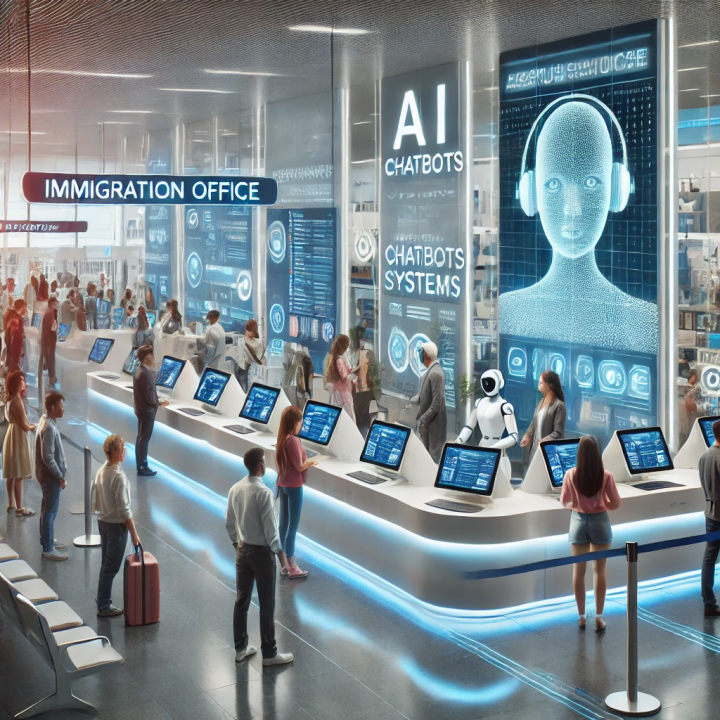
AI-powered immigration screening uses algorithms, machine learning, and biometric technologies to analyze traveler information and assess potential risks at border crossings. These systems work alongside human officers to speed up decision-making, detect fraud, and enhance national security.
Common Technologies Used
- Facial recognition for identity verification
- Machine learning models that assess travel patterns
- Natural language processing for document analysis
- Predictive analytics to flag high-risk individuals
- Automated passport gates that verify biometrics
According to the OECD, more than 60% of advanced economies already rely on AI tools in at least one aspect of their immigration or border management process.
How AI Improves Immigration Screening
AI introduces new efficiencies that help governments scale their operations without overwhelming border officers.
1. Faster Identity Verification
Facial recognition-driven e-gates allow travelers to pass through immigration in seconds. These systems compare a traveler’s face with their biometric passport data and verify identity instantly.
For example, airports like Singapore Changi and London Heathrow use AI to process millions of passengers without compromising security.
2. Reduced Human Error
AI detects inconsistencies in travel histories, documents, and biometric data with far greater accuracy than manual checks. It can spot forged passports, duplicate identities, and unusual travel patterns.
3. Real-Time Risk Assessment
Machine learning models evaluate risk indicators such as:
- Travel frequency
- Countries visited
- Payment methods
- Document inconsistencies
- Behavioral patterns at the airport
These systems help authorities allocate resources to high-risk cases while allowing low-risk travelers to pass quickly. For an extended breakdown of risk analysis models, you can read our advanced data screening guide.
4. Detecting Fraud and Identity Theft
AI analyzes large volumes of data to find fraudulent patterns that would be impossible for humans to catch in time. This is particularly important for detecting:
- Fake passports
- Stolen identities
- Synthetic identities
- Altered biometric data
Opportunities Created by AI in Immigration
1. Shorter Processing Times
AI-powered automation dramatically reduces queues at immigration checkpoints. Travelers enjoy faster clearance while officers focus on more complex cases.
2. Higher Security Standards
Advanced analytics help flag unusual travel patterns and identify individuals who may pose threats. This improves national security while maintaining smooth travel flows.
3. Improved Resource Allocation
Immigration authorities can use AI insights to allocate officers where they are needed most. This ensures efficiency during peak travel seasons.
4. Cost Savings
Automation reduces the need for manual labor, lowers processing costs, and improves operational capacity.
5. Data-Driven Decision Making
Governments can analyze migration trends more accurately, helping design better policies. For a deeper explanation of how migration data shapes policy, visit our policy resources center.
The Risks: Bias, Ethics, and Privacy
Despite the benefits, AI-driven immigration systems raise serious ethical concerns that policymakers must address.
1. Algorithmic Bias
AI models trained on biased data can unintentionally discriminate against certain nationalities, ethnic groups, or travel patterns. For example, if training data skews toward specific risk profiles, the system may unfairly flag innocent travelers.
This issue has been widely documented by institutions such as the Brookings Institution, which warns that unregulated AI models may reinforce systemic inequalities.
2. Privacy Concerns
AI systems collect vast amounts of personal data, including biometrics. Without strict safeguards, there is a risk of misuse, unauthorized access, or data leaks.
3. Lack of Transparency
Many AI models operate as “black boxes,” making it difficult for travelers—and even governments—to understand how decisions are made.
4. Overreliance on Technology
Blindly trusting automated systems may lead to wrongful denials, mistaken identity situations, or unfair profiling.
5. Data Misuse and Surveillance
Critics argue that aggressive adoption of AI may lead to excessive surveillance, tracking movement patterns far beyond immigration checkpoints.
Examples of AI in Immigration Around the World
United States
The U.S. uses facial recognition at more than 30 airports, matching millions of travelers annually. AI also supports risk assessment for the Visa Waiver Program and ESTA.
European Union
The EU is rolling out the Entry/Exit System (EES), which relies heavily on biometrics and AI to track non-EU travelers entering and leaving Schengen countries.
Canada
Canada uses machine learning to triage visa applications, identifying low-risk applicants who can be processed faster.
Australia
AI assists with identity checks, fraud detection, and immigration interviews via data analysis tools.
How Governments Can Reduce AI Bias
To ensure fairness, transparency, and accountability, policymakers must adopt robust standards.
1. Diverse Training Data
Systems should be trained on balanced datasets that represent all demographic groups.
2. Human Oversight
AI decisions should always be reviewed by human officers, especially in high-impact cases.
3. Regular System Audits
Authorities should conduct independent audits to detect bias and discrimination. More on this can be found in our AI governance toolkit.
4. Clear Appeal Processes
Travelers must be able to challenge wrongful decisions made by automated systems.
5. Strong Privacy Laws
Data collection should follow strict guidelines, limiting misuse and ensuring transparency.
The Future of AI in Immigration
The future points to even more advanced border management systems. Trends include:
- Fully automated border crossings
- AI-driven lie detection systems
- Predictive migration forecasting
- Deepfake detection tools
- Global data-sharing frameworks
However, ensuring fairness and transparency will be key to maintaining public trust in these systems.
Frequently Asked Questions
Is AI already used in immigration screening?
Yes, many countries already use AI for identity verification, document analysis, and risk assessment at airports and border checkpoints.
Can AI wrongly flag innocent travelers?
Yes. If trained on biased data, AI may misidentify or unfairly flag travelers. Human review is essential to prevent wrongful decisions.
Does AI make immigration faster?
In most cases, yes. AI speeds up identity checks, shortens queues, and automates routine processing tasks.
Can travelers refuse biometric scanning?
In many countries, biometric screening is mandatory for border entry. Travelers should check local regulations before traveling.
Will AI replace immigration officers?
Unlikely. AI will support officers by handling routine tasks, but humans will still make final decisions.
Is my data safe with AI systems?
Data safety depends on government safeguards. Strong privacy laws are needed to prevent misuse or unauthorized access.