Europe in 2026 offers a diverse healthcare landscape where Eastern and Central European countries provide exceptional value, combining EU-mandated quality standards with significantly lower operational costs. These nations attract over 1.5 million medical tourists annually, driven by affordable procedures, short wait times, and outcomes comparable to more expensive Western European systems.
This guide ranks the top five cheapest countries based on average treatment costs, quality indices (e.g., WHO rankings), patient satisfaction, and accessibility for non-EU residents, making it an essential resource for expats, retirees, and medical tourists seeking high-quality care without high prices.
Understanding Healthcare Quality and Costs in Europe
Quality is evaluated through hospital accreditation (such as JCI), physician expertise, adoption of modern technology, and measurable patient outcomes. Costs in these countries typically range from €20–€50 for consultations, €1,000–€5,000 for common surgeries, and €100–€300 per day for hospital stays — often 50–80% less than in Germany, France, or the UK.
EU membership guarantees a strong baseline of safety and standards, while lower wages, efficient systems, and competitive private sectors keep prices affordable without compromising care.
Top 5 Cheapest Countries Ranked for 2026
1. Poland — Best Overall Balance of Quality & Affordability
Poland leads with a strong mix of public and private healthcare, boasting a life expectancy of 78.5 years and excellent outcomes in cardiology, orthopedics, and general surgery. Major cities like Warsaw and Kraków host internationally accredited facilities such as Carolina Medical Center and KCM Clinic.
Typical costs: Doctor consultation €30, hip replacement €4,500 (compared to €15,000+ in Germany), dental implants €700. English-speaking staff is widely available in private clinics.
Best for: Elective surgeries, orthopedics, and cardiology with fast access and strong patient reviews.
2. Hungary — World Leader in Dental and Cosmetic Procedures
Hungary scores highly on patient satisfaction (often 90–95% in private care) and is globally recognized for dental tourism, cosmetic surgery, and thermal rehabilitation treatments. Budapest is home to top clinics like Medicover, Helios, and Duna Medical Center.
Typical costs: Full dental implant €800 (vs. €2,500–€3,500 in the UK), full-body check-up €20–€50, cosmetic procedures 60–70% cheaper than Western Europe.
Best for: Dental work, plastic surgery, and spa-based recovery treatments.
3. Czech Republic — Modern Facilities and Advanced Technology
The Czech Republic ranks well for preventive care, oncology, and minimally invasive procedures, with a healthcare index of 75/100. Prague’s Motol University Hospital and Na Homolce Hospital lead in robotics, cardiology, and fertility treatments.
Typical costs: MRI scan €150, heart bypass €7,000 (roughly half of Western prices), fertility treatment cycles €2,800–€3,500.
Best for: Families, cancer care, and high-tech surgeries with short wait times.
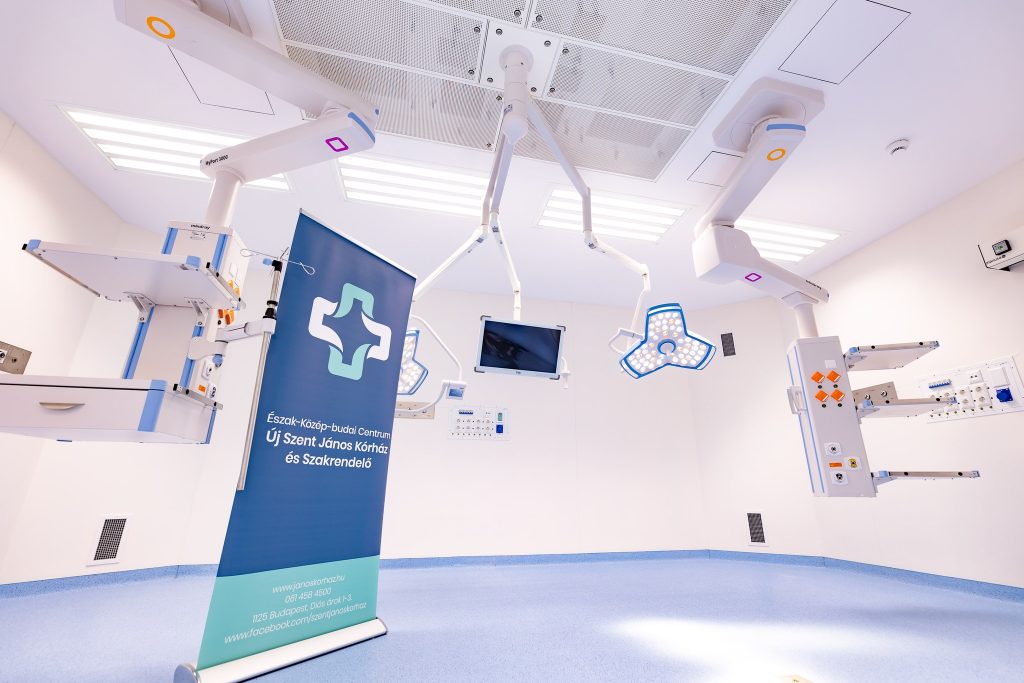
State-of-the-art hospitals in affordable European countries like Poland and Hungary offer high-quality care at low costs in 2026.
4. Romania — Fast-Growing Medical Tourism Destination
Romania has rapidly improved its private healthcare sector, with Bucharest’s Regina Maria and MedLife networks providing EU-standard care in neurology, fertility, and aesthetics. Life expectancy stands at 76 years, with strong growth in telemedicine services.
Typical costs: IVF cycle €2,500, general surgery €1,000–€2,000, cosmetic procedures 60–75% less than in Western Europe.
Best for: Budget-conscious patients seeking fertility treatment, neurology, and quick elective procedures.
5. Bulgaria — Excellent Value for Rehabilitation & Chronic Care
Bulgaria combines modern medicine with natural spa and thermal therapies, scoring well for cost-efficiency (index 68/100). Sofia’s Acibadem City Clinic and Tokuda Hospital lead in cardiology, orthopedics, and rehabilitation.
Typical costs: Annual health check-up €50, knee replacement €3,000, rehabilitation stays €80–€150/day.
Best for: Retirees, chronic condition management, and post-surgical recovery with natural therapies.
Cost Comparison Table – How Much You Save
Approximate savings compared to average Western European prices (UK/Germany/France):
- Dental crown: €200 vs. €800–€1,200 (60–80% savings)
- Cataract surgery: €1,000 vs. €3,500–€4,500 (70% savings)
- Hip replacement: €4,000–€5,000 vs. €15,000–€20,000 (70–75% savings)
- Full-body MRI: €150–€300 vs. €800–€1,500 (70–80% savings)
Per capita healthcare spending in these countries is typically under €2,000 per year, compared to €4,000–€6,000+ in Western Europe, yet clinical outcomes remain comparable.
How to Access Healthcare in These Countries as a Non-EU Resident or Tourist
Short-term visitors (Schengen visa): Must have travel insurance covering at least €30,000 in medical emergencies, hospitalization, and repatriation.
Long-term expats/residents: Private insurance is required initially; after gaining residency and contributing to social security, many qualify for low-cost or free public coverage.
- Check visa requirements on the official national immigration website.
- Purchase compliant travel/private health insurance (options start at €20–€50/month).
- Upon arrival, register with a local GP or private clinic for ongoing care.
- Use mobile apps or English-speaking call centers for appointments.
For the latest rules, visit the European Commission Health Portal.
Challenges & Practical Tips for Getting the Best Care
Potential challenges include language barriers outside major cities and longer waits in public hospitals. Solution: Choose private clinics in capitals where English is widely spoken and JCI-accredited facilities are common.
Practical advice: – Always verify JCI or ISO accreditation – Read verified patient reviews on platforms like WhatClinic or Patients Beyond Borders – Budget an extra 10–20% for travel, accommodation, and unexpected extras – Bring medical records and prescriptions translated into English
Visual comparison of healthcare affordability and quality across European countries in 2026.
Frequently Asked Questions
What is the cheapest country in Europe for dental care in 2026?
Hungary remains the global leader, with dental implants costing around €800 and full treatments 60–80% cheaper than in the UK or Western Europe.
Is healthcare free for expats in these affordable countries?
No — non-EU expats usually need private insurance at first. After obtaining residency and contributing to social security, many qualify for low-cost or free public healthcare.
Which country offers the best value for major surgery?
Poland delivers outstanding value, with procedures like hip and knee replacements costing €4,000–€5,000 in JCI-accredited private hospitals with excellent outcomes.
Do I need health insurance to get a visa for these countries?
Yes — Schengen short-stay visas require proof of at least €30,000 medical coverage; long-stay D-visas often require comprehensive private insurance.
How does the quality of care compare to Western Europe?
These countries score 68–75/100 on global indices — very close to Western Europe’s 75–85 range — while offering dramatically lower costs per procedure.
Can tourists receive emergency treatment without insurance?
Yes, but you will pay out-of-pocket at high rates. Comprehensive travel insurance is strongly recommended to avoid financial stress in emergencies.