


In recent years, Taiwan has solidified its position as a Taiwan top choice STEM IT students from Asia, Africa, and the Middle East. With its cutting-edge technology sector, affordable high-quality education, and generous scholarships, Taiwan attracts ambitious learners eager to excel in fields like semiconductors, engineering, and information technology. The island nation’s strategic focus on innovation, combined with a welcoming environment, makes it an ideal destination for those seeking both academic excellence and practical career pathways.
Beyond academics, Taiwan offers a blend of modern infrastructure, cultural richness, and safety that enhances the student experience. As global demand for skilled STEM professionals grows, Taiwan’s programs provide hands-on training and industry connections, positioning graduates for success in a competitive job market. This article explores the key factors driving this trend, from top universities to post-study opportunities.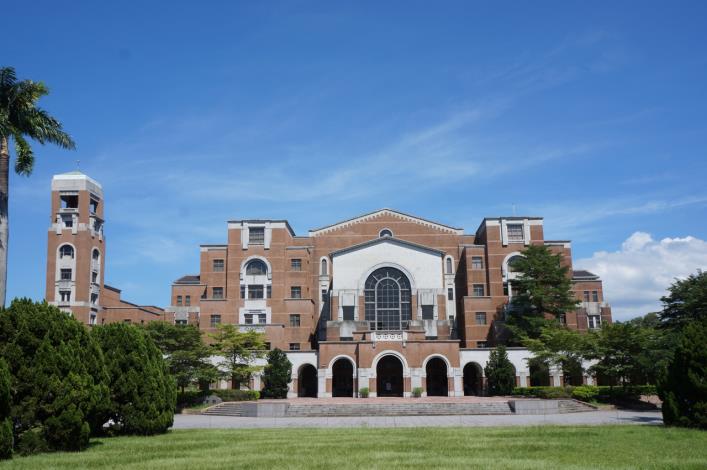
Aerial view of National Taiwan University campus, showcasing its blend of historic architecture and green spaces ideal for international students.
The Appeal of Taiwan’s Education System
Taiwan’s higher education system ranks among the best in Asia, particularly in STEM and IT disciplines. The country invests heavily in research and development, fostering an environment where students can engage in groundbreaking projects. For international students from Asia, Africa, and the Middle East, Taiwan provides numerous English-taught programs, making it accessible without full Mandarin proficiency.
One major draw is the emphasis on practical skills. Universities collaborate closely with industry leaders like TSMC, offering internships and real-world applications in semiconductors and AI. This hands-on approach particularly appeals to students from regions like Southeast Asia and the Middle East, where such advanced opportunities may be more limited.
Additionally, Taiwan’s free and open society stands out, allowing unrestricted academic exploration and innovative thinking—qualities highly valued by students from diverse backgrounds.
Students working in a high-tech STEM lab at a Taiwanese university, highlighting advanced equipment and collaborative research in semiconductors.
Leading Universities for STEM and IT
Taiwan boasts several globally ranked universities excelling in STEM and IT fields. According to 2025 QS World University Rankings for Computer Science and Information Systems, top performers include:
- National Taiwan University (NTU) – Ranked highly globally for comprehensive STEM research and computer science programs.
- National Tsing Hua University (NTHU) – Renowned for semiconductors, quantum technology, and engineering innovation.
- National Yang Ming Chiao Tung University (NYCU) – Strong focus on electrical engineering, AI, and integrated tech disciplines.
- National Cheng Kung University (NCKU) – Excellent in materials science, IT applications, and practical engineering.
- National Taiwan University of Science and Technology (Taiwan Tech) – Ideal for applied sciences with a high proportion of international students.
These institutions consistently rank among the best in Taiwan for computer science and engineering, drawing talent from across Asia, Africa, and the Middle East.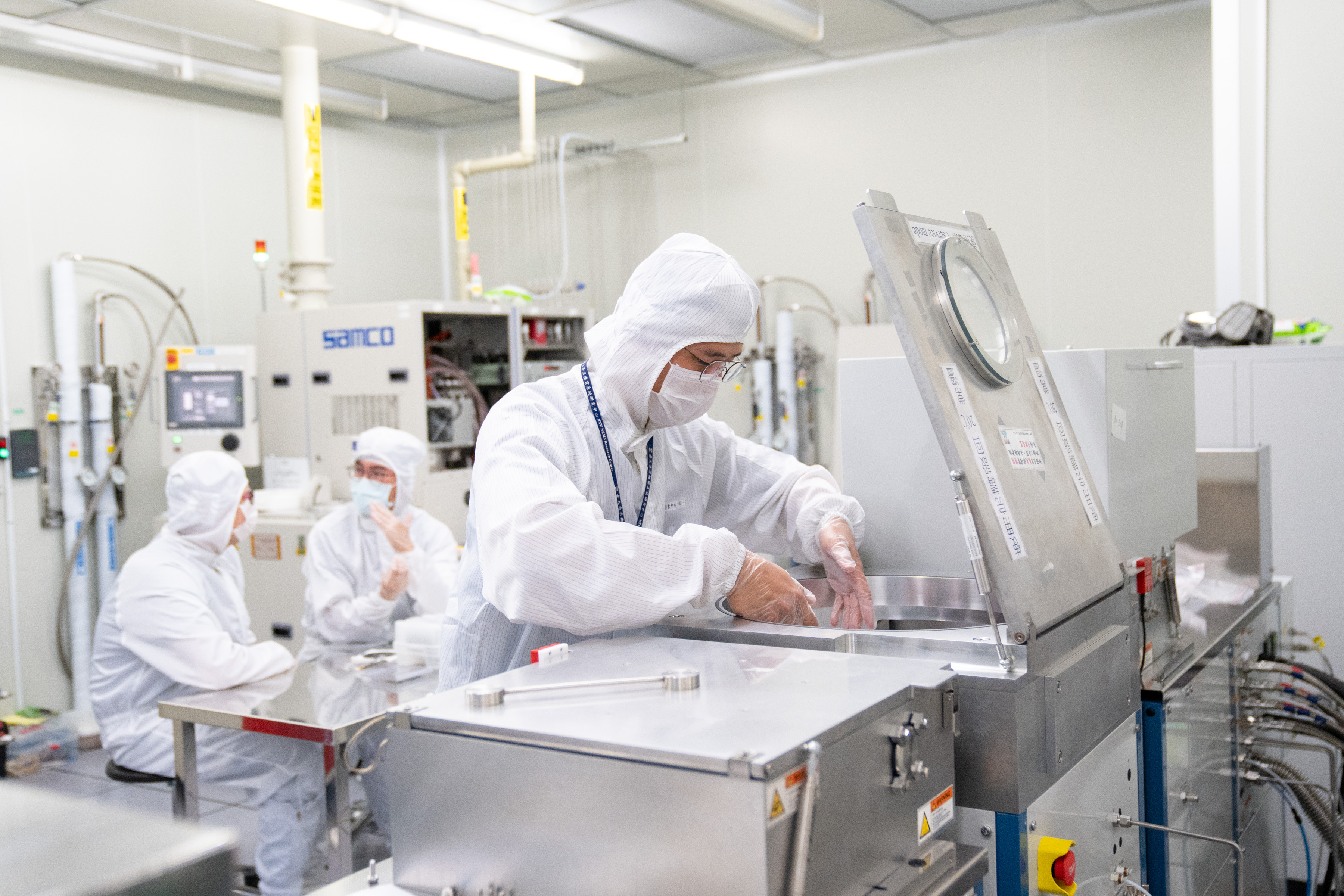
Advanced lab environment at a leading Taiwanese university, demonstrating cutting-edge semiconductor and IT research facilities.
Scholarships and Financial Support
Financial support removes barriers for many international students. Taiwan offers targeted scholarships for applicants from Asia, Africa, and the Middle East.
The MOFA Taiwan Scholarship provides monthly stipends of up to NT$33,000 for degree programs, plus tuition coverage, aimed at outstanding foreign nationals. The MOE Taiwan Scholarship offers similar benefits with living allowances.
The International Industrial Talents Education Special Program (INTENSE) partners government, universities, and industry to fund STEM, finance, and semiconductor studies—covering tuition while companies provide monthly living allowances (at least NT$10,000) and internships. This program targets international students for post-graduation employment in Taiwan.
The TaiwanICDF Scholarships support students from developing countries with full funding, including airfare and accommodation, for graduate STEM programs. Special initiatives also exist for African and Southeast Asian students, making Taiwan highly accessible.
Career Opportunities in Taiwan’s Tech Sector
Taiwan produces over 90% of the world’s advanced semiconductors, creating massive demand for STEM and IT talent. Companies like TSMC actively recruit international graduates to address workforce shortages.
Flexible policies allow students to intern during studies and pursue work visas or residency afterward, especially in high-demand fields like AI, cybersecurity, and chip manufacturing. Many graduates from Asia and the Middle East secure high-paying roles, gaining global experience while contributing to Taiwan’s tech ecosystem.
Affordable Living and High Quality of Life
Tuition fees often remain under $5,000 annually, with living costs significantly lower than in Western countries. Robust healthcare, low crime rates, and efficient public transportation create a safe, convenient environment.
Students from Africa and the Middle East particularly appreciate the inclusive society, diverse food options, and scenic landscapes that balance intense academic life.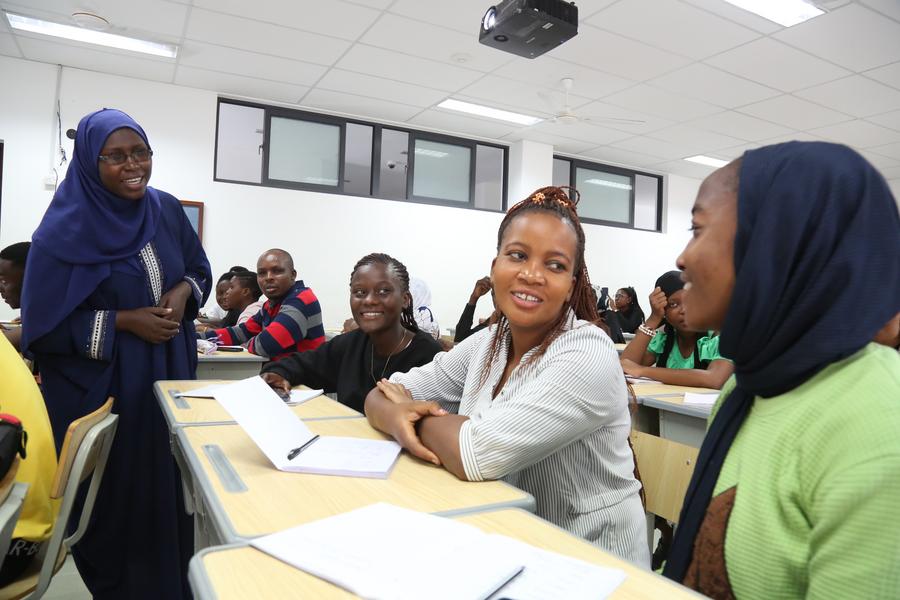
Diverse group of international students collaborating in a modern Taiwanese classroom, reflecting cultural integration and global community.
Cultural and Social Integration
Taiwan’s multicultural campuses ease integration, with English programs supplemented by optional Mandarin courses. Student organizations, tech events, and festivals foster networking among over 130,000 international students annually.
Comparison with Other Popular Destinations
Compared to Europe, Taiwan offers specialized semiconductor training and more accessible post-study work options. For those considering Germany, review the study in Germany requirements as a benchmark.
Taiwan prioritizes skilled migration in tech fields. For broader immigration context, see essential knowledge before starting the asylum process, though Taiwan focuses on talent attraction rather than asylum routes.
External resources: Official Study in Taiwan Website | MOFA Taiwan Scholarship Details.
Frequently Asked Questions
What makes Taiwan a top choice for STEM and IT students?
Taiwan combines world-class universities, strong industry partnerships (especially in semiconductors), generous scholarships, and practical training opportunities tailored for international talent.
Are there scholarships specifically for students from Africa and the Middle East?
Yes, programs like INTENSE, MOFA, MOE, and TaiwanICDF offer full or partial funding, targeting developing regions and STEM fields with stipends, tuition waivers, and internship support.
What are the top universities in Taiwan for computer science and IT?
Leading options include National Taiwan University (NTU), National Tsing Hua University (NTHU), National Yang Ming Chiao Tung University (NYCU), National Cheng Kung University (NCKU), and Taiwan Tech—highly ranked in 2025 global listings.
Can international students work in Taiwan after completing STEM or IT studies?
Yes, expanded policies support internships during studies and work visas or residency post-graduation, particularly in semiconductors and tech industries facing talent shortages.
How affordable is studying and living in Taiwan?
Tuition is low (often under $5,000/year), living expenses are reasonable, and scholarships significantly reduce financial burdens compared to the US or Europe.
Do STEM and IT programs in Taiwan require Mandarin proficiency?
Many top programs are fully English-taught, with optional Mandarin courses available to aid daily life and integration.