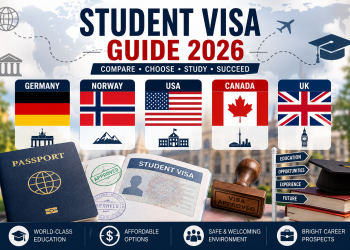
In 2026, determining the best place to study abroad requires evaluating a mix of academic reputation, affordability, and lifestyle factors. Our comprehensive ranking draws from recent global surveys and data to spotlight destinations that excel in providing high-quality education while offering vibrant cultural experiences and career opportunities for international students.
With shifting immigration policies and economic trends influencing choices, students are increasingly drawn to countries that balance innovation in teaching with welcoming environments. This guide explores top options, helping you navigate the decision-making process with practical insights and real-world examples.
Factors to Consider When Choosing a Study Abroad Destination
Selecting the ideal location for higher education overseas involves more than just university rankings. Key elements include the quality of institutions, cost implications, and post-graduation prospects. For instance, countries with strong research facilities often attract STEM students, while those with robust arts scenes appeal to creative fields.
Affordability plays a crucial role. Tuition fees, living expenses, and scholarship availability can vary widely. In Europe, many nations offer low or no tuition for public universities, making them accessible. Safety and quality of life are also paramount, with student-friendly cities providing reliable public transport and healthcare.
Cultural integration and language requirements influence the experience. English-speaking countries ease the transition for many, but learning a local language can enhance immersion. Finally, work visas and employment rates post-study determine long-term value. Data from sources like QS and U.S. News highlight these aspects in their annual assessments.
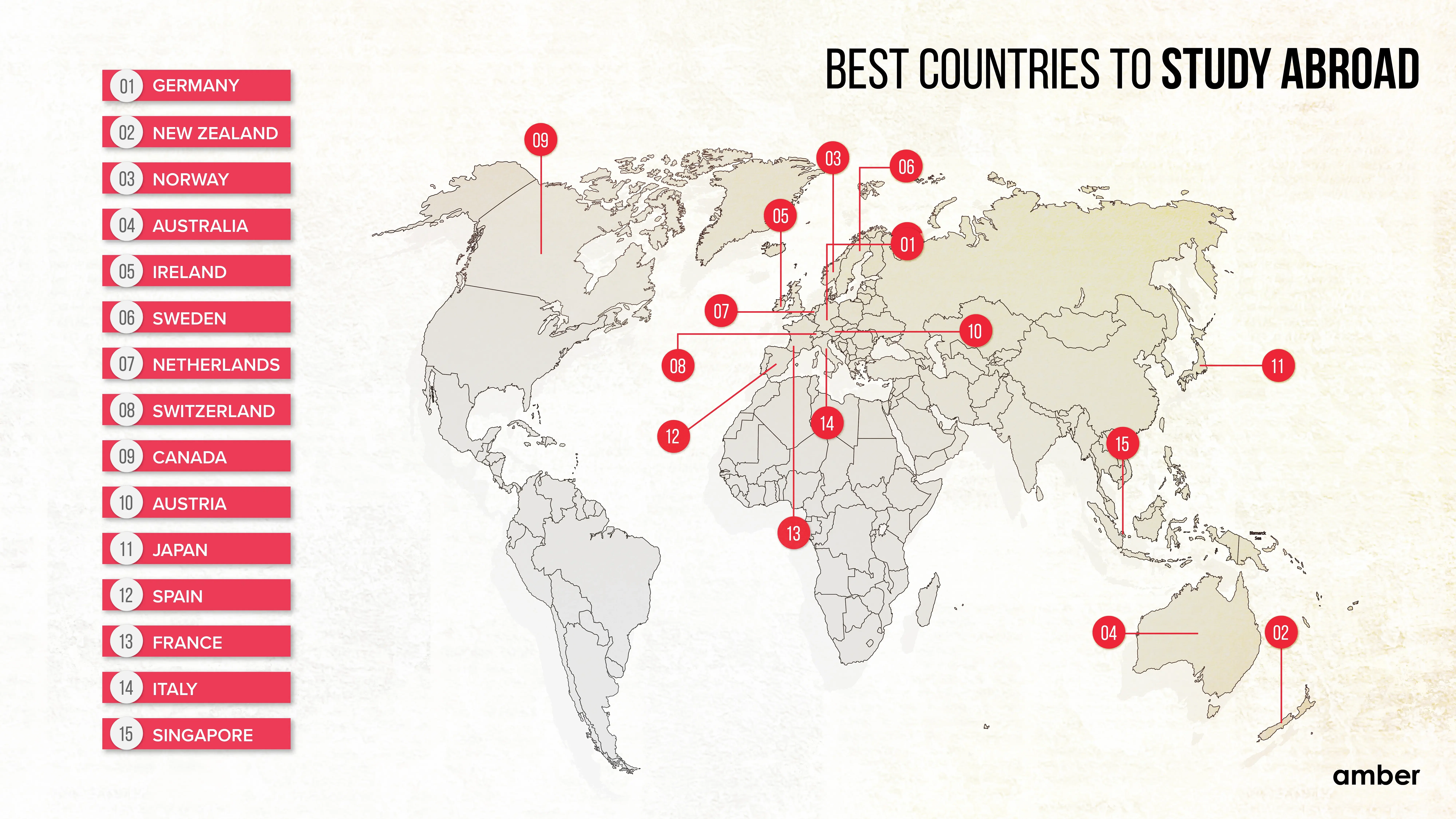
A visual overview of leading study destinations worldwide, based on 2026 rankings.
2026 Ranking: Top 10 Best Places to Study Abroad
Based on aggregated data from global rankings, including university prestige, student satisfaction, and economic factors, here is our 2026 list. Each entry includes key highlights, costs, and examples of top universities.
1. United States
The U.S. tops many rankings due to its world-class universities and diverse programs. Home to institutions like Harvard and MIT, it offers cutting-edge research opportunities in fields like technology and business. International students benefit from optional practical training visas, allowing work experience post-graduation.
Average annual tuition for undergraduates ranges from $20,000 to $60,000, with living costs adding $15,000–$25,000. Scholarships are abundant, especially for high-achievers. Cities like Boston and San Francisco provide vibrant student life, though visa processes can be competitive.
For example, a computer science student at Stanford might collaborate on AI projects with industry leaders, gaining real-world skills. The country’s cultural diversity fosters global networks.
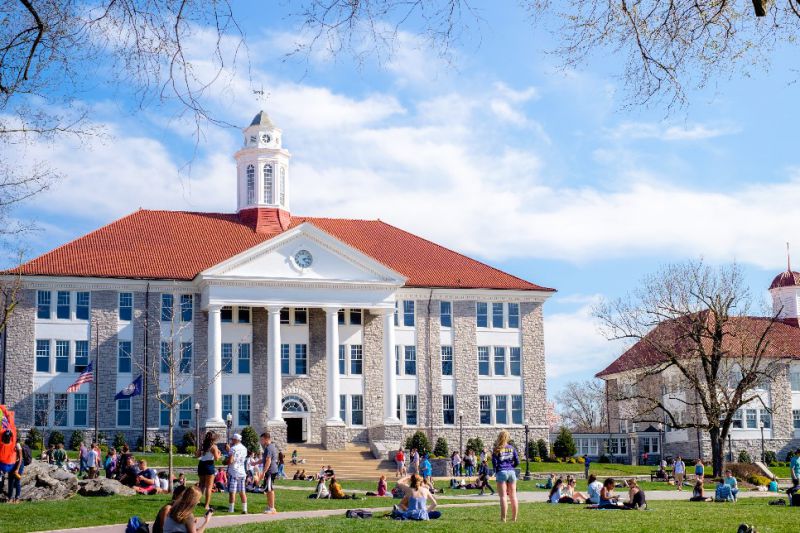
Typical campus scene in the U.S., where students enjoy outdoor study spaces and community events.
2. United Kingdom
The UK ranks highly for its historic universities and shorter degree programs, often three years for undergraduates. Oxford and Cambridge lead in global rankings, excelling in humanities and sciences. Post-study work visas allow graduates to stay for up to two years.
Tuition averages £15,000–£40,000 per year for internationals, with living expenses around £12,000. London and Edinburgh offer rich cultural scenes, from museums to festivals. Brexit has influenced EU student fees, but scholarships like Chevening remain available.
A real-world example: A business student at the London School of Economics might intern at financial firms in the City, building a professional portfolio early.
3. Germany
Germany stands out for tuition-free public universities, even for international students, making it a budget-friendly choice. Top schools like Heidelberg University excel in engineering and medicine. The country’s strong economy offers excellent job prospects, with many programs in English.
Administrative fees are minimal, around €300 per semester, while living costs total €10,000–€12,000 annually. Cities like Berlin and Munich blend history with innovation. For detailed study in Germany requirements, including language proficiency and visas, consult specialized resources.
An engineering student might participate in apprenticeships at companies like Siemens, combining theory with practice. Germany’s central location facilitates European travel.

International students engaging in group activities at a top German institution.
4. Canada
Canada’s welcoming immigration policies and high quality of life make it ideal. Universities like the University of Toronto rank globally for research. Post-graduation work permits can lead to permanent residency.
Tuition is C$20,000–C$50,000 yearly, with living costs C$15,000. Multicultural cities like Vancouver provide safe, inclusive environments. Scholarships target international talent in fields like environmental science.
For instance, a nursing student in Montreal could gain hands-on experience in bilingual healthcare settings, enhancing employability.
5. Australia
Australia offers sunny climates and top universities like the University of Sydney. Strong in marine biology and business, it provides post-study work rights for up to four years.
Fees range AUD$20,000–AUD$45,000, living expenses AUD$20,000. Sydney and Melbourne boast beaches and urban vibes. Visa streams favor skilled graduates.
A marine science student might research the Great Barrier Reef, applying classroom knowledge to conservation projects.
6. France
France combines affordable education with cultural richness. Institutions like Sorbonne University excel in arts and social sciences. EU students pay low fees; internationals average €3,000–€10,000.
Living costs are €10,000–€15,000 in Paris. The country’s cuisine and history enrich student life. Post-study visas allow job searches.
An art history major could intern at the Louvre, gaining unparalleled exposure to masterpieces.

Students enjoying iconic landmarks while studying in France.
7. Spain
Spain’s vibrant lifestyle and universities like the University of Barcelona attract students. Affordable tuition (€1,000–€3,000) and Mediterranean climate are draws.
Living expenses €9,000–€12,000. Madrid offers nightlife and internships in tourism. English programs are growing.
A language student might immerse in flamenco culture while studying linguistics.
8. Italy
Italy shines in design and history, with universities like Politecnico di Milano. Tuition €900–€4,000, living €10,000.
Rome and Milan provide artistic inspiration. Fashion students often collaborate with brands like Gucci.
9. Netherlands
Known for innovative education, the Netherlands has English-taught programs at universities like Delft. Fees €2,000–€15,000, living €11,000.
Amsterdam’s bike-friendly streets enhance daily life. Tech students benefit from startup ecosystems.
10. South Korea
South Korea leads in technology, with Seoul National University topping Asian rankings. Tuition $4,000–$10,000, living $10,000.
Seoul’s dynamic culture includes K-pop and innovation hubs. Engineering students access companies like Samsung.
How to Prepare for Studying Abroad in 2026
Start by researching visa requirements, such as the U.S. F-1 or Germany’s student visa. For Germany, understanding study in Germany requirements like proof of funds is essential.
Apply early to universities via platforms like Common App or directly. Secure funding through scholarships from bodies like DAAD or Fulbright.
Pack essentials and learn basic local customs. Join student forums for tips. Once there, engage in clubs for networking.
Budgeting is key—track expenses with apps. Health insurance is mandatory in most countries.
Benefits of Studying Abroad
Beyond academics, it builds independence and global awareness. Graduates often earn higher salaries, with networks spanning continents.
For example, alumni from UK programs report better job prospects in multinational firms. Cultural exposure enhances resumes.
Challenges like homesickness are common, but support services help. Overall, it’s a transformative investment.
For more on specific pathways, explore study in Germany requirements if Europe appeals.
Frequently Asked Questions
What is the most affordable best place to study abroad in 2026?
Germany offers tuition-free education at public universities, with low living costs, making it highly affordable while maintaining top rankings.
Which country has the best universities for international students?
The United States leads with the highest number of globally ranked institutions, providing diverse programs and research opportunities.
How do I apply for a student visa?
Requirements vary; for example, in Canada, you’ll need acceptance letters, financial proof, and biometrics. Check official government sites like Immigration, Refugees and Citizenship Canada.
What are the post-study work options in top destinations?
In Australia, graduates can stay for 2–4 years on temporary visas. Similar schemes exist in the UK and Canada for skilled workers.
Is English proficiency required everywhere?
Not always; countries like France offer English programs, but tests like IELTS are common. Research specific university needs.
How safe are these study abroad locations?
Most rank high in safety indices, like those from Numbeo. Choose based on personal comfort and official advisories from sources such as U.S. Department of State.
For European options, reviewing study in Germany requirements can provide insights into secure, structured systems.
External Resources: