

Did you know that a large portion of electricity generated worldwide never reaches homes or businesses? Instead, it disappears as heat during transmission. Now, engineers at Seoul National University may have taken a major step toward solving this costly problem.
In a recent development, researchers have created a superconducting wire capable of carrying significantly more electricity than traditional copper cables while eliminating resistance under controlled conditions. This innovation could reshape how energy is delivered across cities and nations.
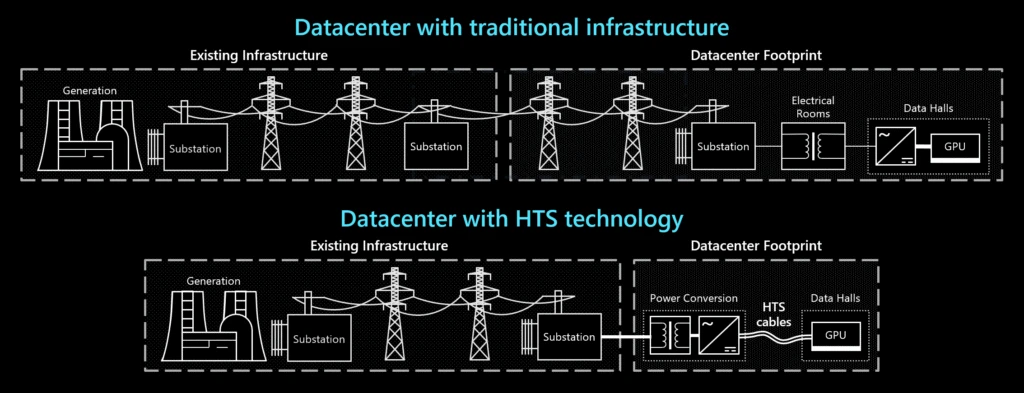
Advanced superconducting materials could reduce energy loss in power grids
The Hidden Problem: Electricity Loss
Every year, power grids lose massive amounts of electricity due to resistance in wires. When electricity flows through conventional materials like copper, some of that energy converts into heat and is lost forever.
As a result, countries spend billions compensating for inefficiencies in transmission systems. While power generation continues to improve, transmission losses remain a persistent challenge.
What Makes Superconductors Different?
Superconductors operate under a unique principle: when cooled to extremely low temperatures, they allow electricity to flow with zero resistance.
- No energy lost as heat inside the wire
- Higher electricity capacity
- Improved efficiency over long distances
This means electricity can move more efficiently, potentially transforming entire power systems.
The Breakthrough Explained
The team developed a ceramic-based superconducting material designed to handle high electrical loads while maintaining stability. Compared to traditional conductors, this wire can carry significantly more current within the same size.
In addition, the material shows improved durability, which is critical for real-world applications.
Scientists testing next-generation superconducting cables
The Reality Check: Cooling Challenges
However, there is a critical limitation. Superconductors require extremely low temperatures to function. Maintaining these conditions involves advanced cooling systems that consume energy.
Therefore, while the wire itself eliminates resistance, the overall system must balance efficiency with cooling costs.
Where This Technology Could Be Used
If successfully scaled, superconducting wires could be used in:
- Major urban power grids
- Hospitals and critical infrastructure
- Data centers with high energy demand
- Renewable energy transmission networks
These applications could benefit from reduced energy waste and improved reliability.
Impact on Clean Energy
One of the biggest advantages of this technology is its potential role in clean energy systems. Renewable sources like solar and wind often generate power far from where it is used.
Efficient transmission is essential to make these systems viable. By reducing losses, superconductors could help maximize the impact of renewable energy.
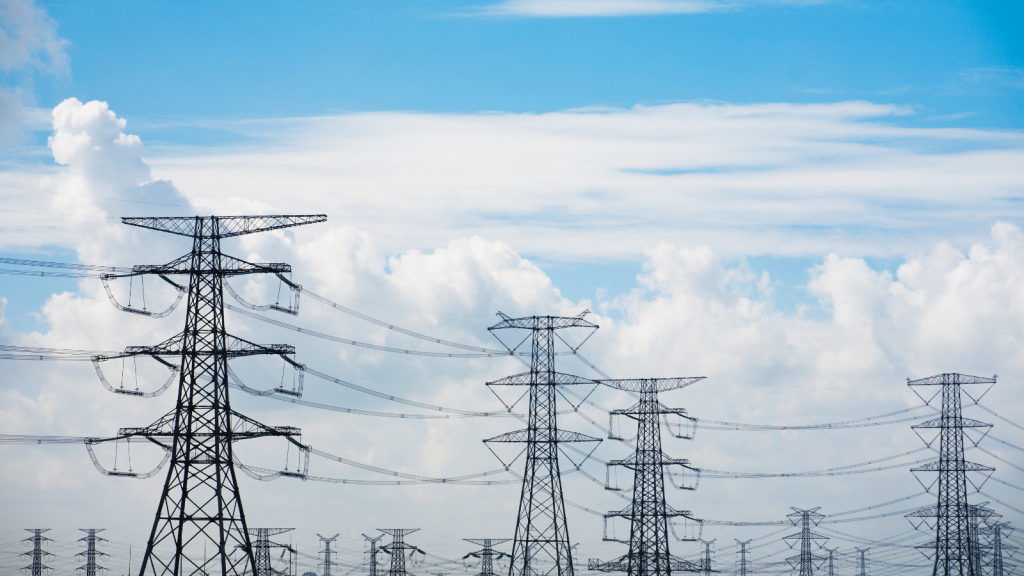
Efficient transmission is key to renewable energy success
Economic Implications
Reducing transmission losses could save billions annually. Over time, these savings could lower electricity costs for consumers and improve energy access.
Shocking Fact: Even small efficiency gains in power grids can translate into massive financial savings globally.
Challenges Ahead
Despite its promise, several challenges remain:
- High cost of materials and cooling systems
- Complex infrastructure requirements
- Limited large-scale deployment
Overcoming these barriers will determine how quickly this technology can be adopted.
The Future of Energy Transmission
The future of energy may depend not just on generating more power but on using existing energy more efficiently. Superconducting technology represents a shift toward smarter, more sustainable systems.
As research continues, improvements in cooling methods and material science could make this technology more practical and affordable.
The development of high-capacity superconducting wires marks a significant milestone in energy innovation. While challenges remain, the potential to reduce electricity loss and improve efficiency is enormous.
Takeaway: The real revolution in energy may come from stopping waste—not just increasing supply.
Frequently Asked Questions
1. What is a superconducting wire?
It is a material that can carry electricity with zero resistance under specific conditions.
2. Why is electricity lost during transmission?
Resistance in conventional wires converts energy into heat.
3. Can this technology eliminate power loss completely?
It eliminates resistance in the wire, but cooling systems still consume energy.
4. Is this technology available today?
It exists but is not yet widely used due to cost and complexity.
5. How will it affect electricity bills?
In the future, it could reduce costs by improving efficiency.
6. What industries benefit most?
Power grids, renewable energy, healthcare, and data centers.