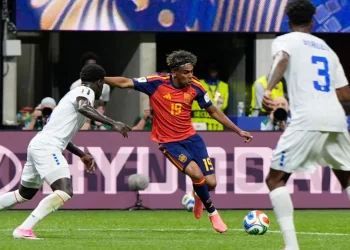
Why the FIFA World Cup is the biggest sporting event comes down to one simple truth: it belongs to the entire planet. Unlike regionally dominant events, the World Cup draws participation and viewership from every corner of the globe, creating a shared experience that no other sporting spectacle can replicate.
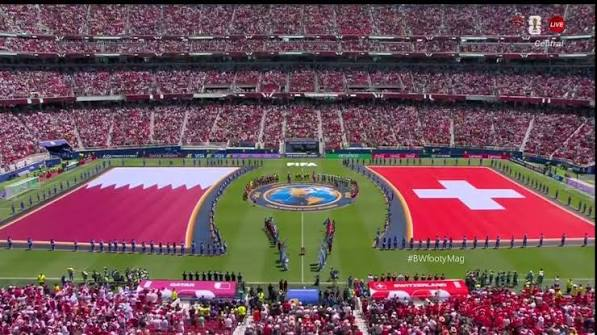
Fans from around the world unite in stadiums and fan zones during the World Cup.
Record-Breaking Global Viewership
The numbers tell an extraordinary story. The 2022 World Cup in Qatar reached an estimated 5 billion people — more than half the world’s population. The final alone attracted over 1.5 billion viewers. FIFA projects even higher figures for 2026, potentially making it the most-watched event in human history.
This dwarfs other major events. The Super Bowl draws around 100-120 million primarily U.S. viewers, while the Olympics spread interest across many sports. The World Cup’s month-long football focus creates sustained global engagement.
Universal Appeal and Accessibility
Football is the world’s most popular sport, played and followed in over 200 countries. The World Cup requires no expensive equipment or specialized knowledge — just passion. This democratic nature allows fans from all socioeconomic backgrounds to participate emotionally.
Players represent their nations, turning matches into expressions of national identity and pride. A goal by a national team can spark nationwide celebrations or collective heartbreak.
Cultural and Social Impact
The World Cup goes far beyond sports. It influences music, fashion, language, and diplomacy. Iconic moments like Maradona’s “Hand of God” or Messi’s 2022 triumph become cultural touchstones. Host nations experience infrastructure boosts, tourism surges, and long-term soft power gains.
It also promotes unity. During tournaments, rivalries are set aside as people from different backgrounds bond over shared excitement. Campaigns around diversity, inclusion, and fair play further amplify its positive influence.
Economic Powerhouse
FIFA generates billions in revenue through broadcasting rights, sponsorships, and licensing. For 2026, expectations exceed previous records due to the three-host format and expanded 48-team lineup. Host cities and countries invest heavily, anticipating massive economic returns through tourism and global exposure.
The 2026 World Cup: Bigger Than Ever
Co-hosted by the United States, Canada, and Mexico, the 2026 edition features 48 teams and more matches, promising unprecedented scale. Early viewership records for opening games already show massive interest, especially in North America.
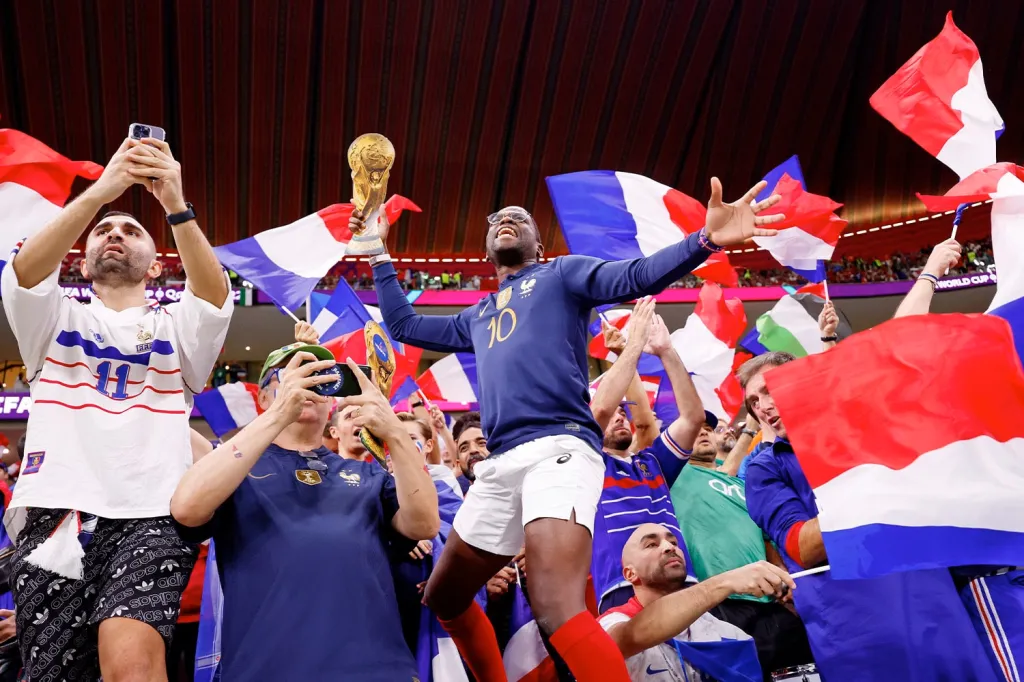
The World Cup trophy symbolizes the ultimate achievement in global sport.
Comparison with Other Major Events
While the Olympics are prestigious, they feature many sports and athletes. The World Cup maintains laser focus on one sport for an entire month. Club competitions like the UEFA Champions League are elite but lack the national representation that fuels World Cup passion.
What Makes the World Cup Unforgettable
- Every match matters: Group stages can eliminate powerhouses early.
- Drama and underdogs: Smaller nations can topple giants.
- Heroic individual performances: Stars rise to legendary status.
- Global simultaneity: Billions watch the same moments in real time.
Frequently Asked Questions
Why is the FIFA World Cup the biggest sporting event?
It combines unmatched global viewership (over 5 billion for 2022), universal accessibility of football, and deep national pride that no other event matches.
How many people watch the World Cup?
The 2022 tournament reached approximately 5 billion people. The 2026 edition is expected to break this record.
Is the World Cup bigger than the Olympics?
In terms of cumulative global audience and cultural penetration in a single sport, yes. The World Cup often outperforms the Olympics in pure viewership metrics for its flagship events.
What makes the 2026 World Cup special?
As the first 48-team tournament co-hosted by three nations, it offers more matches, greater representation, and massive North American market access.
Which World Cup had the highest viewership?
The 2022 Qatar World Cup set the record with around 5 billion cumulative viewers.
Why does the World Cup create such strong emotions?
National representation turns games into proxies for patriotism, community, and personal identity on a global stage.
A Global Phenomenon Like No Other
The **FIFA World Cup** stands alone as the biggest sporting event on Earth because it captures the hearts of billions, transcends language and culture, and delivers drama, skill, and unity every four years. As the 2026 tournament continues to unfold, it reaffirms football’s position as the world’s game and the World Cup as its greatest stage.
Whether you follow every match or tune in for the final, the World Cup reminds us of our shared humanity through the beautiful game.