Access to dependable healthcare is a cornerstone of community wellbeing. Busia County, sitting on the Kenya–Uganda border, serves a busy and diverse population — commuters, traders, rural families, and cross-border travelers. This article profiles the leading hospitals in Busia County and gives practical advice on selecting and using these facilities for better outcomes.
Why quality healthcare matters in Busia County
Busia County faces unique health challenges due to population movement across the border, a high burden of infectious diseases, and a mix of urban and rural communities with differing access to services. Strong hospitals reduce mortality from emergencies, improve maternal and child health, and provide continuity of care for chronic conditions.
Investing attention in the right hospital — one with the proper services, staff and equipment — means shorter delays in treatment, fewer referrals out of the county, and better long-term recovery for patients.
Top hospitals in Busia County: overview and strengths
Busia County Referral Hospital (BCRH)
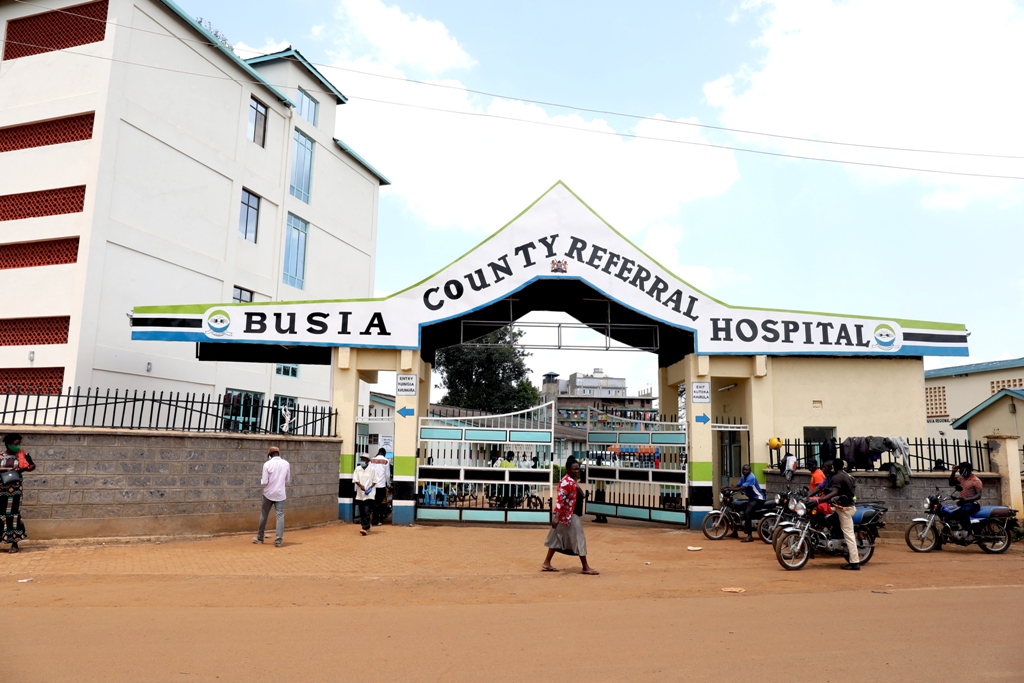

Location: Busia Town — Type: Public Level 4 referral facility
Why choose BCRH: BCRH handles complex medical cases, including surgical emergencies, advanced maternity care, neonatal support and inpatient medical care. It acts as the primary referral center for the whole county and is equipped to manage high patient volumes.
Key services: 24/7 emergency, maternity ward, theatre services, laboratory, radiology, inpatient wards.
Practical tip: For high-risk pregnancies and surgical emergencies, call ahead if possible and bring any referral paperwork to speed admission.
Tanaka Nursing Home

Location: Busia Town — Type: Private
Why choose Tanaka: Tanaka Nursing Home is known for shorter wait times, a cleaner private environment, and personalized maternity and pediatric care. It is a strong option for routine deliveries and outpatient specialist visits when you can pay privately.
Key services: Maternity, pediatrics, gynecology, outpatient diagnostics, in-house pharmacy.
Port Victoria Sub-County Hospital

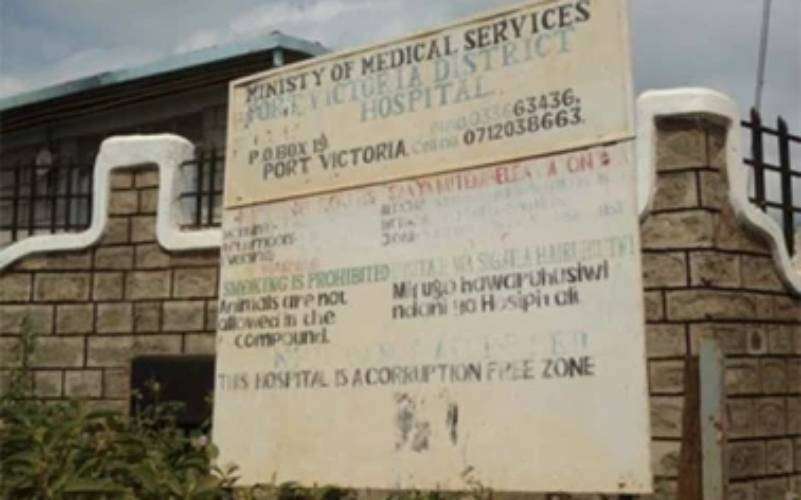
Location: Port Victoria, Bunyala Sub-County — Type: Public
Why choose Port Victoria: Serves the lakeside communities and focuses on malaria, waterborne illnesses and maternal health. Community outreach programs and NGO partnerships strengthen primary care and prevention services in the lakeshore area.
Key services: Outpatient care, maternal services, malaria treatment, community outreach.
Alupe Sub-County Hospital
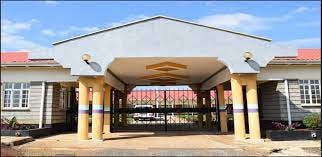

Location: Alupe, Teso South — Type: Public
Why choose Alupe: Recognized for its work on tropical diseases and research collaborations with educational institutions nearby. Its lab services are robust for the region, which helps with diagnosis and appropriate treatment plans.
Key services: Diagnostics, tropical disease management, maternity services, outpatient clinics.
The Rosewood Hospital


Location: Malaba — Type: Private
Why choose Rosewood: Convenient for cross-border travelers and traders, Rosewood offers quick outpatient care and reliable maternity services in a private setting close to the border crossing.
Key services: Outpatient consultations, maternity, diagnostics and traveler-friendly services.
How to choose the right hospital in Busia County
Choosing a hospital depends on the nature of your medical need. Use the checklist below to make a fast decision in an emergency or plan ahead for elective care.
Checklist for choosing a facility
- Emergency? If life-threatening or severe trauma, go to Busia County Referral Hospital or call emergency transport.
- Maternity and newborn care: For routine deliveries Tanaka or Rosewood are good private options; for high-risk or surgical deliveries choose BCRH.
- Diagnostics: If you need advanced lab tests or imaging, verify the hospital’s lab and X-ray capabilities before going.
- Budget considerations: Public hospitals are more affordable; private hospitals offer faster service and more privacy.
- Transport and access: Consider distance, road condition and available ambulance or taxi services.
Preparing for a hospital visit — practical steps
Preparation reduces stress and speeds up care. Whether you are visiting for a routine appointment or preparing for delivery, take these steps:
- Bring ID and insurance cards: National ID, NHIF card if applicable, or private insurance details.
- Pack a basic hospital bag: Copies of previous medical records, current medications, phone charger, comfortable clothing, and baby supplies if expecting.
- Contact the facility: When possible call ahead to confirm service availability, especially for lab tests or theatre schedules.
- Arrange transport: Know local ambulance or taxi contacts and the quickest route to the chosen hospital.
Costs, payment options and support
Public hospitals accept NHIF for many services and are generally lower cost than private facilities. Private hospitals charge higher fees but can reduce waiting times and provide private rooms. If cost is a concern, ask the hospital social services office about payment plans or charity programs supported by NGOs in the county.
Patient safety and quality indicators to look for
- Clean wards and functioning sanitation facilities
- Visible triage and emergency procedures
- Qualified staff (nurses, midwives, doctors) on duty
- Functional laboratory and imaging services
- Clear process for referrals and discharge instructions
Local resources and internal links
For deeper information about services and patient guidance, consult these resources on our site:
- Hospital choice guide — a step-by-step guide to choosing the right facility and preparing for admission. (Explains how to match needs to services.)
- Maternity services overview — what to expect during antenatal care, delivery and postpartum follow-up. (Useful for expectant mothers.)
- Managing common infectious diseases — prevention and when to seek hospital care. (Helps families recognize danger signs.)
- Patient rights and payments — explanation of NHIF coverage and payment options at public hospitals. (Covers budgets and entitlements.)
Authoritative external references
For national guidelines and disease information, consult the Ministry of Health and international public health sources:
- Kenya Ministry of Health — national policies, NHIF guidance, and public health advisories.
- World Health Organization (WHO) — global standards on maternal health, emergency care and disease protocols.
- Busia County Government — local health projects, facility listings and county announcements.
Real examples and scenarios
Scenario 1 — Emergency trauma: John suffers a road injury near Busia town. Bystanders call for an ambulance or take him directly to Busia County Referral Hospital because it has theatre capacity and trauma triage. Early arrival and the hospital’s trauma protocol improve his outcome.
Scenario 2 — Delivery planning: A woman with previous C-section history should plan delivery at BCRH where surgical teams and neonatal support are available. For a low-risk first delivery, a private facility like Tanaka may be chosen for privacy and shorter waits.
Follow-up care and continuity
After discharge, ensure you have a follow-up plan: appointment dates, refill prescriptions, and contact details for the clinic or ward. Many facilities offer outpatient follow-up and community health programs — ask at discharge for contact numbers and next steps.
Frequently Asked Questions
Which hospital in Busia handles complex surgeries and high-risk cases?
Busia County Referral Hospital is the primary referral facility with operating theatres and specialist staff for complex surgeries and high-risk deliveries.
Are there hospitals in Busia that offer ambulance services?
Yes. Public hospitals such as Busia County Referral Hospital and some private hospitals provide ambulance services; availability may vary and calls should be made in advance when possible.
Can I use NHIF at private hospitals in Busia?
Some private hospitals accept NHIF for approved services, but coverage and processes differ. Confirm with the hospital billing office before admission.
Where should I go for malaria or waterborne disease treatment?
Port Victoria Sub-County Hospital and other local public facilities handle malaria and waterborne illnesses; they also run community outreach for prevention and early treatment.
What documents should I bring to the hospital?
Bring national ID (or passport), NHIF card or insurance details, referral slips if any, a list of current medications, and contact information for a next-of-kin.
How do I find the nearest hospital in an emergency?
Use local contacts, community health volunteers, or a quick phone search for the nearest facility. In urgent cases, prioritize the hospital with emergency and theatre services even if it means slightly longer travel time.
Busia County has a mix of public and private hospitals that together meet a wide range of health needs. For life-threatening emergencies and high-risk conditions, the referral hospital is the best choice. For routine deliveries, outpatient care and faster service, private nursing homes provide good alternatives. Use the checklist and preparation tips above to make informed choices and get timely, quality care.
Have you used any of these hospitals? Share experiences to help other patients make better decisions and improve local healthcare access. <!–