
A tenancy agreement in Kenya is a key document when renting a house or apartment. Many tenants sign without fully understanding the terms. This can lead to disputes later. This guide explains the most important clauses and how to negotiate them fairly.
What is a Tenancy Agreement in Kenya?
A tenancy agreement in Kenya is a legal contract between a landlord and a tenant. It outlines rent, payment terms, lease duration, and responsibilities of both parties.
Key Clauses in a Tenancy Agreement in Kenya

1. Rent Payment Date
Most landlords require rent payment by the 5th of each month. This can be difficult if your salary is delayed or not fixed.
Common Issue:
- Strict deadline with high penalties
- 10% late payment charges
Better Option:
Negotiate a flexible payment window. For example, paying between the 7th and 10th can help avoid delays.
2. Lease Period
Many tenancy agreements in Kenya have a 12-month lease. This is common but not always ideal.
Why it matters:
- Short leases may lead to frequent rent increases
- Long-term planning becomes difficult
Recommended Approach:
Consider a 24-month lease. This provides stability for both tenant and landlord.
3. Rent Arrears and Eviction Rules
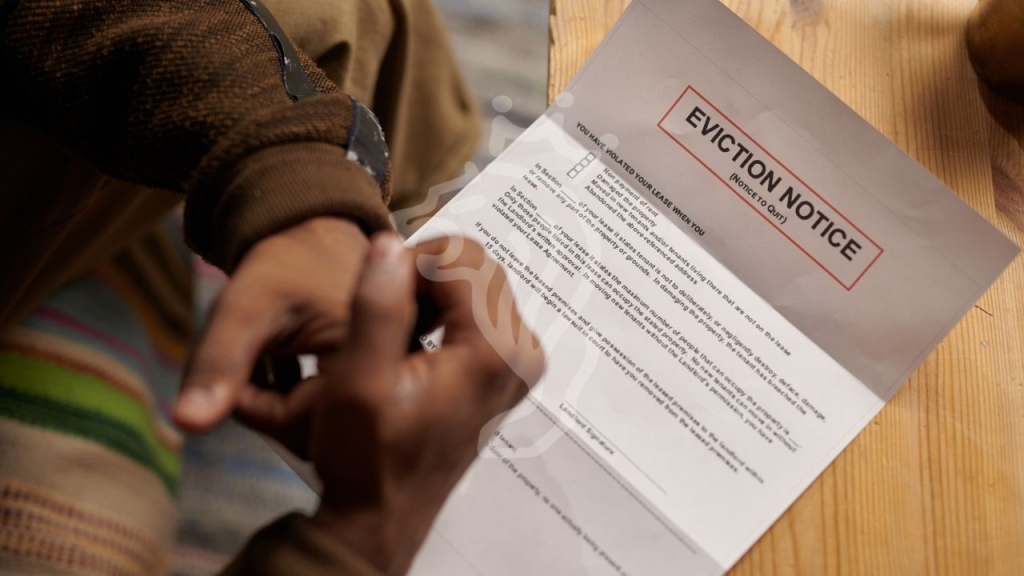
Some agreements allow landlords to repossess property after 10 days of unpaid rent. This is a high-risk clause.
Risks:
- Short time to resolve payment delays
- Possible unfair eviction
Fair Practice:
A 30-day period is more reasonable. It allows time to resolve issues while protecting the landlord.
4. Security Deposit
The deposit is usually equal to one month’s rent. Some landlords use it as the last month’s rent.
Important Points:
- Agree on how damages will be assessed
- Ensure a joint inspection is done
- Document everything in writing
5. Access to the Premises
Landlords may need access for inspection. However, tenants have a right to privacy.
Best Practice:
- Require at least 24-hour notice
- Allow immediate access only in emergencies
Tenant Rights in Kenya
Every tenancy agreement in Kenya must respect basic tenant rights. These include:
- Right to privacy
- Right to proper notice before eviction
- Right to fair treatment
How to Negotiate a Tenancy Agreement in Kenya
You can negotiate terms before signing. Most landlords are open to reasonable requests.
- Explain your situation clearly
- Suggest fair adjustments
- Keep communication professional
- Put all changes in writing
Real Example
A tenant with a variable salary between the 3rd and 10th negotiated a rent deadline of the 10th. This prevented penalties and ensured consistent payments.
Common Mistakes to Avoid
- Signing without reading the agreement
- Ignoring penalty clauses
- Not documenting changes
- Assuming all clauses are fair
A tenancy agreement in Kenya should be clear and fair. Always review key clauses like rent payment, lease period, and eviction rules. Negotiating before signing can save you from future problems.
FAQs
Can a landlord evict a tenant after 10 days in Kenya?
Some agreements allow this, but fair practice requires reasonable notice. A 30-day period is safer.
Can I negotiate a tenancy agreement in Kenya?
Yes. You can negotiate rent dates, lease period, and other terms before signing.
What is the standard lease period in Kenya?
Most leases are 12 months, but longer periods like 24 months can be agreed.
Is the deposit refundable?
Yes, depending on the agreement and any damages to the property.