

Hollywood legends died young have always captured public fascination, blending undeniable talent with heartbreaking final chapters. These icons achieved stardom at lightning speed, yet their lives were cut short by accidents, overdoses, and mysterious circumstances that still spark debate. Their stories serve as cautionary tales about the intense pressures of celebrity culture.
In this in-depth look, we uncover verified details, lesser-known facts, and the real-world impact of these losses. From Old Hollywood glamour to blockbuster-era heartbreak, these accounts remind us why their work continues to influence films, fashion, and fan culture worldwide.
The Allure and Tragedy of Early Fame in Hollywood
The entertainment industry has long celebrated youthful brilliance, but history shows how quickly that spotlight can become dangerous. Many stars rose to fame before age 30, facing relentless schedules, public scrutiny, and personal demons. Shocking facts often emerge only after their deaths, revealing hidden struggles with mental health, substance use, and industry negligence.
These tragedies prompted important conversations about on-set safety, mental health support, and the long-term effects of child stardom. Yet the pattern persists, underscoring the need for systemic change.
James Dean: The Rebel Without a Cause Who Crashed Into Eternity
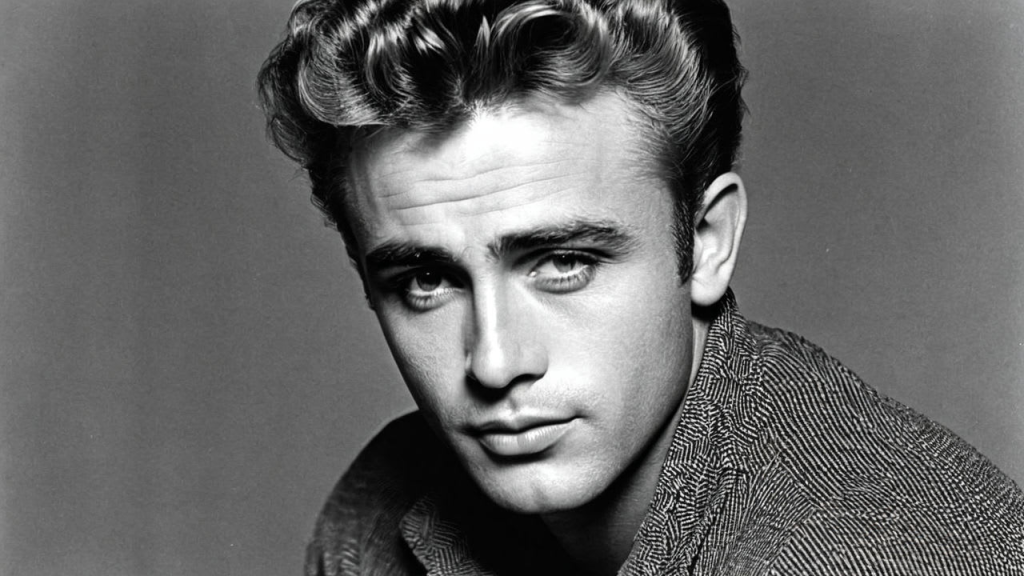
James Dean, the ultimate symbol of youthful rebellion, captured in one of his most famous portraits shortly before his fatal 1955 car crash.
James Dean starred in just three major films—East of Eden, Rebel Without a Cause, and Giant—yet became a cultural icon at age 24. His death on September 30, 1955, occurred when his Porsche Speedster collided with another vehicle on a California highway. Dean had received a speeding ticket earlier that day, and the wreck was so severe that rescuers initially thought no one could have survived.
Shocking fact: Dean’s car, nicknamed “Little Bastard,” was later involved in multiple accidents and injuries even after being scrapped, fueling urban legends. His posthumous Academy Award nomination for Giant made him the first actor to receive one after death. Dean’s influence shaped the “anti-hero” archetype that still dominates modern cinema.
River Phoenix: A Talented Star Extinguished by Overdose at 23
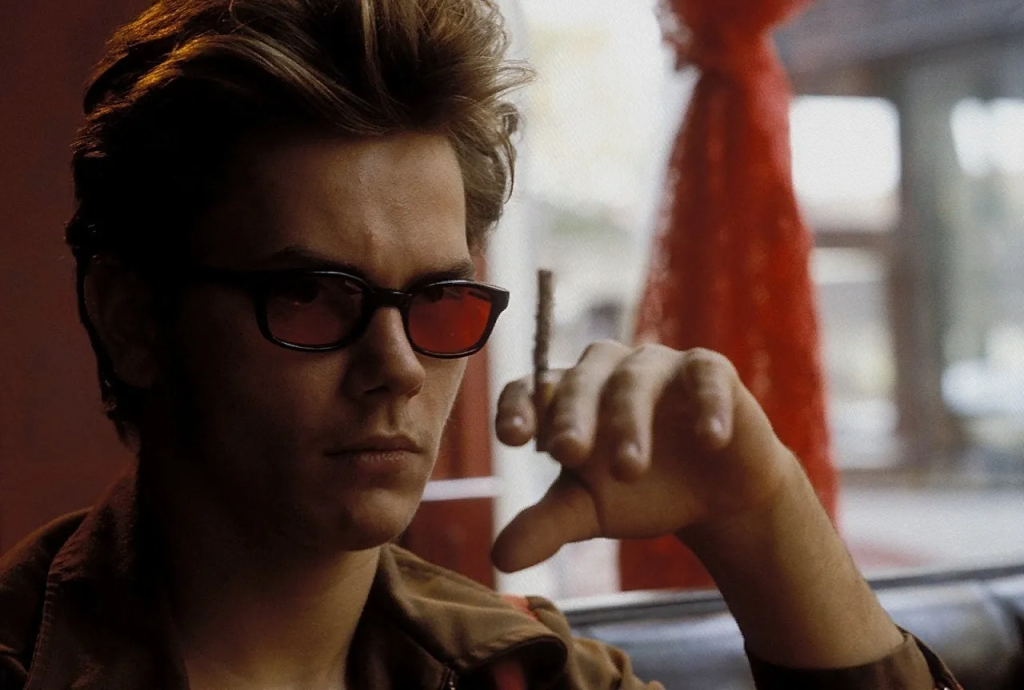
River Phoenix, the rising star of Stand by Me and My Own Private Idaho, shown in a candid 1990s portrait months before his tragic 1993 death.
River Phoenix earned critical acclaim for roles in Stand by Me and My Own Private Idaho. On October 31, 1993, the 23-year-old collapsed outside Johnny Depp’s Viper Room club after taking a lethal combination of cocaine and morphine. Paramedics could not revive him.
Shocking fact: Phoenix had publicly advocated against drugs in interviews, making his death especially ironic. His family later revealed he had been sober for years before relapsing that night. Phoenix’s passing highlighted the dangers of party culture in 1990s Hollywood and inspired greater awareness around addiction.
Heath Ledger: The Dark Knight Whose Final Role Proved Fatal

Heath Ledger delivering his Oscar-winning performance as the Joker in The Dark Knight, released months after his 2008 death at age 28.
Heath Ledger’s portrayal of the Joker in The Dark Knight earned him a posthumous Oscar. Found dead in his Manhattan apartment on January 22, 2008, the 28-year-old had accidentally overdosed on prescription medications including oxycodone, hydrocodone, and diazepam while filming The Imaginarium of Doctor Parnassus.
Shocking fact: Ledger kept a diary documenting his descent into the Joker’s psyche, describing sleepless nights and paranoia. His death prompted stricter guidelines for actors’ mental health support during intense roles. Ledger left behind a young daughter, Matilda, whose custody became a high-profile legal matter.
Jean Harlow: Old Hollywood’s Platinum Blonde Bombshell Lost at 26

Jean Harlow, the original blonde bombshell of 1930s cinema, in a classic studio portrait from her peak career years.
Jean Harlow lit up screens in films like Red Dust opposite Clark Gable. While filming Saratoga in 1937, the 26-year-old collapsed from kidney failure caused by undiagnosed uremic poisoning. Studio executives covered up her illness to protect her image, delaying proper medical care.
Shocking fact: Harlow’s mother, a Christian Scientist, refused medical treatment for her daughter until it was too late. The actress died on June 7, 1937, and Saratoga was completed using a body double. Her death exposed the era’s dangerous lack of medical oversight in Hollywood. Read the full historical account on History.com.
Brittany Murphy: From Clueless Star to Mysterious Death at 32
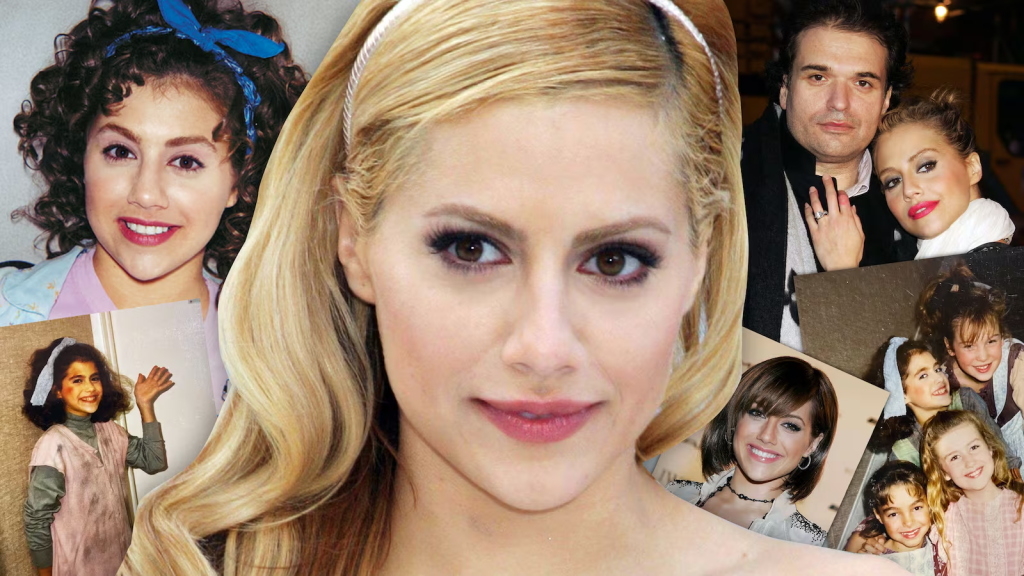
Brittany Murphy delivering her breakout comedic performance in Clueless, one of her most beloved roles before her shocking 2009 death.
Brittany Murphy starred in hits like Clueless, 8 Mile, and Girl, Interrupted. She died on December 20, 2009, at age 32 from pneumonia complicated by anemia and multiple drug intoxication. Her husband, Simon Monjack, died five months later under similar circumstances.
Shocking fact: Murphy’s home was later found to contain toxic mold, leading some to question environmental factors. Official reports ruled out foul play, but conspiracy theories persist. Her case raised awareness about the intersection of celebrity health, prescription medication, and living conditions in Los Angeles.
Brandon Lee: The Crow’s On-Set Accident That Echoed His Father’s Fate
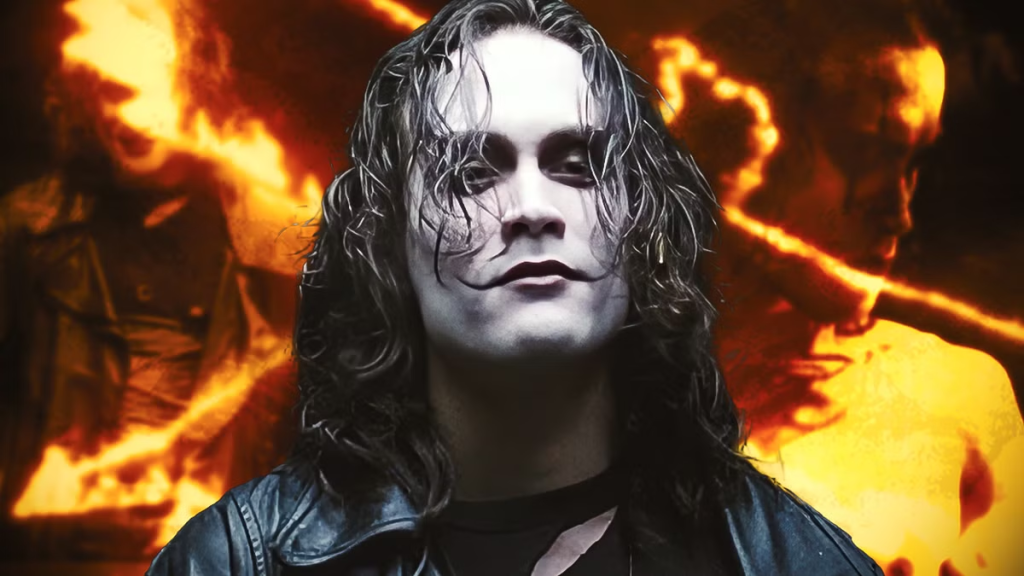
Brandon Lee as Eric Draven in The Crow, the film that became his final and most iconic project after a fatal prop-gun accident in 1993.
Brandon Lee, son of martial arts legend Bruce Lee, was filming The Crow when a prop gun malfunctioned on March 31, 1993. A fragment of a dummy bullet had lodged in the barrel and fired when blanks were used, striking Lee in the abdomen. He died at age 28 after hours of surgery.
Shocking fact: The accident mirrored the suspicious circumstances surrounding his father Bruce Lee’s death 20 years earlier. Production continued with CGI and a body double to finish the film, which became a cult classic. The tragedy led to major reforms in Hollywood prop-gun safety protocols still in effect today.
Common Threads: Why So Many Hollywood Legends Died Young?
Examining these cases reveals recurring factors: extreme work schedules, substance dependency, mental health crises, and sometimes sheer bad luck. The industry’s historical reluctance to prioritize wellness has contributed to preventable losses. Today, unions and studios implement better safeguards, yet challenges remain.
The Enduring Legacy of Stars Gone Too Soon
These Hollywood legends died young, but their influence endures through remastered films, fan tributes, and new generations discovering their work. Their stories encourage ongoing dialogue about celebrity mental health, set safety, and the human cost of fame.
Frequently Asked Questions
Who are some of the most famous Hollywood legends who died young?
Prominent examples include James Dean (24), River Phoenix (23), Heath Ledger (28), Jean Harlow (26), Brittany Murphy (32), and Brandon Lee (28). Each left an indelible mark on cinema despite short careers.
What was the cause of James Dean’s death?
James Dean died in a high-speed car crash on September 30, 1955, when his Porsche collided with another vehicle. He was 24 and had been driving recklessly on a California highway.
Did prescription drugs play a role in Heath Ledger’s death?
Yes. Heath Ledger died from an accidental overdose of multiple prescription medications, including painkillers and sleeping pills, at age 28. The coroner ruled it accidental.
Why was Brittany Murphy’s death considered mysterious?
Brittany Murphy’s official cause was pneumonia and anemia with drug intoxication. However, the rapid death of her husband five months later and reports of toxic mold in their home fueled ongoing speculation.
How did Brandon Lee die during The Crow filming?
Brandon Lee was fatally shot by a prop gun that malfunctioned due to a lodged dummy bullet fragment. The 28-year-old actor died during a scene involving a blank round.
What lessons has Hollywood learned from these tragedies?
These deaths led to improved on-set safety regulations, better mental health resources, and stricter oversight of prescription medications. Unions now advocate more strongly for actor well-being.