Oscar winners never watched their own movies may sound unbelievable, yet it is a surprisingly common admission among Hollywood’s most celebrated talents. These actors pour everything into roles that earn them the industry’s highest honor, only to step away from the final product entirely. Their reasons range from crippling self-consciousness to a disciplined philosophy of forward momentum.
This article examines the candid confessions of multiple Academy Award recipients and other top stars who share this trait. By exploring their motivations and real-world examples, we uncover how self-perception influences performance and why avoiding one’s own work can sometimes protect an actor’s creative process.
The Psychology Behind Actors Avoiding Their Own Films
Acting requires total immersion in a character, often involving method techniques, physical transformations, and emotional vulnerability. Once filming ends, many performers find it jarring—and even painful—to watch themselves objectively. The camera captures every flaw, mannerism, and choice, turning the viewing experience into an exercise in harsh self-judgment rather than enjoyment.
Psychologists note that this discomfort is common among high achievers in creative fields. The same drive for excellence that fuels Oscar-level performances can create hyper-critical inner voices that make rewatching unbearable. For Oscar winners, the added pressure of public expectations only intensifies this effect.
Meryl Streep: The Most Nominated Actress Who Rarely Looks Back

Meryl Streep, holder of the record for most Oscar nominations, has admitted she does not revisit her performances, even her three winning roles.
Meryl Streep has earned 21 Academy Award nominations and three wins for films including Kramer vs. Kramer, Sophie’s Choice, and The Iron Lady. Yet she has stated plainly that she does not watch her own movies more than once, if at all. “I don’t do that. I just look ahead,” she has said in interviews.
This approach allows Streep to maintain fresh energy for each new role without being haunted by previous choices. Her method has contributed to one of the most versatile and respected careers in film history, proving that detachment from finished work can fuel longevity and artistic growth.
Jared Leto: Oscar Winner Who Hasn’t Watched His Award-Winning Film
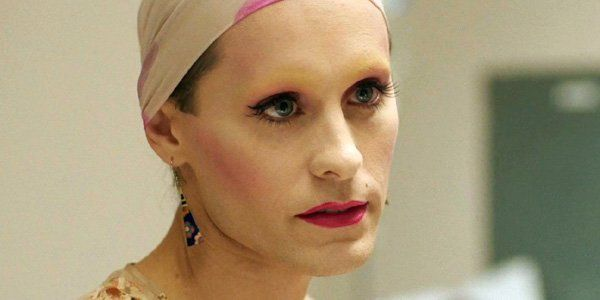
Jared Leto transformed dramatically for his Oscar-winning supporting role as Rayon in Dallas Buyers Club, yet he has never watched the completed film.
Jared Leto won the Academy Award for Best Supporting Actor for his portrayal of Rayon in Dallas Buyers Club (2013). Despite the critical and commercial success, Leto revealed he has not seen the film and had gone more than 20 years without watching any of his own work in full. He last viewed one of his films—Requiem for a Dream—only because director Darren Aronofsky insisted.
Leto’s reasoning centers on his immersive method-acting process. Once he leaves a character behind, he prefers not to revisit it, believing self-criticism would hinder future performances. This discipline has defined his eclectic career across acting and music.
Javier Bardem: The No Country for Old Men Star Who Can’t Stand His Own Voice and Image
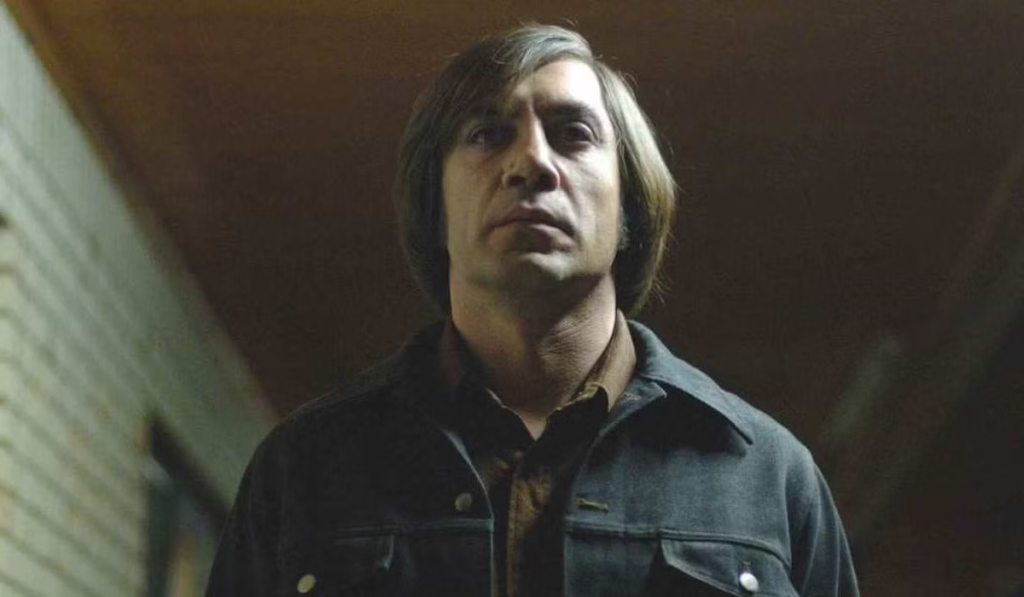
Javier Bardem delivered a chilling Oscar-winning performance as Anton Chigurh in No Country for Old Men but admits he cannot watch himself on screen.
Javier Bardem took home the Oscar for Best Supporting Actor for his terrifying turn as Anton Chigurh in the Coen Brothers’ No Country for Old Men. In a frank 2012 interview, Bardem explained he simply cannot watch his own performances: “I can’t even watch that f****** nose, that f****** voice, those ridiculous eyes. I can’t handle that.”
Bardem distinguishes between the creative process—where he feels free and powerful—and the finished product, where self-awareness becomes unbearable. His honesty underscores how even Oscar-winning actors struggle with the disconnect between their internal experience and the external image projected on screen. Mental Floss compilation of actors who avoid their films.
Other Notable Oscar Winners and Nominees Who Share This Habit
Emma Stone, an Oscar winner for La La Land, has never seen her breakthrough comedy Easy A in its entirety and admits discomfort watching herself. Julianne Moore, a Best Actress winner, has also stated she does not enjoy viewing her completed films. Reese Witherspoon and Nicole Kidman have expressed similar sentiments at various points in their careers.
These examples illustrate that the phenomenon transcends gender, age, and genre. Whether in prestige dramas or blockbuster franchises, the reluctance to watch one’s own work often protects mental well-being and preserves creative instinct.
Reasons Actors Give for Not Watching Their Performances
- Self-Criticism Overload: Actors focus on technical flaws—delivery, appearance, or missed opportunities—rather than the story.
- Method Acting Aftermath: Fully embodying a character makes returning to “self” on screen disorienting and unpleasant.
- Protecting Future Work: Revisiting old roles can create doubt or overthinking that affects new performances.
- Ownership Philosophy: Once filming ends, the movie belongs to the audience and director, not the actor.
Industry experts note that this mindset can be healthy when balanced, preventing burnout while allowing stars to remain present for each new project.
The Broader Impact on Hollywood Culture
When Oscar winners never watched their own movies, it challenges the assumption that success brings unbridled confidence. Instead, it humanizes even the most accomplished performers, showing that vulnerability and self-doubt persist regardless of accolades. This transparency has sparked wider conversations about mental health in the entertainment industry.
Modern support systems—therapists on set, wellness programs, and open dialogue— increasingly address these pressures. Yet the pattern persists because the core challenge of watching oneself with objective eyes remains uniquely difficult for those who create the magic.
Frequently Asked Questions
Why do some Oscar winners never watch their own movies?
Many cite intense self-criticism, discomfort seeing their appearance and voice, or a desire to avoid over-analysis that could harm future performances. It is often a protective mechanism rather than disinterest in the work.
Has Meryl Streep really never watched her Oscar-winning films?
Streep has said she does not revisit her movies and prefers to look ahead. She has confirmed limited or no repeated viewings of even her most acclaimed roles.
Did Jared Leto watch Dallas Buyers Club after winning the Oscar?
No. Leto has publicly stated he has never seen the film for which he won Best Supporting Actor and avoids watching his own work for decades at a time.
What did Javier Bardem say about watching himself on screen?
Bardem described being unable to tolerate his own nose, voice, and eyes in films, though he feels empowered during the actual performance process.
Do all Oscar winners avoid their movies?
No. While several prominent winners admit to the habit, others enjoy occasional viewings or participate in reunions and commentaries. It remains a personal choice.
Does avoiding their films affect an actor’s career?
For many, it appears to have no negative impact and may even support longevity by reducing self-doubt and keeping creative energy fresh for new roles.