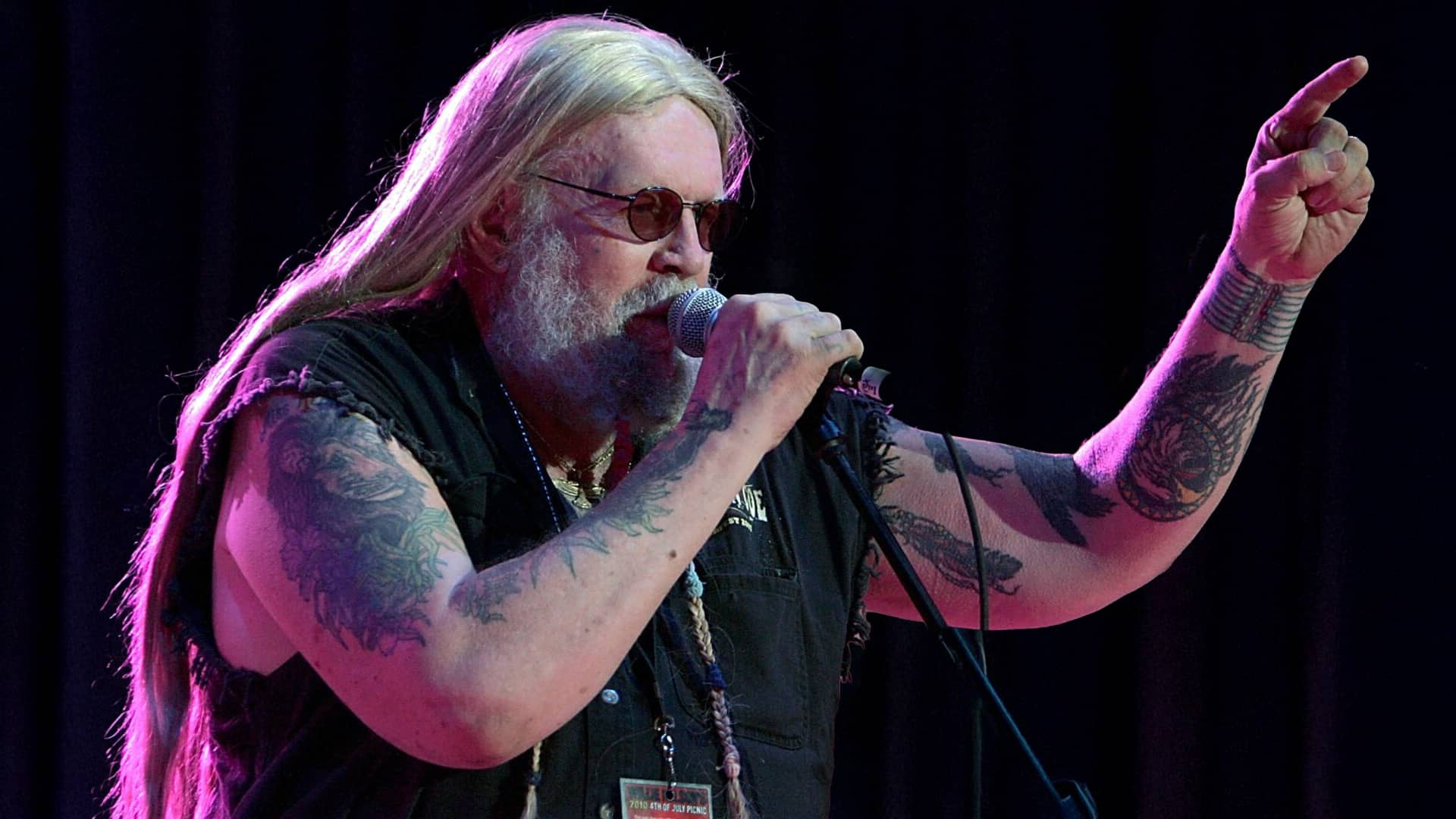
David Allan Coe is one of the most polarizing and compelling figures in the history of American country music. Known for his outlaw persona, gravelly voice, and unapologetic approach to storytelling, Coe carved a career spanning more than five decades — producing anthems that defined a generation while simultaneously courting controversy that threatened to overshadow his musical legacy.
From a childhood spent in reform schools and correctional facilities to performing at the Grand Ole Opry and writing some of Nashville’s most celebrated songs, Coe’s life reads more like a Southern Gothic novel than a standard music biography. This article explores the full arc of his story — the artistry, the fame, and the controversies — giving readers a complete picture of who David Allan Coe truly is.
Early Life and Background
David Allan Coe was born on September 6, 1939, in Akron, Ohio. His early years were marked by instability and hardship. By the time he was nine years old, he had been placed in the Starr Commonwealth for Boys, a reform school in Albion, Michigan. This would be the beginning of a long and troubled relationship with the American correctional system.
Over the next two decades, Coe cycled through juvenile detention centers, reform schools, and eventually adult prisons. He spent significant time at the Ohio State Reformatory and, according to his own accounts, was incarcerated at the Ohio State Penitentiary — a claim he used to build his outlaw mystique, though some of the specifics have been disputed over the years.
It was during these years behind bars that Coe taught himself to play guitar and began developing the raw, honest songwriting voice that would eventually take him to Nashville. Prison, paradoxically, became his music school.
The Road to Nashville
After his release from prison in the early 1960s, Coe made his way to Nashville determined to break into the music industry. Nashville in that era was dominated by the polished “countrypolitan” sound — lush orchestration, smooth production, and radio-friendly sensibilities. Coe was the antithesis of all of it.
His early years in Nashville were unconventional even by the city’s standards. He famously lived on a tour bus parked outside the Ryman Auditorium for an extended period, busking and hustling to get his foot in the door. He eventually signed with Shelby Singleton’s SSS International label, releasing early material that gained cult attention without mainstream crossover.
His persistence paid off when he signed with Columbia Records in 1974. From that point forward, Coe became a fixture of the outlaw country movement — a loose coalition of artists including Willie Nelson, Waylon Jennings, and Kris Kristofferson who rejected Nashville’s corporate structure in favor of raw, self-determined music.
Iconic Songs and Musical Legacy
David Allan Coe’s contributions to country music are extensive, and his songwriting resume alone would secure his legacy regardless of anything else. His ability to write vivid, character-driven narratives made him one of Nashville’s most in-demand tunesmiths — even when radio programmers were reluctant to play his own recordings.
Take This Job and Shove It
Perhaps the most famous song associated with Coe is “Take This Job and Shove It,” which he wrote and Johnny Paycheck recorded in 1977. The song became a massive crossover hit, reaching number one on the country charts and becoming an anthem for the American working class. It was later adapted into a 1981 film of the same name. The song remains one of the most recognized recordings in country music history.
You Never Even Called Me by My Name
Coe also co-wrote “You Never Even Called Me by My Name” with Steve Goodman — a song so perfectly constructed that it was humorously labeled “the perfect country and western song” because it contained every required country music trope: mama, trains, trucks, prison, and getting drunk. Steve Goodman’s recording and Coe’s own version both earned the song legendary status in Americana circles.
The Rides Again Album Era
Coe’s albums throughout the 1970s and 1980s — including The Mysterious Rhinestone Cowboy (1974), Longhaired Redneck (1976), and Texas Moon (1977) — built him a devoted following. His live shows were known for their raw energy, unpredictability, and deep connection with working-class audiences who saw him as an authentic voice of their frustrations and joys.
Mona Lisa Lost Her Smile
In 1984, Coe scored one of his biggest commercial chart successes with “Mona Lisa Lost Her Smile,” which reached the top five on the Billboard country chart. It demonstrated that Coe could produce mainstream hits when he chose to — though mainstream acceptance was never his primary goal.
The Outlaw Persona
Central to understanding David Allan Coe is understanding what the outlaw country identity meant — and how Coe embodied it more literally than almost any of his contemporaries. While Willie Nelson and Waylon Jennings were “outlaw” in the sense that they rejected Nashville’s corporate control, Coe had actual criminal history, which gave his persona an authenticity that was difficult to manufacture.
Coe leaned hard into the imagery: he performed in biker leathers, wore elaborate costumes, rode motorcycles, and cultivated an air of dangerous unpredictability. He claimed, for years, to have been on death row for killing a fellow inmate who had sexually assaulted him — a claim that was never corroborated by prison records and is widely considered part of the mythology he constructed around himself.
Regardless of what was embellished, Coe’s rough edges were real. And his music consistently reflected the experiences of people on the margins — the incarcerated, the divorced, the down-and-out, and the working poor.
Controversies and Criticisms
No honest biography of David Allan Coe can avoid his controversies. They are significant, documented, and have legitimately complicated his legacy.
Racist and Offensive Recordings
In the 1970s and 1980s, Coe recorded a series of underground albums — distributed privately and not through major labels — that contained deeply racist, antisemitic, and sexually explicit content. These recordings, sometimes referred to as his “X-rated” albums, include slurs and content that is indefensible by any standard.
These albums were not mainstream releases, but they circulated widely in certain communities and have been cited repeatedly in discussions of racism in country music. Coe has addressed the recordings inconsistently over the years, at times dismissing them as being made for shock value or for specific audiences, but he has never fully disavowed them.
This aspect of his catalog represents the most serious stain on his legacy and has led many venues, streaming platforms, and radio stations to limit their association with his work in later years.
Personal Life and Legal Issues
Coe has been married multiple times and has spoken publicly about tumultuous personal relationships. He has children from several relationships. His personal life, like his professional life, has been characterized by extremes — periods of great warmth and creativity followed by conflict and chaos.
He faced financial difficulties throughout his career, including IRS disputes and bankruptcy filings, which ultimately led him to lose a property in Tennessee and relocate his later years to a more modest existence. These financial struggles were, to some degree, the result of years of unconventional career management and distrust of the music industry’s business infrastructure.
Health Challenges in Later Years
In the 2010s, Coe faced serious health problems, including reports of multiple sclerosis and other ailments that significantly limited his ability to perform. For a man who had lived his entire life in physical extremes — prisons, highways, and stages — the physical deterioration was a painful final chapter for longtime fans.
Despite health setbacks, Coe continued to perform sporadically and maintained contact with his fan base through social media and occasional live dates.
Cultural Impact and Influence
Despite the controversies, David Allan Coe’s influence on American music is undeniable. He helped define the sound and spirit of outlaw country, paved the way for artists who valued authenticity over commercial polish, and wrote songs that have outlasted trends and radio cycles.
Artists ranging from Kid Rock to Eric Church to Hank Williams III have cited Coe as an influence. His blending of country, blues, and rock sensibilities anticipated the Americana movement by decades. Songs he wrote have been recorded by dozens of artists and continue to appear in film, television, and advertising.
He is also, critically, a reminder that legacy is rarely clean. The best art often comes from the most complicated people — and country music’s relationship with Coe reflects the genre’s broader struggle to reconcile authentic storytelling with accountability for harmful expression.
For those exploring the intersection of music, culture, and controversy, figures like Coe open up broader questions about how society processes complex public figures — questions that appear across domains from entertainment to sports celebrity culture to politics.
David Allan Coe Today
As of the mid-2020s, David Allan Coe has largely retreated from public life. His health limitations have made consistent touring impossible, and the controversies surrounding his underground recordings have reduced his mainstream platform significantly. He remains, however, a figure of significant interest among country music historians, outlaw country enthusiasts, and those studying the complicated relationship between art and the artist.
His recorded catalog — particularly the legitimate commercial releases from the 1970s and 1980s — continues to be streamed, studied, and celebrated. The songs endure even as the man behind them remains one of country music’s most polarizing figures.
Frequently Asked Questions
What is David Allan Coe best known for?
David Allan Coe is best known for writing “Take This Job and Shove It,” recorded by Johnny Paycheck, and co-writing “You Never Even Called Me by My Name.” He is also celebrated for his outlaw country persona and his albums from the 1970s and 1980s that built him a devoted cult following.
Did David Allan Coe actually go to prison?
Yes. Coe spent significant portions of his youth and young adulthood in reform schools and correctional facilities, including time at the Ohio State Reformatory. His claim of having been on death row has never been verified by prison records, and many researchers consider it part of the mythology he cultivated around his outlaw identity.
Why is David Allan Coe controversial?
Coe is controversial primarily because of underground recordings he made in the 1970s and 1980s that contained deeply racist, antisemitic, and sexually explicit content. These recordings were not major label releases but have circulated widely and represent a serious and legitimate criticism of his legacy.
What happened to David Allan Coe?
In his later years, Coe faced significant health challenges, including reported multiple sclerosis, which limited his ability to tour and perform. He also experienced financial difficulties earlier in his career. He largely withdrew from public life in the 2010s and 2020s.
Who are some artists influenced by David Allan Coe?
Artists including Kid Rock, Hank Williams III, Eric Church, and various Americana and outlaw country musicians have cited Coe as a direct influence. His blending of country, rock, and blues elements helped shape a generation of artists who valued grit and authenticity over commercial polish.
Is David Allan Coe still alive?
As of the publication date of this article, David Allan Coe, born September 6, 1939, is in his mid-eighties and has significantly reduced his public activities due to health issues. Readers are encouraged to consult current news sources for the most up-to-date information on his status.