



Although many analysts predicted higher volatility, worldwide capital markets have shown remarkable adaptability in the face of economic uncertainty. Moreover, shifting investor behavior and strategic asset allocation are helping markets absorb multiple headwinds, including inflation concerns and geopolitical risks.
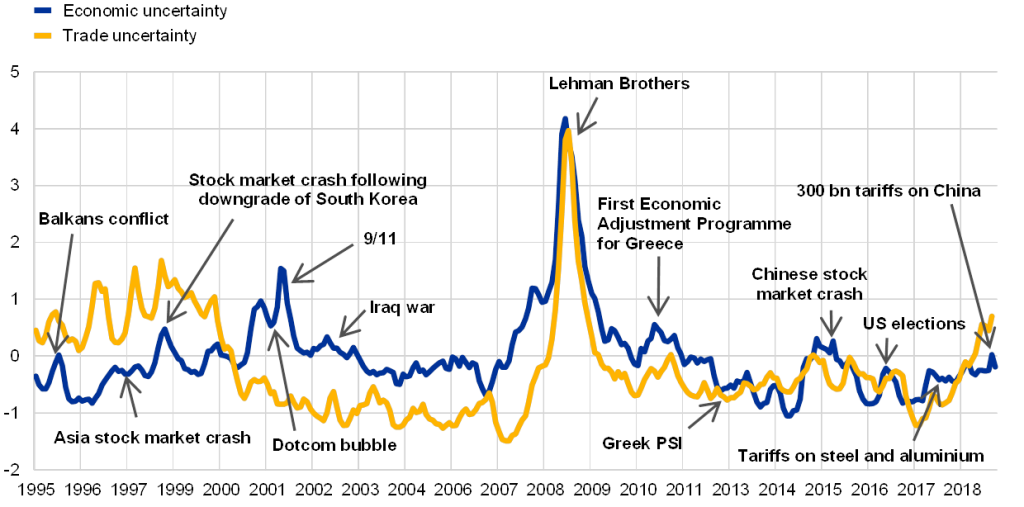
Capital markets navigating economic uncertainty through diversification and selective investing in 2026.
Equity Markets: Selective Optimism Amid Volatility
Equity markets remain cautiously constructive despite uncertainty. Furthermore, the ongoing AI supercycle continues to support technology and related sectors, even as broader valuations appear elevated. Consequently, investors are favoring high-quality companies with strong earnings growth over speculative plays.
On the other hand, regional divergences are pronounced. While U.S. markets benefit from innovation-driven growth, many emerging and European markets are focusing on resilience and undervalued opportunities.
Bond Markets: Mixed Signals and Higher Yields
Bond markets have been particularly sensitive to economic uncertainty. Although central banks have eased policy, long-term yields remain elevated due to fiscal concerns and inflation risks. In addition, investors are demanding higher risk premiums, leading to a more normalized yield environment.

Bond markets balancing income generation with inflation and policy risks in 2026.
The Rise of Private Credit and Alternative Assets
Meanwhile, private credit has experienced strong demand as investors seek higher yields in uncertain times. Because traditional fixed income offers limited upside in some scenarios, capital is flowing toward private markets for better risk-adjusted returns and income stability.
Additionally, gold and other real assets are gaining traction as hedges against inflation and geopolitical shocks.
Key Investor Strategies in Uncertain Times
Furthermore, successful investors are adopting several approaches:
- Increasing portfolio diversification across regions and asset classes
- Focusing on quality and cash flow-generating investments
- Maintaining higher cash buffers for opportunistic buying
- Using alternatives for better downside protection
Did you know that building personal financial resilience is crucial during market uncertainty? Learning how beginners start investing in Africa provides a strong foundation for navigating global volatility.
In conclusion, worldwide capital markets are responding to economic uncertainty with a mix of caution and opportunity-seeking behavior. Although challenges persist, disciplined investors who prioritize diversification, quality, and long-term perspectives remain well-positioned to weather volatility and benefit from eventual stabilization.
Ready to strengthen your portfolio? Review your current allocations and consider how these market dynamics align with your risk tolerance and goals. Share this analysis with fellow investors navigating today’s uncertain environment.
Related: Understanding broader financial trends supports better decision-making. Explore Global Capital Markets in 2026 for deeper insights.
FAQ
How are stock markets performing amid 2026 uncertainty?
Markets remain resilient with selective strength in AI and quality sectors, though volatility is elevated and corrections are possible.
Are bond markets offering good opportunities in 2026?
Yes, particularly for income generation, although higher yields reflect ongoing inflation and fiscal concerns.
What role does private credit play during uncertainty?
Private credit provides attractive yields and diversification as investors move away from traditional fixed income in certain environments.
Which assets perform best during economic uncertainty?
Quality equities, gold, certain alternatives, and defensive sectors typically offer better protection and opportunities.
Should investors reduce risk in 2026?
Not necessarily. Instead, focus on strategic diversification and quality rather than completely avoiding risk assets.