

Although developed markets have long dominated global portfolios, emerging markets are gaining significant traction in 2026. Moreover, attractive valuations, rapid technological adoption, and higher growth potential are prompting many investors to reconsider the classic emerging markets vs developed markets allocation debate.
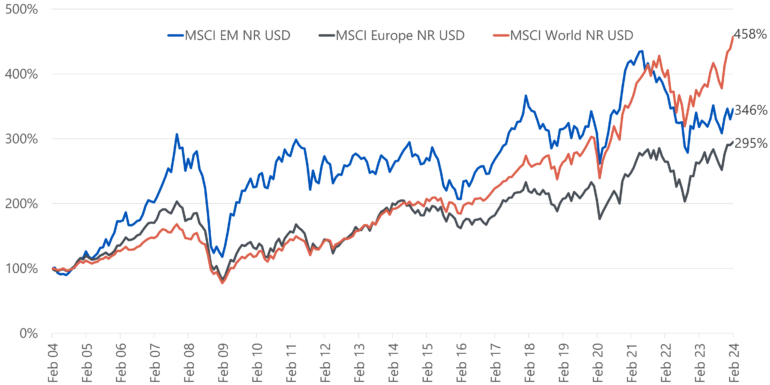
Performance comparison between emerging and developed markets in 2026.
Key Differences: Emerging vs Developed Markets
Developed markets (US, Europe, Japan, etc.) feature mature economies, strong rule of law, and deep financial systems. In contrast, emerging markets (India, China, Brazil, Nigeria, Kenya, etc.) offer higher growth potential but come with elevated volatility and political risks.
Performance Comparison in 2026
So far this year, several emerging markets have outperformed developed peers. Furthermore, India and select Southeast Asian markets have benefited from strong domestic consumption and AI-related investments. Meanwhile, the US market continues to lead in technology and innovation, although valuations remain high.
On the other hand, many European developed markets have lagged due to energy concerns and slower growth.
Why Investors Are Shifting Toward Emerging Markets
- Higher GDP growth forecasts
- More attractive valuations and dividend yields
- Benefiting from AI and digital economy expansion
- Commodity boom supporting resource-rich economies
- Improving corporate governance in key countries
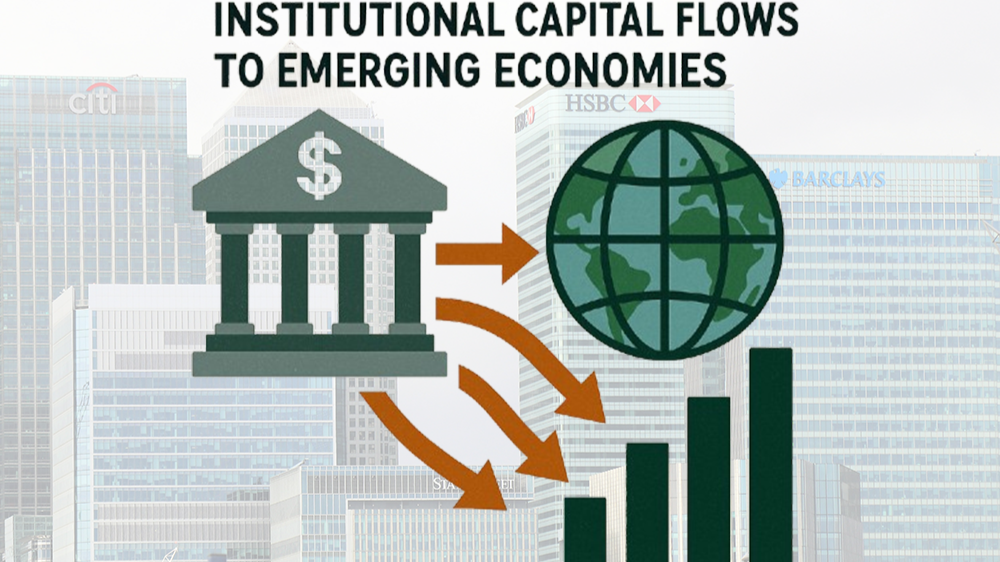
Capital is increasingly flowing into select emerging markets in 2026.
Risks to Consider
However, emerging markets still carry higher risks including currency fluctuations, political instability, and regulatory changes. Therefore, successful investors are using diversified approaches and focusing on quality companies with strong fundamentals.
Sector Opportunities in 2026
Furthermore, technology, renewable energy, fintech, and consumer sectors in emerging markets are drawing significant attention. In developed markets, AI infrastructure, healthcare, and defense remain dominant themes.
Did you know that African investors can participate in both markets? Learning how beginners start investing in Africa is a smart way to begin building a global portfolio.
In conclusion, the choice between emerging markets vs developed markets in 2026 ultimately depends on your risk tolerance and investment horizon. While developed markets offer stability, emerging markets provide higher growth potential for those willing to accept volatility. The smartest strategy remains a balanced, well-diversified portfolio that captures opportunities in both worlds.
Ready to optimize your portfolio? Assess your current allocation between emerging and developed markets and consider professional advice tailored to your goals. Share this guide with fellow investors!
Related: For broader context, read The Future of Global Capital Markets.
FAQ
Which is better in 2026: Emerging or Developed Markets?
It depends on goals. Emerging markets offer higher growth potential while developed markets provide more stability.
Are investors moving money into emerging markets in 2026?
Yes. Selective capital is flowing into high-growth emerging economies like India, Vietnam, and parts of Africa.
What are the main risks of investing in emerging markets?
Currency risk, political instability, and lower liquidity are the primary concerns.
Should beginners invest in emerging markets?
Beginners should start with diversified ETFs or mutual funds rather than individual country stocks.
Which sectors perform best in emerging markets?
Technology, fintech, renewable energy, and consumer goods are currently leading in many emerging economies.