
How to start a logistics business in Kenya requires careful planning, regulatory compliance, and understanding of the fast-growing transport sector. With improving roads, expanding e-commerce, and increased trade, the industry offers strong potential for trucking, last-mile delivery, warehousing, and freight services.
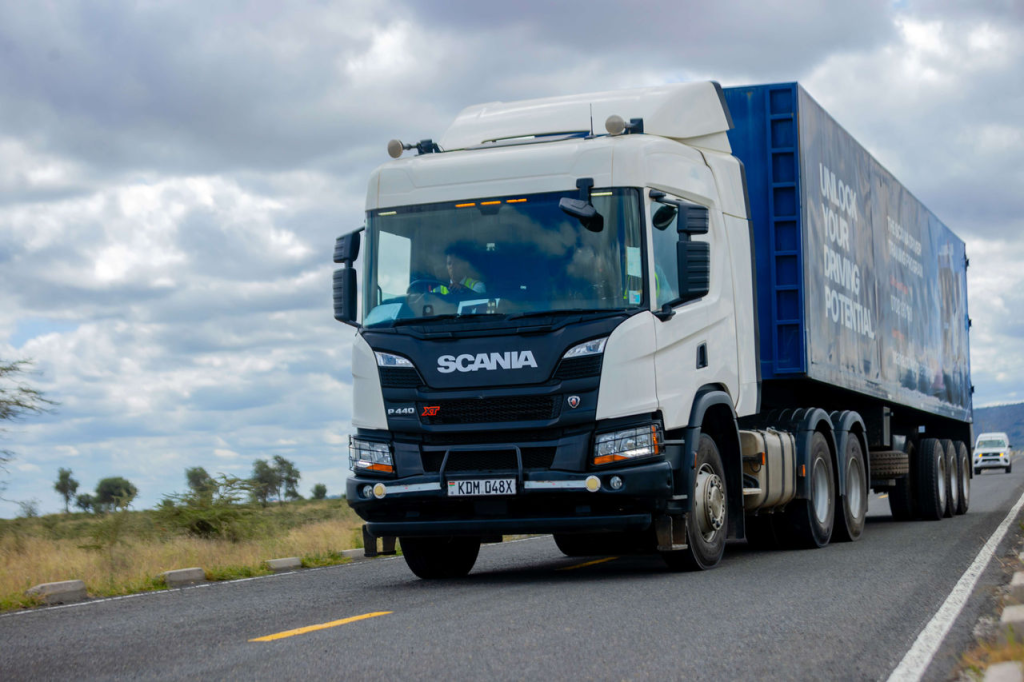
Kenya’s developing transport infrastructure creates opportunities for logistics entrepreneurs.
Why the Logistics Sector in Kenya is Promising in 2026
Kenya serves as East Africa’s logistics hub thanks to the Port of Mombasa, Standard Gauge Railway, and major road projects. Demand for reliable transport of goods, agricultural produce, and e-commerce deliveries continues to rise. Both small courier services and large trucking operations can thrive with proper execution.
Step-by-Step Guide to Starting Your Logistics Business
1. Conduct Market Research and Choose a Niche
Identify opportunities in last-mile delivery, cross-border transport, cold chain logistics, or general cargo trucking. Analyze demand in Nairobi, Mombasa, Kisumu, and along key corridors.
2. Develop a Business Plan
Define services, target clients, pricing, fleet requirements, and financial projections. Include marketing and risk management strategies.
3. Register Your Business
Register a company or sole proprietorship through the Business Registration Service (BRS) via eCitizen. Obtain a KRA PIN and comply with tax obligations.
4. Secure Necessary Licenses and Permits
Key requirements include:
- National Transport and Safety Authority (NTSA) Commercial Operator Licence for fleet operations.
- Vehicle registration and inspection certificates.
- Insurance for commercial vehicles.
- For freight forwarding: Customs Agent License from KRA and membership with KIFWA.
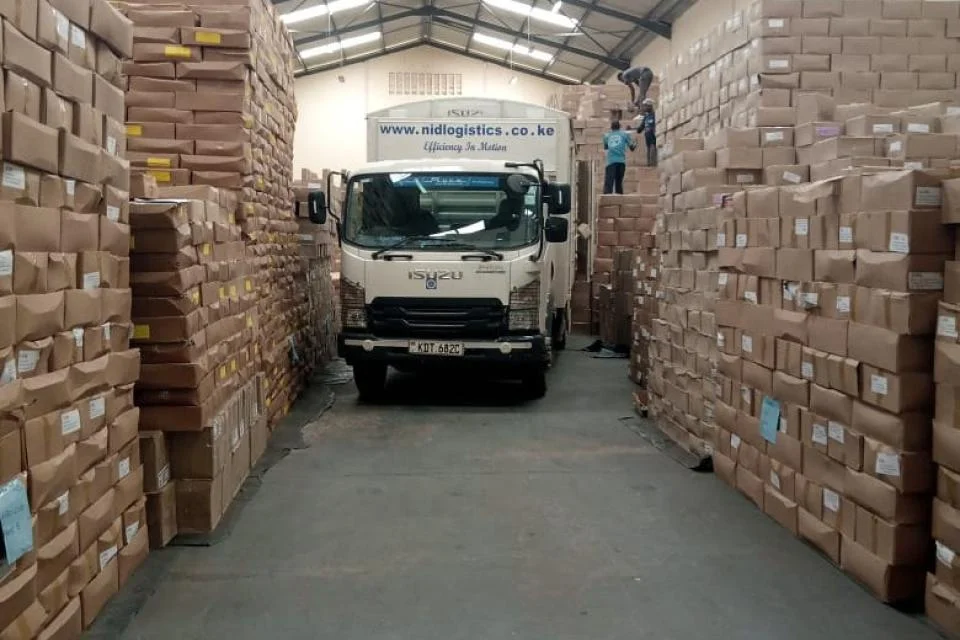
A well-organized warehouse is essential for efficient logistics operations in Kenya.
5. Acquire Vehicles and Equipment
Start small with motorcycles or light trucks for delivery, or invest in heavy trucks for cargo. Ensure vehicles meet NTSA safety and inspection standards.
6. Set Up Operations and Technology
Secure office/warehouse space, implement tracking software, and build a reliable driver network. Digital tools for route optimization and customer management give a competitive edge.
Estimated Startup Costs in 2026
- Business registration and licenses: KES 50,000 – 300,000
- Vehicle acquisition (used truck): KES 1.5M – 8M+
- Insurance and permits: KES 200,000 – 500,000 initially
- Office/warehouse setup and marketing: KES 300,000 – 2M
Regulatory Compliance and Challenges
Comply with NTSA commercial vehicle regulations, road safety rules, and KRA customs requirements. Common challenges include fuel costs, traffic, and competition. Focus on reliability, technology, and strong customer relationships to succeed.
Frequently Asked Questions
How much does it cost to start a logistics business in Kenya?
Costs vary widely — from KES 500,000 for a small courier operation to several millions for a trucking company, depending on fleet size.
What licenses are needed for a transport business in Kenya?
NTSA Commercial Operator Licence, vehicle inspections, commercial insurance, and KRA PIN are essential. Freight forwarders need additional KRA and KIFWA approvals.
Is the logistics sector profitable in Kenya?
Yes, especially with growing e-commerce and trade. Success depends on efficient operations, route knowledge, and building long-term client contracts.
Can foreigners start a logistics company in Kenya?
Yes, through a locally registered company. Certain restrictions on land and specific licenses may apply.
What vehicles are best for starting a trucking business?
Begin with reliable used Isuzu or similar light/medium trucks before scaling to heavier articulated vehicles.
Build a Thriving Logistics Business
Starting a logistics business in Kenya in 2026 is achievable with thorough preparation and adherence to regulations. Focus on compliance, customer service, and innovation to stand out. The sector’s growth trajectory makes it an excellent time to enter and scale your transport operations successfully.