

China remains the top destination for global businesses seeking high-quality, affordable products. With vast wholesale ecosystems, finding the right locations is key to efficient sourcing and strong margins.
Why Source Goods from China?
China dominates global manufacturing with efficient supply chains, advanced infrastructure, and diverse product categories. Businesses benefit from direct factory access, competitive pricing, and customization options that are hard to match elsewhere.
Whether you’re a startup or established importer, understanding key hubs helps minimize costs and maximize quality. This pillar guide covers the most important physical markets and strategies.
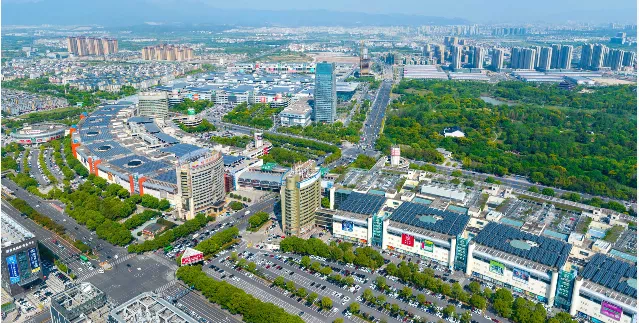
Yiwu International Trade City – the world’s largest small commodities wholesale market.
Yiwu International Trade City: The Small Commodities Powerhouse
Yiwu, in Zhejiang Province, hosts the world’s largest wholesale market for small commodities. Spanning over 6.4 million square meters with 75,000+ booths, it offers more than 2.1 million products across 26 categories.
District Breakdown:
- District 1: Artificial flowers, toys, jewelry, crafts.
- District 2: Hardware, tools, electrical items, luggage, watches.
- District 3-5: Home goods, apparel, vehicles, and more specialized items.
Ideal for low MOQ orders and mixed containers, Yiwu suits small to medium businesses. Many suppliers accept small trial orders, making it beginner-friendly.
Learn more about Yiwu sourcing strategies here – a must-read for first-time visitors planning efficient market trips.
Guangzhou Wholesale Markets: Fashion, Textiles & More
Guangzhou (Canton) excels in fashion, clothing, leather goods, cosmetics, and consumer products. Markets like Baima Clothing Wholesale Market, Shahe, and Zhongda Textile City offer vast selections.
Key spots include Xingfa Plaza for beauty products and Guihuagang for leather. The city’s proximity to factories enables quick customization and competitive pricing for apparel and accessories businesses.
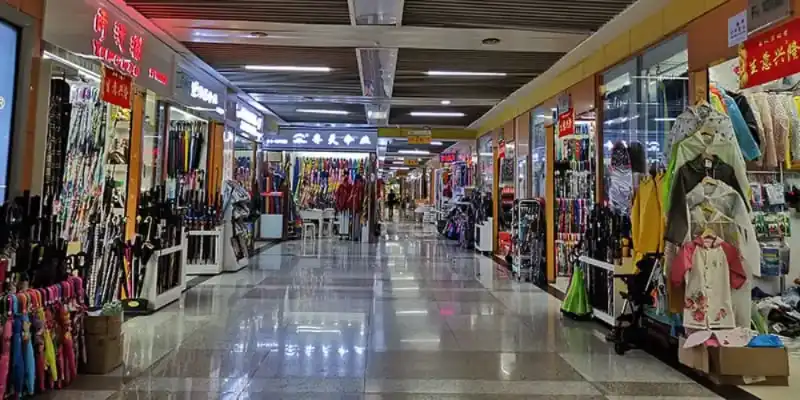
Guangzhou’s vibrant wholesale districts for fashion and textiles.
Explore our China sourcing services for guided visits to Guangzhou markets.
Shenzhen: Electronics & Tech Gadgets Hub
Shenzhen’s Huaqiangbei Electronics Market is the world’s largest electronics sourcing destination. With dozens of specialized malls, it covers phones, components, accessories, smart devices, and more.
SEG Plaza and surrounding areas allow buyers to see prototypes, negotiate directly, and source cutting-edge tech. Shenzhen is perfect for electronics businesses seeking innovation and volume deals.
Other Notable Sourcing Cities in China
Shanghai and Ningbo
Strong in machinery, high-end goods, and logistics. Excellent port access for large shipments.
Dongguan and Foshan
Furniture, hardware, and manufacturing clusters with factory-direct opportunities.
Read our full China import logistics guide.
Online Platforms Complementing Physical Markets
Combine in-person visits with platforms like Alibaba, 1688.com, Made-in-China, and Global Sources for research and follow-up orders.
Alibaba – Verified suppliers and trade assurance.
Global Sources – Focus on quality manufacturers.
Practical Tips for Buying Goods in China
- Research products and suppliers in advance using online directories.
- Plan visits during off-peak seasons for better negotiations.
- Bring a translator or use sourcing agents for language barriers.
- Verify quality with samples and factory audits.
- Understand payment terms, MOQs, and shipping options.
- Factor in tariffs, logistics, and compliance (e.g., via World Bank trade resources).
Download our free sourcing checklist.
According to trade data, efficient sourcing can reduce costs by 20-40% compared to indirect channels.
Frequently Asked Questions
What are the best places to buy goods in China for your business?
Yiwu for small commodities, Guangzhou for fashion and consumer goods, and Shenzhen for electronics are among the top choices depending on your product category.
Is it better to visit markets in person or buy online?
In-person visits build relationships and allow quality checks, while online platforms like Alibaba are great for initial research and repeat orders.
How do I negotiate better prices in Chinese wholesale markets?
Build rapport, buy in volume, compare multiple suppliers, and be prepared to walk away. Starting with small orders helps test reliability.
What documents and visas do I need for sourcing trips?
A business visa (F or M type) is typically required. Consult official Chinese embassy resources for updates.
Are there risks when sourcing from China?
Common risks include quality issues and communication gaps. Mitigate them with due diligence, samples, and escrow payments.
Which city is best for low MOQ orders?
Yiwu International Trade City stands out for flexible minimum order quantities suitable for startups.
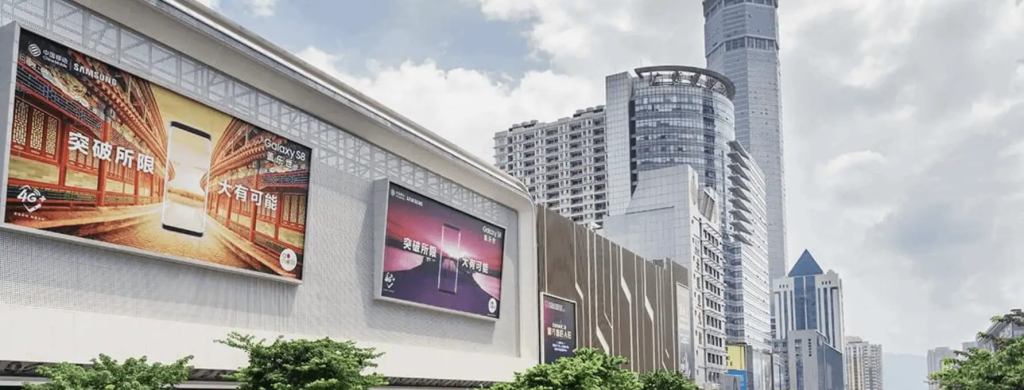
Huaqiangbei in Shenzhen – electronics sourcing paradise.
Use our supplier verification tools to streamline your next sourcing trip.