



The complete guide to stock market investing provides essential knowledge for anyone looking to build wealth through equities. Whether you’re a beginner or seeking to refine your approach, understanding stock market investing fundamentals empowers you to make informed decisions in a dynamic financial landscape.
This pillar resource breaks down key concepts, practical steps, proven strategies, and common pitfalls, helping you navigate from opening your first account to managing a diversified portfolio for long-term growth.
Understanding the Basics of the Stock Market
Stock market investing involves buying and selling shares of publicly traded companies. When you purchase a stock, you own a small piece of that company and potentially benefit from its growth through price appreciation and dividends.
The stock market operates through exchanges like the New York Stock Exchange (NYSE) and Nasdaq, where buyers and sellers meet to determine prices based on supply and demand.
Major indices such as the S&P 500, Dow Jones Industrial Average, and Nasdaq Composite track overall market performance, providing benchmarks for investors.

Why Invest in the Stock Market?
Historically, stocks have outperformed other asset classes over long periods, offering the potential for significant wealth creation through compounding returns.
Stock market investing helps beat inflation, provides passive income via dividends, and supports financial goals like retirement or education funding.
Unlike savings accounts, stocks offer ownership in real businesses, allowing participation in economic growth.
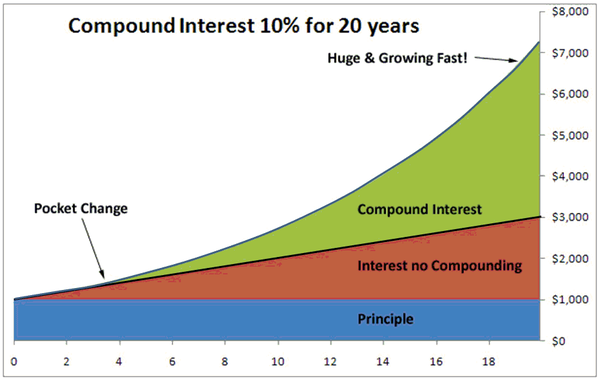
The Power of Compound Interest
Compound interest accelerates wealth building by earning returns on both principal and previous gains. Starting early maximizes this effect.
Getting Started: Step-by-Step Guide
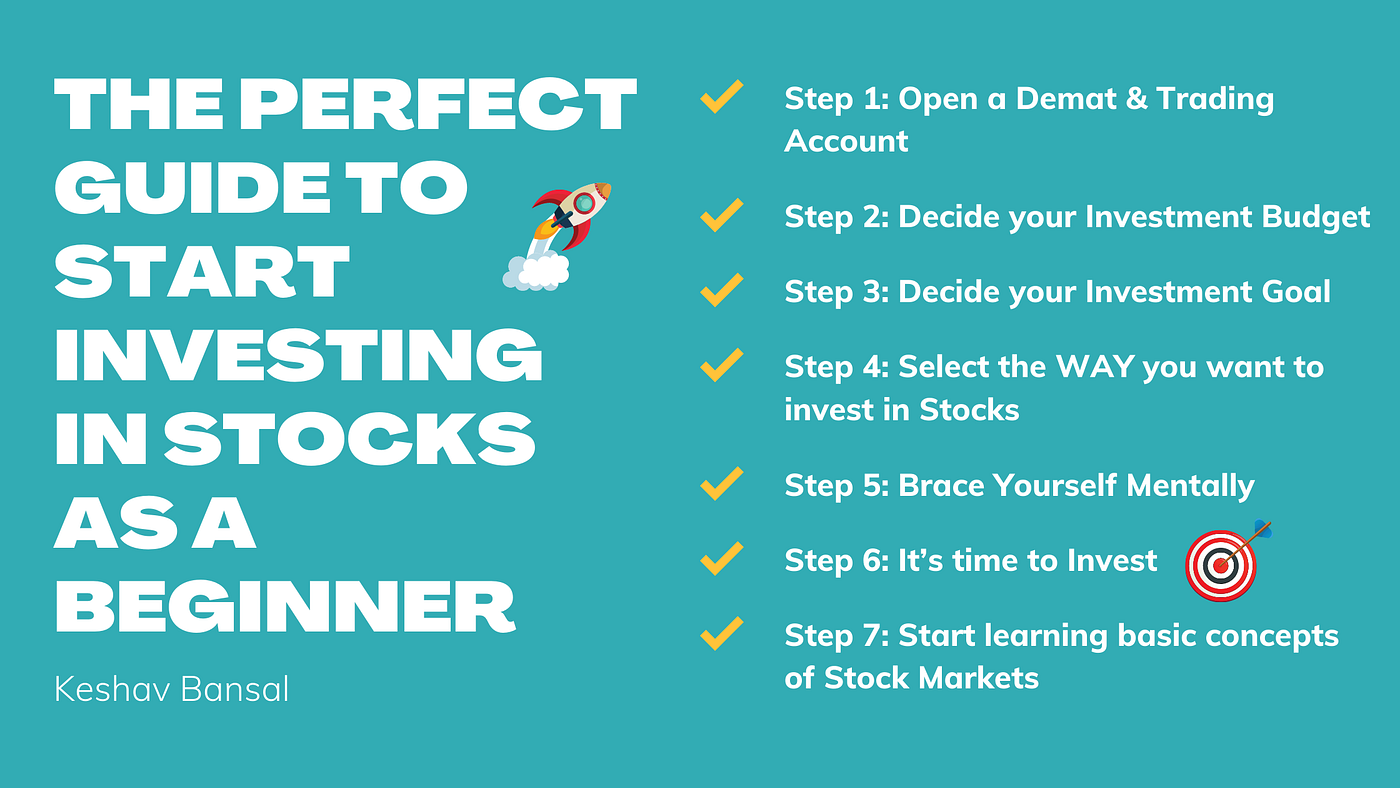
- Set clear financial goals: Define objectives like retirement, home purchase, or wealth building, along with timelines.
- Build an emergency fund: Save 3-6 months of expenses in liquid accounts before investing.
- Educate yourself: Learn key terms and concepts through reputable resources.
- Choose a brokerage account: Select online brokers based on fees, tools, and ease of use.
- Fund your account: Transfer money and start with amounts you can afford to invest long-term.
- Make your first investment: Begin with index funds or ETFs for instant diversification.
For beginner-friendly education, visit the official Introduction to Investing on Investor.gov from the U.S. Securities and Exchange Commission.
Types of Investments in the Stock Market
Individual Stocks
Buying shares of single companies offers high potential rewards but increased risk due to company-specific events.
Exchange-Traded Funds (ETFs)
ETFs track indices, sectors, or commodities and trade like stocks, providing low-cost diversification.
Mutual Funds
Professionally managed pools of stocks offer diversification but often higher fees than ETFs.
Index Funds
Passive funds mirroring market indices deliver broad exposure with minimal management costs.
Key Strategies for Successful Investing
Buy and Hold
Purchase quality investments and retain them long-term, ignoring short-term fluctuations.
Value Investing
Seek undervalued stocks trading below intrinsic worth, as popularized by Warren Buffett.
Growth Investing
Focus on companies with above-average earnings growth potential.
Dollar-Cost Averaging
Invest fixed amounts regularly to reduce the impact of volatility.

Building and Managing Your Portfolio
Diversification spreads risk across asset classes, sectors, and geographies. Asset allocation should align with age, risk tolerance, and goals.
Younger investors often favor higher stock allocations for growth, while those nearing retirement shift toward bonds.
Regularly rebalance to maintain target allocations and review performance annually.
Explore portfolio diversification guide for detailed allocation models and examples.
Use investment calculator tools to project growth based on different scenarios.
Risks and How to Manage Them
Market risk affects all stocks during downturns. Company-specific risk impacts individual holdings.

Inflation risk erodes purchasing power, while interest rate changes influence stock valuations.
Emotional risks like panic selling can derail plans—stick to disciplined strategies.
Diversification, long-term perspective, and quality investments mitigate most risks.
Understanding Bull and Bear Markets
Bull markets feature rising prices and optimism, while bear markets involve 20%+ declines and pessimism. Both are normal cycles.
Fundamental vs. Technical Analysis
Fundamental analysis evaluates company financials, management, and industry position through metrics like P/E ratio, earnings growth, and balance sheets.
Technical analysis studies price patterns and volume using charts to predict movements.
Many successful investors combine both approaches.

Check our stock analysis tools resource for recommended platforms and indicators.
Read real-world examples in our blog on successful investors.
For in-depth research guidance, see Researching Investments on Investor.gov.
Learn asset allocation basics from the SEC’s Beginners’ Guide to Asset Allocation, Diversification, and Rebalancing.
Understand stock basics via Stocks FAQs on Investor.gov.
Advanced Topics for Experienced Investors
Options and margin trading offer leverage but increase risk significantly.
Tax-efficient strategies include using retirement accounts like 401(k)s and IRAs.
ESG investing incorporates environmental, social, and governance factors.
Consult our advanced investment strategies section for options trading basics and tax optimization tips.
Stay updated with our market analysis blog featuring weekly insights.
Frequently Asked Questions
How much money do I need to start stock market investing?
Many brokers allow starting with $0-$100 thanks to fractional shares and no-minimum accounts. Focus on consistent contributions over initial amount.
Is stock market investing gambling?
No—investing involves research and ownership in businesses, while gambling relies on chance. Long-term investing has historically rewarded patience.
How long should I hold investments?
Most experts recommend 5-10 years minimum to weather volatility and capture market growth.
What are the best stocks for beginners?
Beginners benefit from broad index ETFs like those tracking the S&P 500 rather than individual stocks.
How do I avoid common investing mistakes?
Avoid timing the market, chasing hot tips, and emotional decisions. Stick to a written plan and diversify.
Can I lose all my money in the stock market?
Individual stocks can go to zero, but diversified portfolios rarely lose everything. Proper risk management limits severe losses.
Stock market investing offers a proven path to financial independence when approached with education, discipline, and patience. Start small, learn continuously, and let time work in your favor through consistent, informed action.