



AI Investment Strategies Resource
AI investment strategies are essential for navigating the dynamic artificial intelligence sector, where innovation drives substantial growth opportunities alongside notable volatility. As of late 2025, the AI market continues to expand rapidly, with private investments surging and major companies advancing infrastructure.
This comprehensive resource explores proven AI investment strategies, including stock selection, diversification techniques, risk assessment, and emerging trends for 2026, equipping investors with practical tools to capitalize on AI’s transformative potential.
Current State of AI Investments in Late 2025
The artificial intelligence sector remains a focal point for investors despite recent market corrections. As of December 2025, AI-related stocks have experienced volatility, with concerns over valuations and return timelines prompting sell-offs in key names.
However, underlying fundamentals show resilience. Private AI investment reached record highs in 2024, and corporate spending on AI infrastructure continues unabated, signaling long-term commitment.
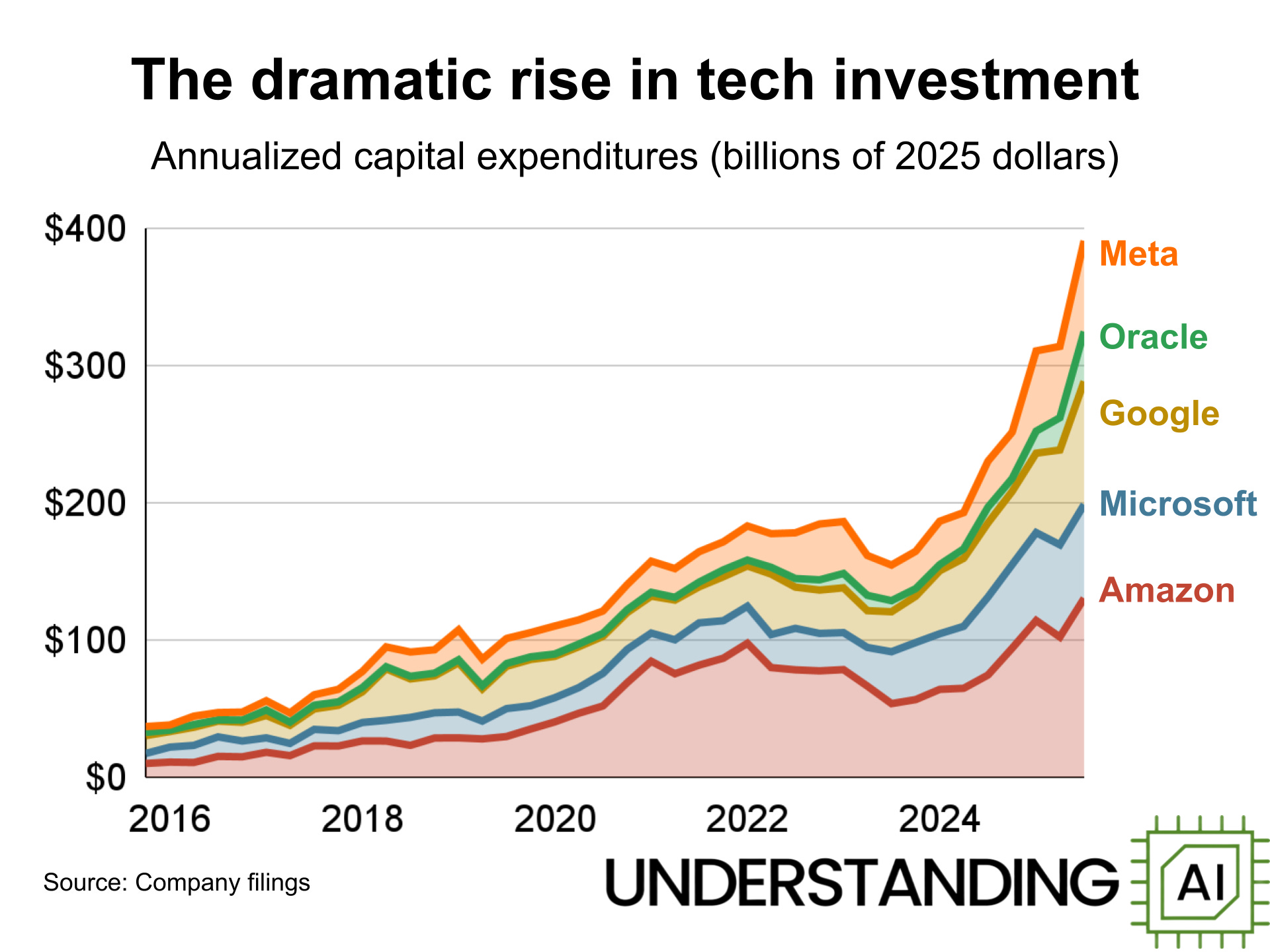
Major hyperscalers are projecting massive capital expenditures into 2026, driven by demand for advanced models and data center expansion.
Why Invest in AI Now?
AI is poised to reshape industries, boosting productivity and creating new revenue streams. Historical data shows technology revolutions deliver outsized returns for early adopters.
Market forecasts indicate the global AI sector could exceed $600 billion by 2026, with applications spanning healthcare, finance, and manufacturing.
For detailed projections, review the Stanford AI Index 2025 Report, which tracks performance benchmarks and investment flows.

Core AI Investment Strategies
Diversification Across the AI Ecosystem
Avoid concentration risk by spreading investments across infrastructure providers, software platforms, and application companies.
- Infrastructure: Chips and data centers (e.g., semiconductors).
- Platforms: Cloud services and foundational models.
- Applications: Industry-specific AI solutions.

Long-Term Horizon with Dollar-Cost Averaging
AI development cycles are multi-year. Commit to holding positions through volatility and invest fixed amounts regularly to average entry prices.
Focus on Fundamentals
Prioritize companies with proven revenue growth from AI, strong moats, and reasonable valuations relative to earnings potential.
Top AI Stocks and Categories for 2026
Semiconductor Leaders
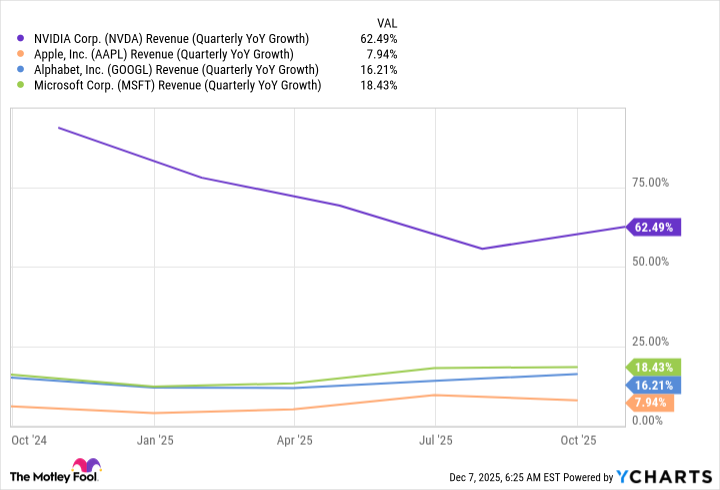
Nvidia dominates AI accelerators, with its Blackwell platform seeing overwhelming demand. Competitors like AMD are gaining traction with cost-effective alternatives.
Cloud Hyperscalers
Microsoft, Amazon, and Alphabet integrate AI deeply into cloud services, benefiting from recurring enterprise spending.
Software and Platforms
Companies like Palantir offer enterprise AI deployment tools, while emerging names focus on specialized applications.
ETFs for Broad Exposure
Consider AI-themed ETFs for instant diversification without stock-picking.
Explore our complete guide to stock market investing for foundational principles applicable to AI.
Dive into portfolio diversification tools to model AI allocations.
Review market analysis blog for ongoing AI sector updates.
Access stock charts resources for technical views on top AI names.
Utilize investment calculator tools to forecast AI portfolio growth.
Check advanced strategies for options in volatile AI stocks.
For authoritative data, see the McKinsey Technology Trends Outlook 2025.
Read Motley Fool’s Best AI Stocks 2025 analysis.
Track trends via CNBC Technology coverage.

Risk Management in AI Investing
AI stocks face unique risks: high valuations, regulatory scrutiny, and competition intensity.
- Monitor capital expenditure sustainability.
- Watch for signs of ROI delays in enterprise adoption.
- Hedge with broader market exposure.
- Set stop-losses or rebalance thresholds.
Recent corrections highlight the need for disciplined approaches amid hype cycles.
Emerging Trends for 2026
Agentic AI, energy-efficient models, and multimodal systems are gaining traction. Infrastructure bottlenecks may ease with new chip releases.
Enterprise spending is expected to accelerate as tangible benefits materialize.
Frequently Asked Questions
What are the best AI investment strategies for beginners?
Start with diversified ETFs, use dollar-cost averaging, and focus on established leaders like Nvidia and Microsoft for core holdings.
Is now a good time to invest in AI stocks amid 2025 volatility?
Corrections often create entry points; long-term outlook remains positive if fundamentals align with valuations.
How do I diversify my AI investments?
Allocate across semiconductors, cloud providers, software platforms, and thematic ETFs to mitigate single-stock risk.
What risks should I watch in AI investing?
Key risks include overvaluation, delayed monetization, regulatory changes, and intense competition among providers.
Which AI stocks have strong 2026 potential?
Analysts favor Nvidia for hardware dominance, Microsoft and Alphabet for cloud integration, and AMD for competitive positioning.
Should I use ETFs or individual stocks for AI exposure?
ETFs suit beginners for broad exposure; experienced investors may select individual stocks for higher potential returns.
Effective AI investment strategies combine thorough research, diversification, and patience. By aligning positions with long-term trends while managing risks, investors can position portfolios to benefit from AI’s ongoing evolution into 2026 and beyond.