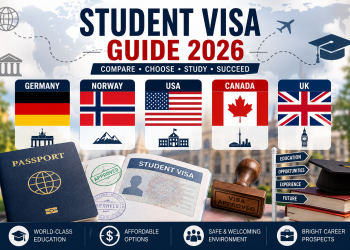



In 2025, free tuition universities in Europe remain a beacon for international students pursuing world-class education without financial strain. These institutions, primarily in Germany and Norway, eliminate tuition fees for all students, including those from outside the EU, charging only minimal administrative costs. This model democratizes access to higher learning, fostering diverse campuses and innovative research environments.
Beyond cost savings, these universities provide English-taught programs, robust support services, and opportunities for part-time work. With Europe’s rich cultural tapestry and strong job markets, studying here equips graduates for global careers while keeping debt low.
Why Choose Free Tuition Universities in Europe?
Europe’s commitment to accessible education makes it an ideal destination for international students. In countries like Germany and Norway, public universities waive tuition fees entirely, regardless of nationality. This policy stems from a belief in education as a public good, allowing talented individuals worldwide to thrive academically.
Students benefit from high academic standards, cutting-edge facilities, and multicultural communities. While living expenses vary—averaging €800-€1,200 monthly—many universities offer scholarships, housing assistance, and job placement services. English-language programs are increasingly common, easing the transition for non-native speakers.
Real-world examples abound: A student from India might pursue engineering in Germany, gaining hands-on experience through industry partnerships, or a Brazilian learner could study environmental science in Norway, leveraging the country’s sustainability focus.
The Top 10 Free Tuition Universities
1. Technical University of Munich (TUM), Germany
The Technical University of Munich stands out as a leader in STEM fields, ranking among Europe’s top technical institutions. Founded in 1868, TUM emphasizes innovation, research, and interdisciplinary studies, with over 45,000 students including a significant international cohort.
International students enjoy tuition-free education, paying only a semester fee of about €150 for student services and public transport. Popular programs include mechanical engineering, computer science, and biotechnology, many offered in English. Admission requires strong academic records, language proficiency (TOEFL/IELTS for English programs), and sometimes aptitude tests.
For instance, TUM’s partnerships with companies like BMW provide internships, enhancing employability. The campus in Munich offers vibrant city life, with affordable housing options through university dorms.
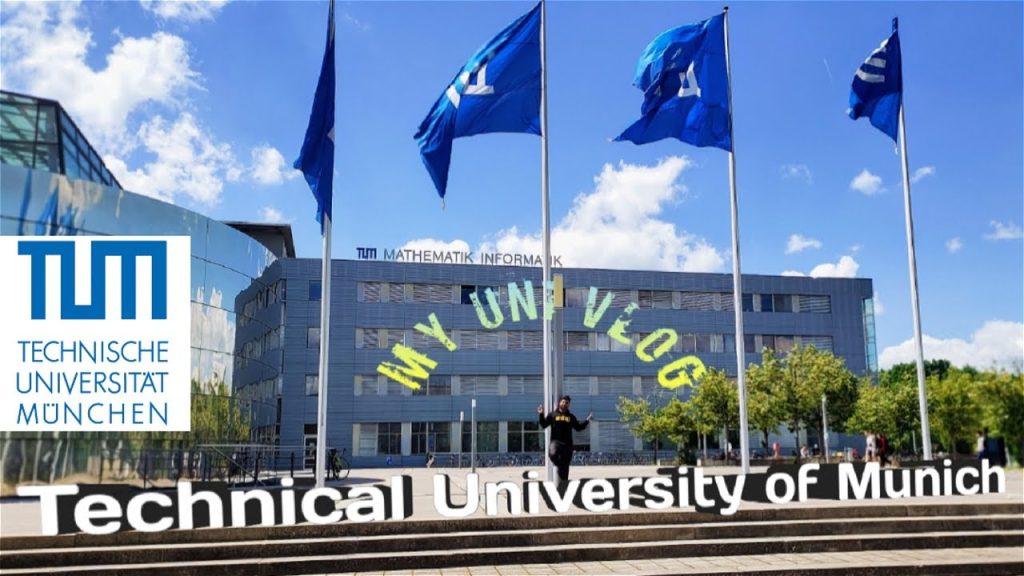
The iconic campus of Technical University of Munich, featuring modern architecture and innovative spaces.
To learn more about study in Germany requirements, explore essential pathways for your application.
Visit TUM’s official website for program details.
2. Ludwig Maximilian University of Munich (LMU), Germany
LMU Munich, established in 1472, is one of Germany’s oldest and most prestigious universities, excelling in humanities, social sciences, and natural sciences. With around 50,000 students, it fosters a research-intensive environment and hosts numerous Nobel laureates.
No tuition fees apply; students cover a €150 semester contribution. English-taught master’s programs in areas like psychology, economics, and physics attract global applicants. Requirements include a relevant bachelor’s degree, CV, motivation letter, and proof of language skills.
An example: International students often join LMU’s exchange programs with institutions worldwide, building networks. Munich’s cultural scene and job opportunities in tech and finance add value.
For detailed study in Germany requirements, check out this guide to navigate the process smoothly.
3. Free University of Berlin, Germany
Founded in 1948, the Free University of Berlin is renowned for its social sciences, humanities, and political studies, emphasizing academic freedom and critical thinking. It enrolls over 30,000 students, with a third being international.
Tuition is free, with a semester fee of approximately €310 including transit pass. Programs in international relations, biology, and law are available in English. Admission involves submitting transcripts, language certificates, and sometimes interviews.
Real-world impact: Students participate in research on global issues like climate change, collaborating with think tanks. Berlin’s affordable living and dynamic startup ecosystem enhance the experience.

The stunning library at Free University of Berlin, a hub for scholarly pursuits.
Understanding study in Germany requirements is key for successful enrollment.
Explore Free University of Berlin’s site for more.
4. Humboldt University of Berlin, Germany
Humboldt University, dating back to 1810, is famous for its contributions to philosophy, law, and sciences, having educated figures like Albert Einstein. It serves about 35,000 students in a historic setting.
Free tuition with a €315 semester fee. English programs in cultural studies and economics draw internationals. Apply with academic credentials, essays, and language proof.
Example: Research opportunities in AI and sustainability prepare students for careers in academia or industry. Berlin’s low-cost lifestyle supports focused studies.
5. RWTH Aachen University, Germany
RWTH Aachen, Europe’s largest technical university, specializes in engineering and technology, with strong industry ties. Over 47,000 students benefit from its practical approach.
No tuition; €300 semester fee. English master’s in mechanical engineering and informatics. Requirements: Bachelor’s, GRE for some, language tests.
Students often secure internships at nearby firms like Siemens, gaining real-world skills. Aachen’s student-friendly vibe aids integration.
6. University of Oslo, Norway
Norway’s oldest university, founded in 1811, excels in life sciences, humanities, and law, with a focus on Arctic research. It hosts 28,000 students in a scenic capital.
Tuition-free for all; NOK 600-800 (€55-75) semester fee. English programs in climate studies and informatics. Admission: Relevant degree, motivation letter, English proficiency (TOEFL 90/IELTS 6.5).
For example, international students engage in fieldwork on environmental issues, leveraging Norway’s natural labs. Oslo’s high but manageable living costs are offset by part-time work rights.

Aerial view of the University of Oslo, showcasing its expansive campus.
Check University of Oslo’s official page.
7. Norwegian University of Science and Technology (NTNU), Norway
NTNU, Norway’s premier technical university, leads in engineering, natural sciences, and architecture. With 40,000 students across campuses, it prioritizes innovation.
No tuition; small semester fee. English-taught programs in energy and marine technology. Apply with transcripts, CV, and language scores.
Real-world: Collaborations with oil giants like Equinor offer practical training. Trondheim’s affordable housing supports student life.
8. University of Bergen, Norway
Known for marine and climate research, University of Bergen dates to 1946 and enrolls 18,000 students. It emphasizes global challenges.
Tuition-free; NOK 590 fee. Programs in psychology and geosciences in English. Requirements: Bachelor’s, references, proficiency tests.
Students conduct research in fjords, gaining unique experiences. Bergen’s cultural offerings enrich studies.
9. University of Tromsø – The Arctic University of Norway
Specializing in Arctic studies, indigenous issues, and biosciences, this northernmost university has 17,000 students.
No tuition; minimal fee. English programs in auroral physics and peace studies. Admission: Academic records, statement of purpose.
Example: Field trips to polar regions provide hands-on learning. Tromsø’s northern lights and community vibe appeal to adventurers.
10. University of Iceland, Iceland
Iceland’s largest university, founded in 1911, offers programs in renewable energy and Viking studies, with 14,000 students.
Tuition-free; ISK 75,000 (€500) registration fee annually. English options in geology and tourism. Requirements: High school diploma for undergrad, bachelor’s for master’s, language proof.
Students explore geothermal sites for sustainable energy research. Reykjavik’s safe, innovative environment boosts creativity.
Application Tips and Considerations
Applying involves centralized portals like Uni-Assist in Germany or NUCAS in Norway. Start early, gather documents, and consider visas. Scholarships like DAAD in Germany cover living costs.
Living expenses: Budget for housing (€300-600), food (€200-300), and transport. Part-time jobs (up to 20 hours/week) help.
Frequently Asked Questions
Are these universities truly free for international students?
Yes, they charge no tuition but have small administrative fees for services like student unions and transportation.
What language requirements apply?
English programs require TOEFL or IELTS; some need German or Norwegian proficiency for certain courses.
How do I apply as an international student?
Use official application portals, submit transcripts, motivation letters, and proof of funds for visas.
Are scholarships available?
Many offer merit-based or need-based aid; check DAAD for Germany or SIU for Norway.
What about living costs in these countries?
Expect €800-1,200 monthly; universities provide budgeting advice and housing support.
Can I work while studying?
Yes, international students can work part-time, typically 20 hours per week during terms.