Bad credit does not automatically disqualify you from borrowing money in 2026. While traditional banks remain cautious, a growing number of lenders now approve loans using broader data points, alternative underwriting models, and flexible repayment structures.
This article explains how bad credit loans work in 2026, which lenders are most realistic, and how to avoid high-risk traps that can deepen financial stress.
What Is Considered Bad Credit in 2026?
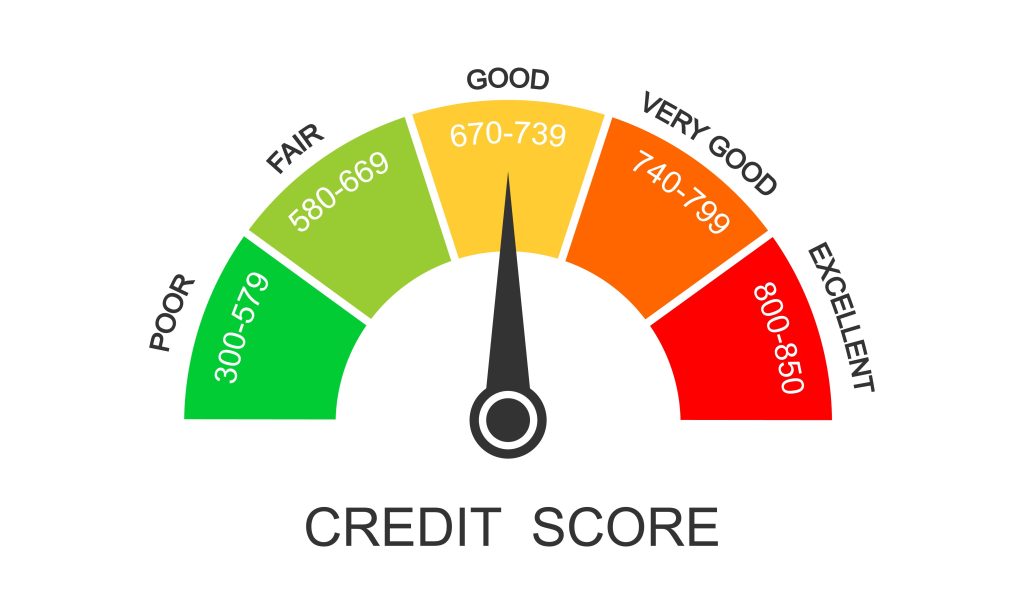
Credit scoring models still rely heavily on FICO and VantageScore systems, but thresholds have slightly shifted in recent years.
- Excellent: 760 and above
- Good: 700–759
- Fair: 640–699
- Bad: Below 640
If your score falls below 640, lenders typically classify you as a higher-risk borrower. However, many 2026 lenders now look beyond the score itself.
How Lenders Assess Bad Credit Borrowers Today
Modern lenders increasingly rely on alternative risk indicators. These allow borrowers with poor credit histories to demonstrate current financial stability.
Key Factors Lenders Consider
- Income consistency and employment history
- Bank account cash flow patterns
- Debt-to-income ratio
- Recent payment behavior (last 12–24 months)
- Utility, rent, and subscription payments
This shift benefits borrowers who may have past mistakes but stable present finances.
Loan Options That Actually Work with Bad Credit
1. Online Bad Credit Personal Loans
Fintech lenders remain the most accessible option for bad credit borrowers. These lenders operate fully online and use automated underwriting systems.
Typical features:
- Loan amounts: $500–$25,000
- APR: 18%–36%
- Approval times: Same day to 48 hours
While interest rates are higher, reputable lenders disclose all fees upfront and offer fixed repayment schedules.
2. Credit Union Loans
Credit unions often provide more flexibility than commercial banks. Many assess members individually rather than relying solely on credit scores.
Some credit unions offer:
- Credit-builder loans
- Small-dollar emergency loans
- Lower interest caps than online lenders
Membership requirements vary, but approval odds are often better for borrowers with steady income.
3. Secured Loans
Secured loans require collateral such as a vehicle, savings account, or certificate of deposit.
Advantages:
- Lower interest rates
- Higher approval probability
Risks: Failure to repay may result in asset loss.
4. Buy Now, Pay Later (BNPL) and Salary-Linked Loans
In 2026, many employers and fintech platforms offer salary-linked borrowing or installment plans.
These products:
- Often bypass traditional credit checks
- Cap repayment as a percentage of income
- Are best for short-term needs
Loan Options to Approach with Caution
Payday Loans
Despite increased regulation, payday loans remain one of the most expensive borrowing options.
Annualized interest rates can exceed 300%, trapping borrowers in repeat borrowing cycles.
Auto Title Loans
These loans put your vehicle at risk. Default rates remain high, and repossession can occur quickly.
They should only be considered as a last resort.
How to Improve Approval Odds Before Applying
Even with bad credit, small preparation steps can significantly improve loan terms.
- Review your credit report for errors
- Reduce outstanding revolving debt
- Provide proof of stable income
- Apply for realistic loan amounts
- Compare multiple lenders
Applying strategically minimizes rejections and unnecessary credit inquiries.
Understanding Interest Rates and Fees
Bad credit loans typically carry higher costs due to risk-based pricing.
Always review:
- APR (not just monthly payments)
- Origination fees
- Late payment penalties
- Prepayment terms
Transparent lenders clearly disclose all costs before final acceptance.
Using a Bad Credit Loan Responsibly
A loan should stabilize finances, not worsen them.
Responsible use includes:
- Borrowing only what you can repay
- Using funds for essential or consolidating purposes
- Making on-time payments to rebuild credit
Many borrowers see measurable score improvements within 6–12 months of consistent repayment.
Regulatory Changes Affecting Bad Credit Borrowers
Governments and regulators have increased scrutiny on high-cost lending.
In the United States, agencies such as the Consumer Financial Protection Bureau continue to enforce transparency and fair lending standards.
Similar regulatory trends are emerging globally, improving borrower protections.
Frequently Asked Questions
Can I get a loan in 2026 with a credit score under 600?
Yes. Many online lenders and credit unions approve borrowers below 600, especially with stable income.
Will applying for multiple loans hurt my credit?
Multiple hard inquiries can lower your score slightly, but rate-shopping within a short window minimizes impact.
Are no-credit-check loans legitimate?
Some are legitimate, but many carry very high fees. Always verify licensing and disclosures.
How fast can I receive funds?
Many online lenders disburse funds within 24–48 hours after approval.
Can a bad credit loan help rebuild my score?
Yes. On-time payments reported to credit bureaus can improve your credit profile.