


Struggling with high monthly payments and mounting interest? You’re not alone. In 2026, average credit card interest rates hover near 22–28%, making minimum payments feel like a never-ending cycle. The good news? Debt consolidation and strategic refinancing can dramatically cut your costs and accelerate your path to being debt-free.
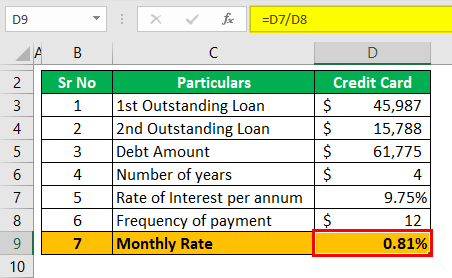
Using a debt consolidation calculator can reveal shocking monthly savings — sometimes hundreds of dollars instantly.
What Is Debt Consolidation and Why It Matters in 2026
Debt consolidation means taking out a single new loan to pay off multiple existing debts. Instead of juggling several high-interest payments, you make one affordable monthly payment at a lower rate. Refinancing, on the other hand, replaces an existing loan with a new one under better terms.
Did You Know? The average American carries over $6,000 in credit card debt alone. With rates climbing, many households now spend more on interest than on groceries. Debt consolidation can cut that burden dramatically.
Debt Consolidation vs Refinancing: Key Differences Revealed
- Debt Consolidation: Combines credit cards, personal loans, medical bills, or payday loans into one new loan.
- Refinancing: Replaces a single loan (mortgage, auto, or student loan) with better terms like lower rate or longer repayment period.
- Best For: Consolidation works best for unsecured high-interest debt; refinancing shines for large secured loans.
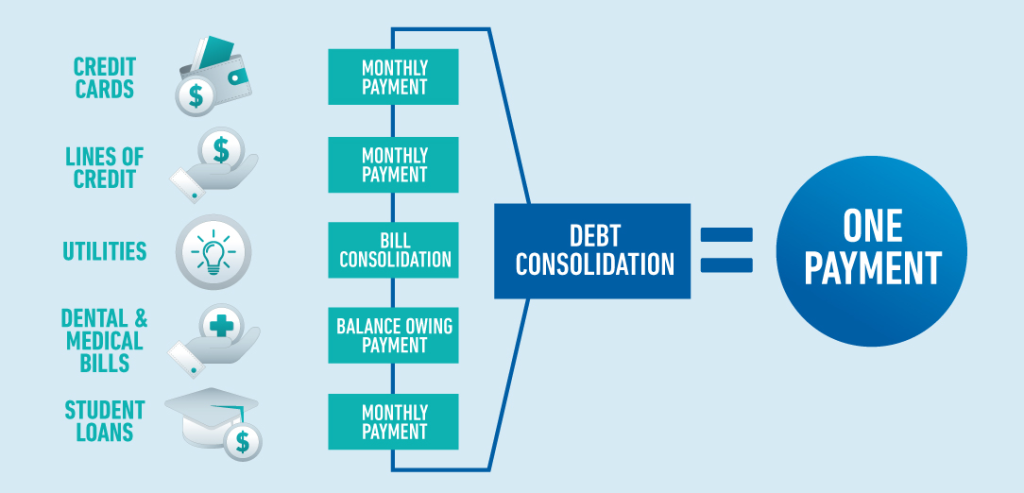
Clear comparison: Debt consolidation combines debts while refinancing improves individual loan terms.
Top Debt Consolidation Methods That Actually Work in 2026
- Personal Consolidation Loans – Unsecured loans from online lenders or banks with rates as low as 6–12% for qualified borrowers.
- Balance Transfer Credit Cards – 0% introductory APR for 12–21 months. Shocking truth: Many people save over $1,000 in interest by transferring balances.
- Home Equity Loans or HELOCs – Lower rates but use your home as collateral — only if you’re confident in repayment.
- Debt Management Plans (DMPs) – Nonprofit credit counseling agencies negotiate lower rates with creditors.
- Debt Settlement – For severe cases; creditors accept less than owed, but it impacts credit score.
How to Lower Your Interest Rates Fast – Step-by-Step
Follow these proven steps to maximize savings:
- Check your credit score — aim for 670+ for the best rates.
- Calculate total debt and current weighted average interest rate.
- Shop at least 5 lenders using pre-qualification tools (soft credit check).
- Compare APR, fees, and loan terms carefully.
- Apply only when ready — multiple hard inquiries in a short window count as one for scoring models.
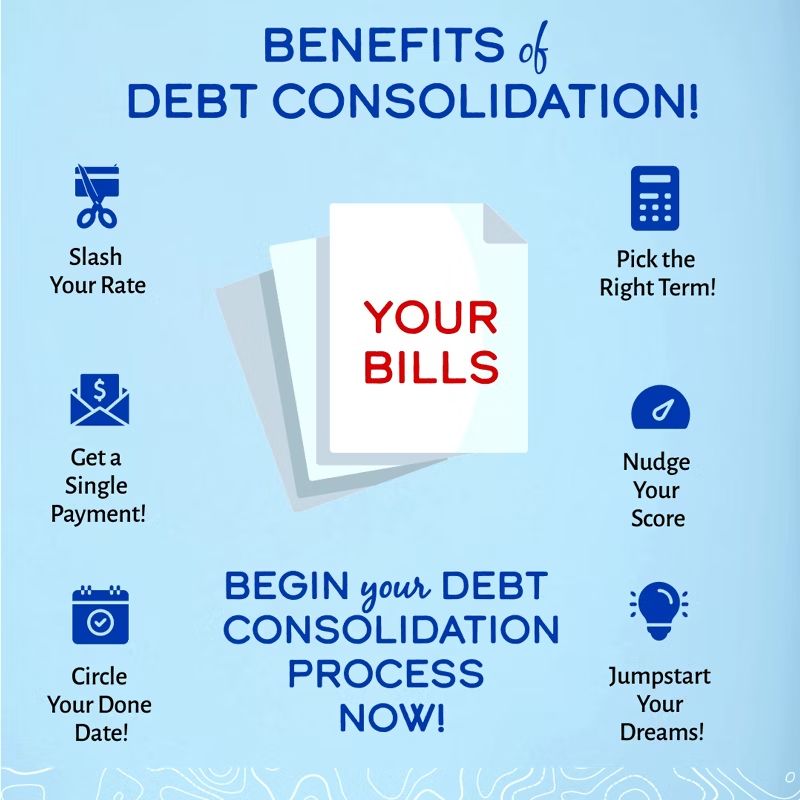
Simple steps that can help you slash interest rates and save thousands over the life of your loans.
Surprising Facts About Debt in 2026
- The average interest rate on new personal loans dropped slightly in early 2026 due to increased competition among online lenders.
- Balance transfer offers with 0% APR can save the typical household $800–$2,500 in the first year alone.
- People who consolidate credit card debt into a fixed-rate personal loan often pay it off 3–5 years faster.
- Secret tip: Some lenders offer rate discounts for automatic payments or existing customers.
Pros and Cons of Debt Consolidation in 2026
Pros: Lower monthly payments, simplified finances, potential credit score boost from reduced utilization, and faster debt payoff.
Cons: Possible origination fees, risk of longer repayment stretching total interest paid, and temptation to re-accumulate debt if spending habits don’t change.

Reaching debt freedom feels incredibly rewarding — many achieve it faster than expected with the right strategy.
Best Practices to Stay Debt-Free After Consolidation
Consolidation is only half the battle. Build an emergency fund, cut unnecessary expenses, and track every dollar. Avoid new credit card charges while paying down the consolidated loan. Many people successfully combine debt consolidation with the debt snowball or debt avalanche method for extra motivation.
Frequently Asked Questions (FAQ)
Is debt consolidation worth it in 2026?
Yes — especially if your current interest rates exceed 15%. Most people save significantly when moving from credit cards to a lower-rate personal loan or balance transfer.
Can debt consolidation hurt my credit score?
It may cause a temporary dip due to a hard inquiry and closing old accounts, but on-time payments and lower credit utilization usually improve your score within months.
What credit score do I need for debt consolidation loans?
Most competitive rates require a FICO score of 670 or higher, though some lenders approve scores as low as 580 with higher rates.
How fast can I lower my interest rates with refinancing?
Many borrowers lock in better rates within 1–2 weeks of approval. Balance transfers can provide 0% interest almost immediately if approved.
Should I use a home equity loan for debt consolidation?
It offers the lowest rates but puts your home at risk. Only consider this option if you have strong payment discipline and sufficient home equity.
Can I consolidate student loans and credit cards together?
No — federal student loans cannot be combined with private debt in one consolidation loan. Refinance student loans separately if rates are favorable.
Conclusion
Debt consolidation and refinancing remain two of the most effective tools for regaining financial control in 2026. By understanding your options, shopping smart, and committing to better habits, you can lower your interest rates fast and finally break free from the debt cycle.
Ready to take control? Start comparing offers today and map out your personalized debt payoff plan. Share this guide with friends or family who are struggling with high-interest debt — it could change their financial future.
For more practical money tips and life-changing advice, explore other sections on omarosaomarosa.com.
External Resources (open in new tab):
Consumer Financial Protection Bureau – Debt Consolidation Guide
NerdWallet – Best Personal Loans for Debt Consolidation 2026