


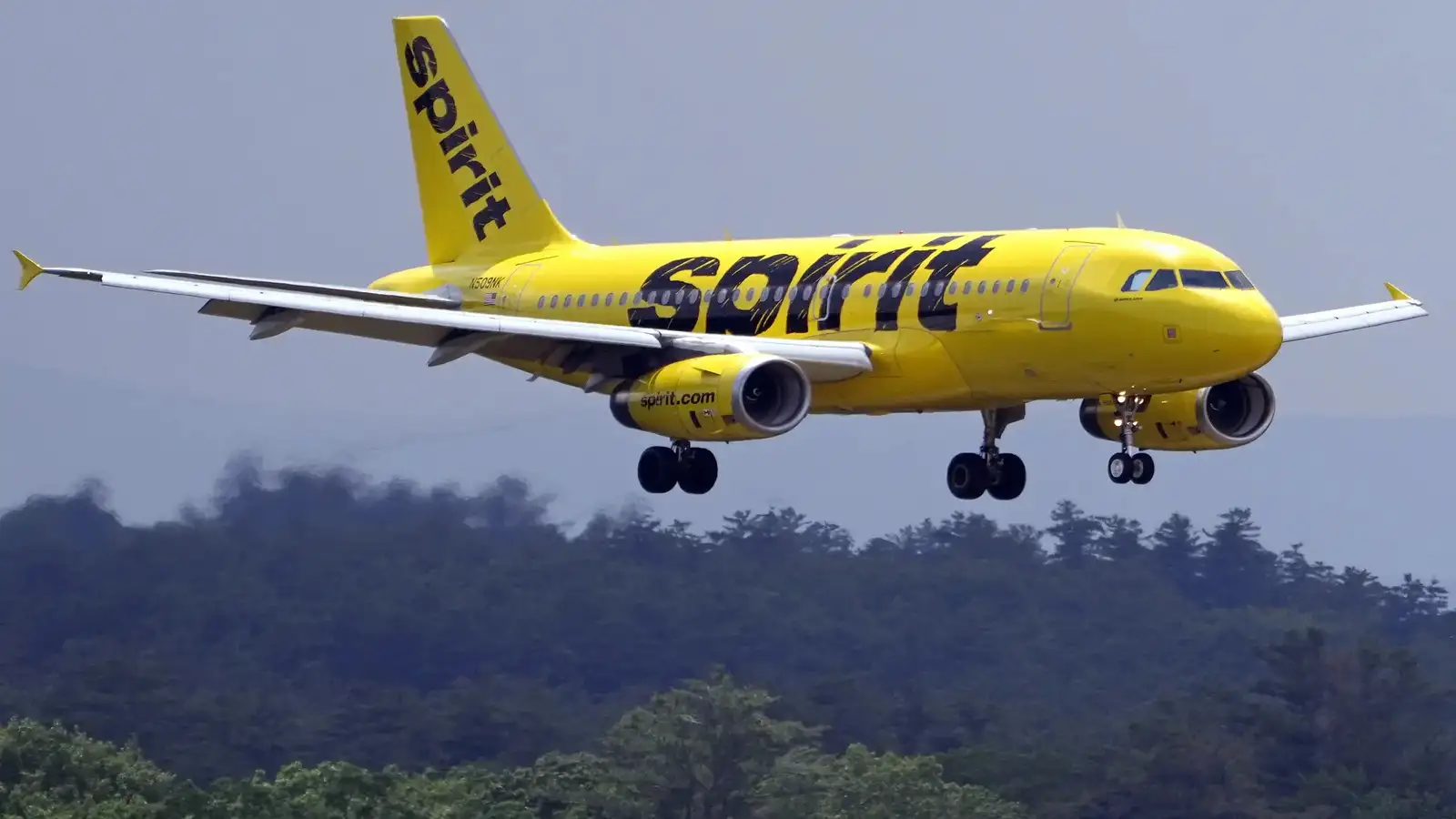
Shocking but not unexpected: Spirit Airlines, long known for ultra-low fares, has entered bankruptcy protection—sending ripples across the U.S. aviation industry.
The Spirit Airlines bankruptcy is not just about one company struggling. Instead, it reflects deeper challenges facing low-cost carriers, including rising costs, intense competition, and shifting consumer expectations.
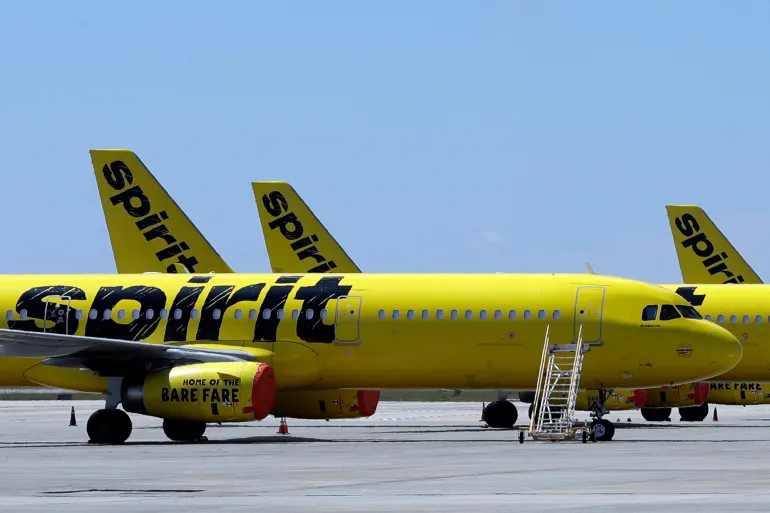
Spirit Airlines faces major restructuring under bankruptcy protection
What Happened to Spirit Airlines?
Spirit Airlines filed for Chapter 11 bankruptcy protection, a legal process that allows companies to restructure their debts while continuing operations.
Unlike liquidation, Chapter 11 means the airline is still flying. However, it is working to reorganize its finances, reduce costs, and stabilize operations.
Several key factors contributed to this decision:
- Rising fuel and operational costs
- Heavy debt burden
- Failed merger attempts
- Increased competition from major airlines
The Failed Merger That Changed Everything
One of the biggest turning points was the failed merger with JetBlue Airways. The deal, which was expected to strengthen Spirit’s position, faced regulatory challenges and was ultimately blocked.
As a result, Spirit lost a critical opportunity to scale and compete more effectively. Consequently, financial pressure increased significantly.
How Bankruptcy Affects Passengers
For travelers, the immediate impact is less severe than many fear. Since Spirit is operating under Chapter 11, flights continue as scheduled.
However, there are some important considerations:
- Tickets remain valid
- Flights are still operating
- Loyalty programs may change in the future
- Route adjustments are possible
Important: Booking with caution is advised, especially for long-term travel plans.
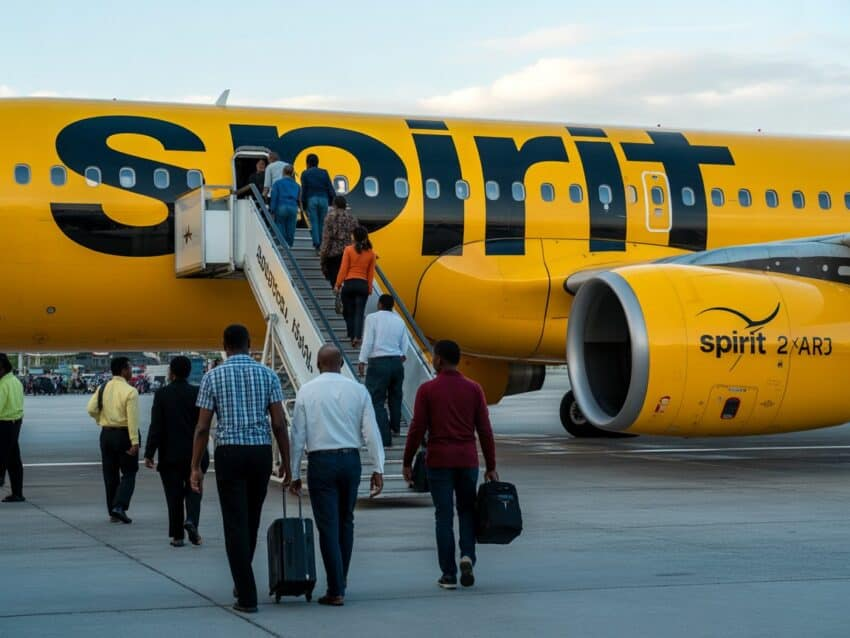
Flights continue, but travelers should stay informed
Why Low-Cost Airlines Are Struggling
The Spirit Airlines bankruptcy highlights broader issues in the budget airline model.
While low fares attract customers, rising operational costs—especially fuel, labor, and maintenance—are squeezing profit margins. In addition, customers now expect more value, putting pressure on ultra-low-cost models.
Moreover, larger airlines have started competing directly with budget carriers by offering basic economy fares.
Strengths That Could Help Spirit Recover
Despite its challenges, Spirit Airlines still has advantages:
- Strong brand recognition
- Established route network
- Loyal customer base seeking low fares
If restructuring is successful, the airline could emerge stronger and more competitive.
Risks and Uncertainties
However, recovery is not guaranteed. Several risks remain:
- Continued financial losses
- Reduced consumer confidence
- Potential layoffs or route cuts
Additionally, the airline must adapt its business model to remain relevant in a changing market.
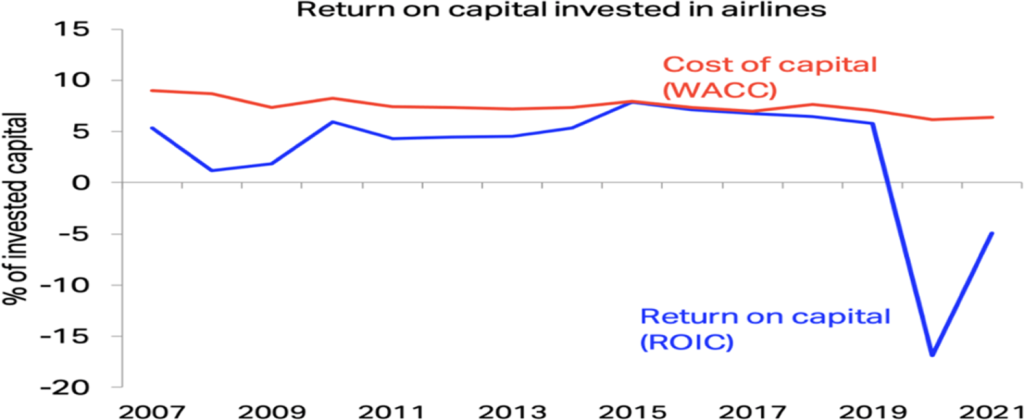
The airline industry is facing intense competition and rising costs
Impact on the Airline Industry
The bankruptcy could reshape the competitive landscape. If Spirit reduces capacity or routes, other airlines may step in to fill the gap.
Furthermore, the situation may lead to higher fares overall, as fewer ultra-low-cost options remain available.
Did You Know? Budget airlines have historically struggled to maintain profitability during economic uncertainty.
What Happens Next?
Spirit Airlines will now focus on restructuring its debt and improving operational efficiency. This process may take months or even years.
Key steps include:
- Renegotiating debt agreements
- Cutting costs
- Optimizing routes
- Exploring new partnerships
Conclusion
The Spirit Airlines bankruptcy marks a significant moment in U.S. aviation. While the airline continues to operate, its future depends on successful restructuring and adaptation.
Key takeaway: This is not the end of Spirit Airlines—but it is a turning point that could redefine its business model and the broader budget airline industry.
Stay informed: Follow the latest travel and business news to understand how these changes may affect your future plans.
Frequently Asked Questions
1. Is Spirit Airlines shutting down?
No, it is restructuring under Chapter 11 and continues to operate.
2. Are flights canceled?
No, flights are still running as scheduled.
3. What caused the bankruptcy?
High costs, debt, and failed merger plans contributed to the situation.
4. Can I still book tickets?
Yes, but monitor updates before booking long-term travel.
5. Will prices increase?
Possibly, especially if competition decreases.
6. How long will restructuring take?
It can take several months to years depending on the process.