As Kenya gears up for the August 2027 General Election, the political temperature is rising fast. The latest 2027 presidential polls reveal a fluid and unpredictable race, with President William Ruto maintaining a lead in reputable national surveys, while opposition figures scramble to consolidate support following the death of veteran opposition leader Raila Odinga.
According to the most recent credible polls from early 2026, President Ruto leads as the most preferred presidential candidate, but with a significant share of undecided voters and growing public concern over election integrity. This comprehensive guide reveals the hidden trends, shocking numbers, and untold truths behind the current polling landscape for the 2027 Kenyan presidential race.
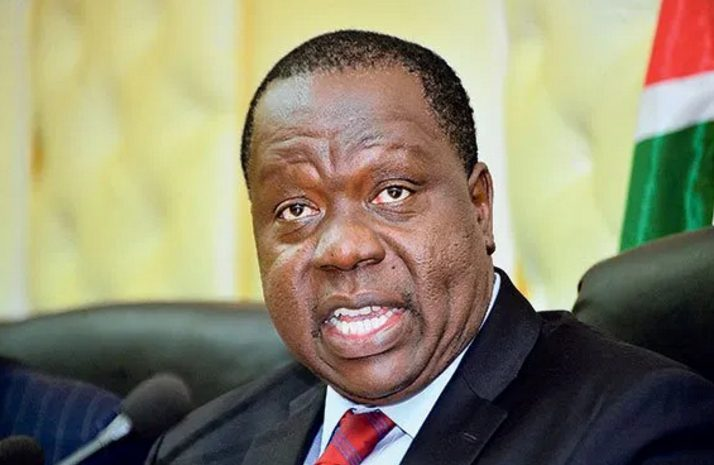
red Matiang’i consistently emerges as President Ruto’s closest challenger in national presidential polls.
Latest Credible 2027 Presidential Polls (April 2026 Update)
Here are the key findings from respected pollsters:
- Stats Kenya Survey (Early April 2026): President William Ruto leads with 23.4%, followed by Fred Matiang’i at 12.3%, Kalonzo Musyoka at 8.2%, Edwin Sifuna at 7.4%, and Rigathi Gachagua at 4%.
- Infotrak Poll (December 2025 – most recent widely reported): Ruto at 28%, Fred Matiang’i at 13%, Kalonzo Musyoka at 12%. A significant portion of respondents remained undecided.
- TIFA Research (2025 surveys): Focused more on election integrity and broad-based government perceptions, revealing deep public skepticism about the 2027 polls, with 50% of Kenyans expressing no confidence in their integrity.
Did you know? In most scientific face-to-face or telephone polls, President Ruto consistently leads, but online and social media polls often show dramatically different results, heavily favoring opposition candidates like Fred Matiang’i.
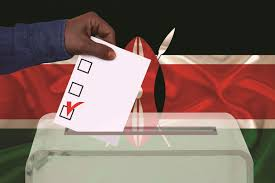
With over 5.7 million new voters expected to be registered, young Kenyans could decide the outcome of the 2027 presidential race.
Key Contenders in the 2027 Presidential Race
The main names making waves in current polls include:
- William Ruto (UDA) – Incumbent President and clear frontrunner in reputable polls. His support is driven by development projects and the broad-based government strategy, though cost of living remains a major pain point for many voters.
- Fred Matiang’i – Former Interior Cabinet Secretary. He has emerged as Ruto’s strongest challenger in nearly every major poll, often polling in double digits as the preferred opposition candidate.
- Kalonzo Musyoka (Wiper) – Veteran politician who maintains steady support, particularly in certain regions, but trails behind Matiang’i in head-to-head scenarios.
- Other notable figures: Edwin Sifuna, Rigathi Gachagua, Martha Karua, David Maraga, and Boniface Mwangi also feature in various surveys, though with lower percentages.
The shocking truth is that a large chunk of voters (often 25–40%) remain undecided, making the race highly volatile as alliances and party nominations unfold in 2026.
Major Issues Shaping the 2027 Presidential Polls
Cost of living continues to dominate voter concerns across all surveys. Other critical factors include:
- High youth unemployment and the massive registration of over 5.7 million new voters (mostly young people).
- Public trust in the IEBC — with TIFA polls showing nearly 50% of Kenyans have little or no confidence in the integrity of the 2027 elections.
- Opposition unity — or the lack thereof — following the fragmentation of ODM and other parties.
- Regional voting patterns, especially in Mt. Kenya, Western Kenya, Nyanza, and the Coast.
Challenges and Caveats in Interpreting Kenyan Polls
Not all polls are created equal. Many viral numbers circulating on social media (especially those showing dramatic opposition leads) have been flagged as fake or unrepresentative. Reputable pollsters like Infotrak, TIFA, and Stats Kenya use scientific sampling methods, while online polls tend to attract more politically active or urban respondents.
With 15+ months to go before the election, these numbers can shift dramatically based on economic performance, new alliances, party nominations, and campaign strategies.
What the Polls Mean for Kenya’s Political Future
The current 2027 presidential polls paint a picture of an incumbent with a measurable but not overwhelming lead, facing a fragmented opposition. President Ruto’s strategy appears focused on consolidating power through broad-based arrangements and development deliverables, while opposition figures are still searching for a unifying candidate and message that can resonate nationally.
The large number of undecided voters and new young registrants means the race remains wide open. Political realignments expected throughout 2026 will likely reshape these numbers significantly.
As of April 2026, the latest 2027 Kenyan presidential polls show President William Ruto leading credible surveys, with Fred Matiang’i emerging as his closest challenger. However, high levels of voter indecision, concerns over electoral integrity, and the massive influx of new voters make this one of the most unpredictable races in recent Kenyan history.
Stay tuned as the political landscape continues to evolve. Economic performance, opposition unity efforts, and campaign strategies in the coming months will determine who ultimately captures the presidency in August 2027.
Share your thoughts below — who do you think will win in 2027?
Frequently Asked Questions
1. Who is leading the 2027 presidential polls in Kenya right now?
President William Ruto leads most reputable national polls (Infotrak and Stats Kenya), followed closely by Fred Matiang’i as the top opposition challenger.
2. Is Fred Matiang’i the strongest opposition candidate for 2027?
According to recent surveys, yes — Matiang’i consistently polls higher than Kalonzo Musyoka and other opposition figures as Ruto’s main rival.
3. How reliable are Kenyan presidential polls?
Polls from established firms like Infotrak and TIFA are generally more reliable than unverified social media or online polls, which often show biased results.
4. What is the biggest issue in the 2027 election according to polls?
Cost of living remains the top concern for most Kenyans, followed by unemployment, governance, and trust in electoral institutions.
5. Will new voters influence the 2027 presidential outcome?
Absolutely. With over 5.7 million new voters (mostly youth) expected to register, this demographic could significantly shift the final results.
6. When will the next major presidential poll be released?
New polls are typically released every few months by major firms. Expect more comprehensive surveys as parties begin formal nominations in late 2026.
Article updated April 29, 2026. Polling data is subject to change. Always cross-reference multiple credible sources for the latest figures.