

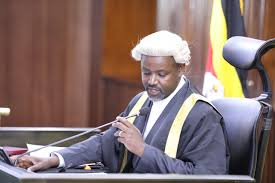
KAMPALA, Uganda — Uganda’s incoming 12th Parliament is expected to revisit debate surrounding the controversial Uganda NGO Funding Bill 2026, months after the proposal sparked nationwide discussion over foreign donor funding, civic freedoms, and government oversight of non-governmental organisations.
Although the original petition never formally reached full parliamentary debate, political analysts and governance observers now believe many of its central ideas resurfaced within Uganda’s recently passed Protection of Sovereignty Bill.
As a result, the proposal has re-emerged as part of a broader national conversation about sovereignty, foreign influence, and the future of Uganda’s civil society sector.
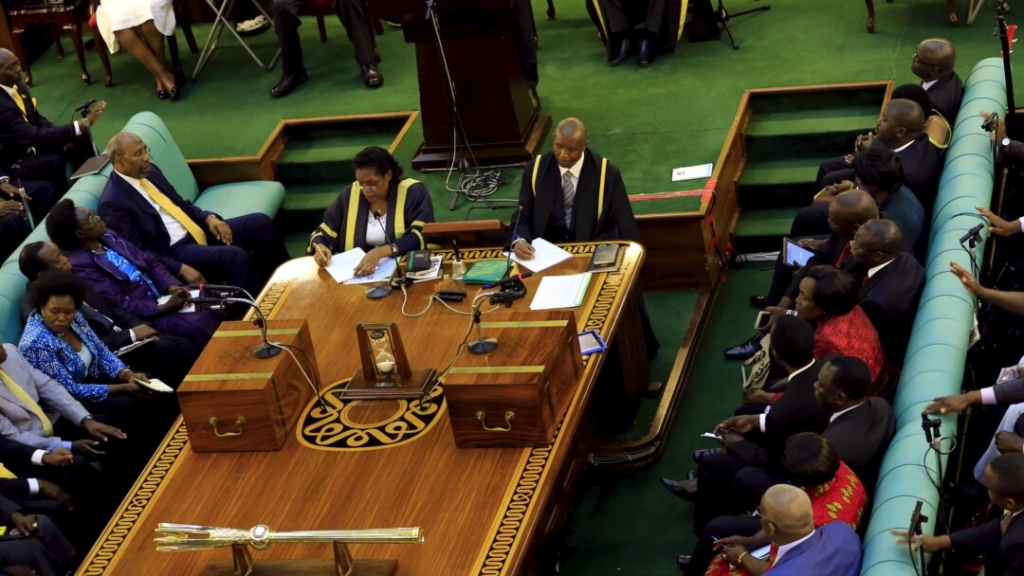
The NGO funding debate is expected to continue during Uganda’s 12th Parliament
How the NGO Funding Bill Started
The NGO Funding Bill first gained public attention earlier in 2026 after being petitioned by 16-year-old entrepreneur and youth activist Nyanzi Martin Luther.
The proposal emerged during Uganda’s transition period between the 11th and 12th Parliament.
At the center of the proposal were measures seeking:
- Stricter disclosure of foreign donor funding
- Mandatory digital accountability systems
- Increased state supervision of NGOs and CBOs
- Alignment of NGO activities with Uganda’s development priorities
According to Nyanzi, the proposal aimed to reduce overdependence on foreign donors while encouraging stronger local support systems for organisations involved in healthcare, education, youth empowerment, and poverty alleviation.
“Foreign donors have been helpful, but they should not remain the only source of support,” Nyanzi stated while promoting the proposal earlier this year.
He also argued that many local organisations continue operating in communities where government services remain limited.
Why the Bill Became Controversial
The proposal quickly triggered intense debate among politicians, civil society groups, governance experts, and activists.
Critics feared that stricter controls on NGO financing and operations could reduce civic freedoms and increase government control over independent organisations.
Additionally, some observers warned that the proposals risked shrinking Uganda’s civic space, particularly for organisations involved in governance, human rights advocacy, election observation, and accountability campaigns.
Did You Know? Uganda’s NGO sector plays a major role in healthcare, refugee support, education, humanitarian response, and community development.
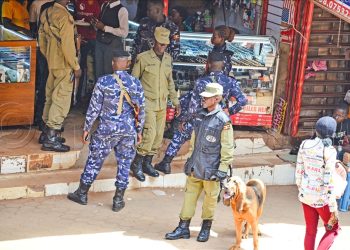
Civil society organisations remain central to many public service programs in Uganda
Connection to the Protection of Sovereignty Bill
As criticism of the NGO Funding Bill intensified, Parliament simultaneously accelerated debate on the controversial Protection of Sovereignty Bill.
The legislation focused on strengthening safeguards against foreign interference in Uganda’s domestic affairs.
Political observers later identified similarities between the two proposals, especially regarding:
- Disclosure of foreign funding sources
- Monitoring externally funded activities
- Government oversight of politically sensitive organisations
- Regulation of foreign influence in domestic affairs
Governance researcher Solomon Serwanjja noted during earlier discussions that the sovereignty debate increasingly reflected concerns about foreign-backed influence through advocacy groups and civic organisations.
According to governance analysts familiar with parliamentary consultations, the “language changed, but the direction remained similar.”
In the end, the Protection of Sovereignty Bill passed in amended form despite attracting criticism from economists, opposition leaders, civil society organisations, and international observers.
Concerns Raised by Civil Society Leaders
Several civic leaders expressed concern that stronger state oversight could eventually undermine institutional independence.
Among the leading critics was Dr. Sarah Bireete, who warned that reforms affecting NGO operations required broader consultation.
“If not handled carefully, this bill could limit the operating space for NGOs and CBOs,” Dr. Bireete said during earlier reactions to the proposal.
She further argued that reforms should strengthen rather than weaken organisations delivering essential community services.
Similarly, civic activist Sarah Mukasa questioned whether increased monitoring mechanisms could eventually shift from accountability toward political control.
“The timing and purpose of the bill suggest it could be used more for control than support,” Mukasa stated during stakeholder consultations.
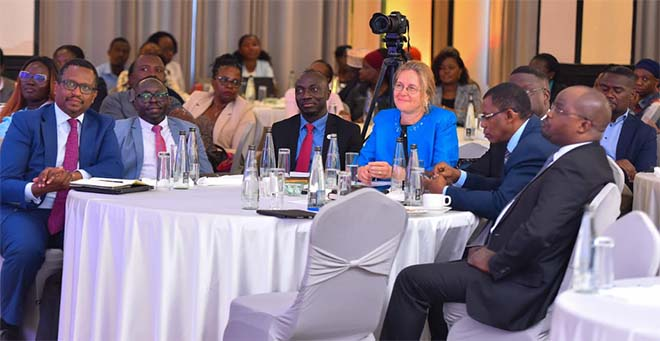
Stakeholders remain divided over NGO regulation and sovereignty legislation
Government and Supporters Defend Oversight Measures
Supporters of sovereignty-related legislation insist Uganda has legitimate reasons to strengthen oversight over foreign-funded organisations.
Government officials defending the reforms argue that transparency and accountability systems are necessary to protect national interests and reduce external influence over domestic decision-making.
Supporters also claim stronger reporting requirements could improve public confidence and financial accountability within the NGO sector.
Furthermore, advocates of the measures argue that donor dependency creates long-term sustainability challenges for local organisations.
The Challenge Facing Uganda’s 12th Parliament
Analysts believe Uganda’s incoming Parliament could become the central arena where debates over sovereignty, foreign funding, civic freedoms, and state regulation intensify further.
One major challenge is balancing national oversight with the realities of Uganda’s donor-dependent civil society sector.
Many NGOs remain heavily reliant on foreign funding, particularly in areas such as:
- Healthcare programs
- Refugee support
- Education projects
- Humanitarian assistance
- Governance and accountability initiatives
Consequently, tighter restrictions could significantly affect service delivery in vulnerable communities.
Hidden Truth: Some analysts believe the original NGO Funding Bill indirectly introduced politically sensitive ideas into mainstream legislative debate before they later reappeared within sovereignty-focused legislation.
What Happens Next?
Although the original NGO Funding Bill has not formally returned before Parliament, analysts say its core ideas are already influencing Uganda’s evolving legislative direction.
Political observers expect continued public debate as the 12th Parliament begins addressing governance, accountability, and sovereignty-related reforms.
For now, uncertainty remains over whether lawmakers will introduce new standalone NGO legislation or continue embedding similar provisions within broader sovereignty frameworks.
Nevertheless, the issue is expected to remain politically significant throughout Uganda’s next parliamentary term.
Conclusion
The debate surrounding the Uganda NGO Funding Bill 2026 highlights deeper national tensions involving sovereignty, donor influence, civic freedoms, and state oversight.
While supporters argue stronger regulation is necessary to protect Uganda’s national interests, critics warn excessive control could weaken independent organisations and restrict civic space.
As Uganda’s 12th Parliament begins its work, the future of NGO regulation is likely to remain one of the country’s most closely watched political and governance debates.
Frequently Asked Questions
1. What is the Uganda NGO Funding Bill 2026?
It is a proposal that sought stricter regulation and oversight of foreign-funded NGOs and CBOs in Uganda.
2. Who introduced the proposal?
The petition was introduced by youth activist Nyanzi Martin Luther.
3. Did Parliament pass the NGO Funding Bill?
No, the original proposal did not formally reach parliamentary debate.
4. Why is the bill controversial?
Critics fear it could restrict civic freedoms and increase government control over NGOs.
5. How is it linked to the Protection of Sovereignty Bill?
Analysts say several ideas from the NGO proposal later appeared in sovereignty-related legislation.
6. Why do NGOs matter in Uganda?
NGOs provide major support in healthcare, education, refugee response, and humanitarian programs.