KAMPALA, Uganda — Investors in 2026 are increasingly searching for reliable ways to generate passive income as inflation, economic uncertainty, and rising living costs continue affecting household finances worldwide.
While traditional savings accounts still offer limited returns in many regions, several investment categories are now providing stronger long-term income opportunities.
From dividend-paying stocks to real estate investment trusts (REITs), modern investors are focusing on assets capable of producing recurring income with relatively lower day-to-day involvement.
Financial analysts say diversification and long-term planning remain essential as markets continue evolving rapidly.

Passive income investing continues attracting global interest in 2026
Why Passive Income Investing Is Growing
The idea of earning money without actively working daily has become increasingly attractive, especially among younger investors and remote workers.
Additionally, advancements in digital finance and investment platforms have made passive income opportunities more accessible than ever before.
Investors today are prioritizing:
- Financial independence
- Retirement security
- Inflation protection
- Long-term wealth creation
- Multiple income streams
Did You Know? Many wealthy investors focus heavily on assets that continue generating income even while they sleep.
1. Dividend Stocks
Dividend stocks remain among the most popular passive income investments in 2026.
These are shares in companies that regularly distribute part of their profits to shareholders.
Strong dividend-paying sectors include:
- Banking
- Telecommunications
- Energy
- Consumer goods
- Healthcare
Investors often prefer dividend stocks because they provide both:
- Regular cash payments
- Potential long-term stock appreciation
Moreover, some companies increase dividends annually, helping investors fight inflation over time.
However, analysts warn that investors should examine company stability before chasing unusually high dividend yields.
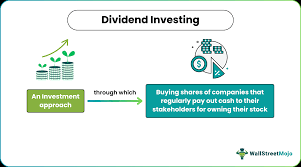
Dividend-paying companies remain core passive income investments
2. Real Estate Investment Trusts (REITs)
REITs continue attracting investors seeking exposure to real estate without directly purchasing physical property.
These investment vehicles own or manage income-producing properties such as:
- Shopping malls
- Office buildings
- Apartments
- Warehouses
- Data centers
By law, many REITs must distribute a large percentage of profits to investors as dividends.
Consequently, they are often considered strong income-producing assets.
In 2026, data-center and logistics REITs are seeing growing attention because of AI expansion, cloud computing, and e-commerce growth.
Hidden Truth: Some of the fastest-growing REIT sectors today are linked to artificial intelligence infrastructure.
3. High-Yield Bonds
Bonds remain an important passive income option for conservative investors.
Governments and corporations issue bonds to raise capital while paying investors fixed interest over time.
Popular bond categories include:
- Treasury bonds
- Corporate bonds
- Municipal bonds
- International bonds
Higher-yield bonds often provide better returns but may also carry increased risk.
As interest rates continue shifting globally, bond markets remain a major focus for income investors in 2026.
4. Exchange-Traded Funds (ETFs)
Exchange-Traded Funds, commonly called ETFs, continue becoming increasingly popular because they offer diversification with relatively low management costs.
Income-focused ETFs often combine:
- Dividend stocks
- Bonds
- Real estate assets
- International securities
As a result, ETFs help investors spread risk while maintaining steady income exposure.
Additionally, many beginner investors prefer ETFs because they require less active management compared to individual stock picking.

ETFs continue growing among long-term passive income investors
5. AI and Technology Funds
Artificial intelligence has become one of the biggest investment themes of the decade.
Consequently, AI-focused investment funds are attracting strong interest from investors seeking long-term growth and passive exposure to technology expansion.
These funds often invest in companies involved in:
- Artificial intelligence
- Semiconductors
- Cloud computing
- Cybersecurity
- Automation technology
Although AI investments can experience market volatility, many analysts believe the sector still has significant long-term growth potential.
6. Rental Property Investments
Direct property ownership remains a traditional passive income strategy.
Rental properties can generate monthly income while potentially increasing in value over time.
Popular rental investment categories include:
- Residential apartments
- Student housing
- Vacation rentals
- Commercial spaces
However, real estate investing usually requires larger starting capital and ongoing property management responsibilities.
Therefore, some investors prefer REITs instead of direct ownership.
7. Digital Assets and Online Businesses
In 2026, digital income assets are becoming increasingly mainstream.
These include:
- Blogs
- YouTube channels
- Affiliate websites
- Online courses
- Subscription communities
- Mobile apps
Many digital assets continue generating revenue long after initial creation.
For example, evergreen SEO articles or online courses can produce recurring income for years.
However, experts note that digital income streams often require significant upfront work before becoming passive.

Digital assets are increasingly becoming modern passive income investments
Risks Investors Should Consider
Although passive income investing can generate wealth, all investments carry risks.
Key risks include:
- Market volatility
- Inflation
- Economic recessions
- Interest rate changes
- Company performance declines
- Real estate downturns
Consequently, financial experts strongly recommend diversification instead of relying on a single asset category.
How Beginners Can Start
Analysts advise beginner investors to:
- Start small
- Focus on long-term growth
- Learn basic investing principles
- Avoid emotional decision-making
- Research investment risks carefully
- Diversify across multiple assets
Additionally, consistent investing over time often produces better long-term results than trying to predict short-term market movements.
Dividend stocks, REITs, bonds, ETFs, AI funds, rental properties, and digital assets have emerged among the most popular passive income investments in 2026.
As global markets evolve, investors increasingly prioritize diversified income streams capable of generating long-term financial stability.
Although no investment is completely risk-free, experts believe disciplined investing, diversification, and patience remain the strongest foundations for building sustainable passive income over time.
Frequently Asked Questions
1. What is passive income investing?
Passive income investing involves owning assets that generate recurring income with limited daily involvement.
2. Are dividend stocks safe?
Dividend stocks can provide stable income, but company performance risks still exist.
3. What are REITs?
REITs are companies that own or manage income-producing real estate assets.
4. Are AI investments profitable?
AI investments have shown strong growth potential, although market volatility remains possible.
5. Which investment is best for beginners?
Many beginners start with diversified ETFs because they spread risk across multiple assets.
6. Can passive income replace a salary?
In some cases, long-term passive income investments can eventually provide substantial financial support.