Did you know that consistent investing in low-cost ETFs has created more millionaires than day trading ever will? For beginners, investing in stocks and ETFs offers the perfect balance of growth potential and simplicity in today’s market. This guide walks you through everything you need to start building wealth effectively.
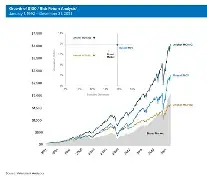
Long-term investing in stocks and ETFs harnesses the power of compounding for maximum returns.
The Shocking Truth About Beginner Investing
The untold secret is that you don’t need to pick individual winning stocks to succeed. Most beginners achieve better results by investing in stocks and ETFs that track broad market indices. Time in the market consistently beats timing the market.
Surprising fact: A simple S&P 500 ETF has historically delivered average annual returns of around 10% over long periods, turning modest monthly investments into significant wealth.
Stocks vs ETFs: What Beginners Need to Know
Individual stocks represent ownership in a single company, offering high reward but also higher risk. ETFs (Exchange-Traded Funds) bundle many stocks together, providing instant diversification at low cost.
For most beginners, ETFs are the smarter starting point for **investing in stocks and ETFs** because they reduce volatility while capturing broad market growth.
TFs offer better diversification for beginners compared to single stocks
Step-by-Step Guide to Start Investing in 2026
- Build Your Foundation: Pay off high-interest debt and create a 3-6 month emergency fund.
- Set Clear Goals: Retirement, home purchase, or financial freedom? Your timeline determines risk level.
- Choose a Broker: Opt for user-friendly platforms with low or zero commissions.
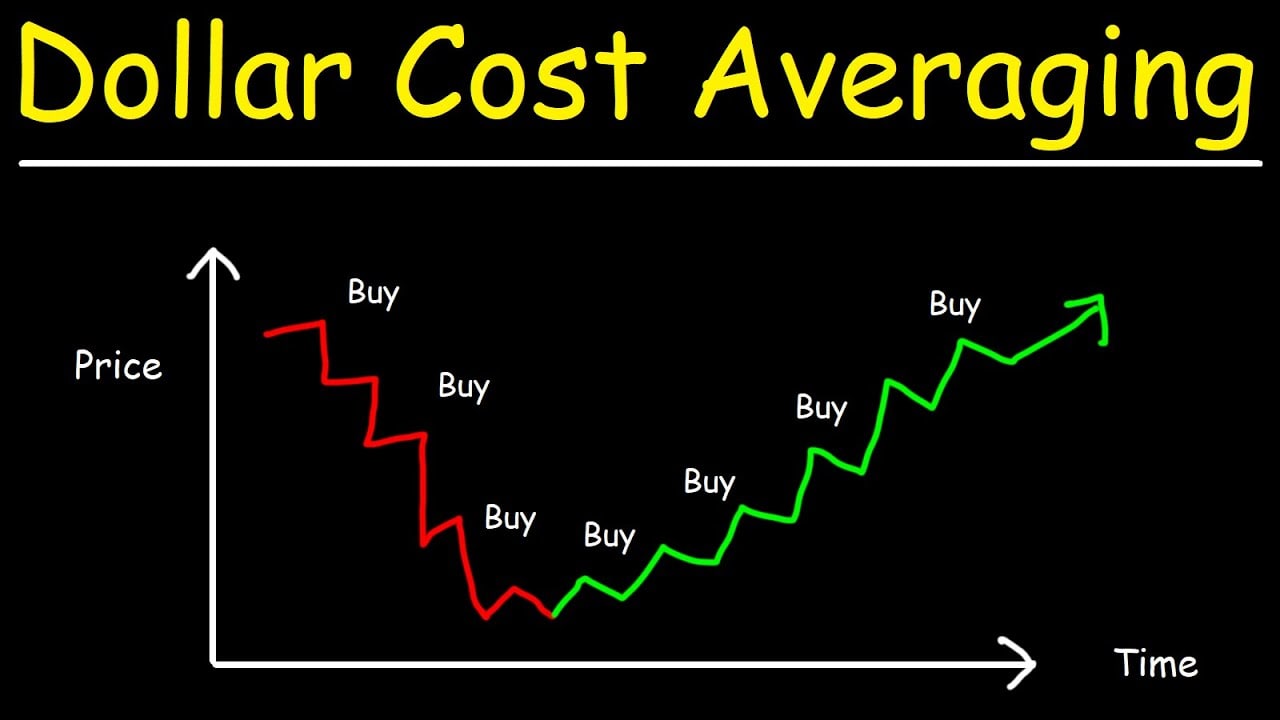
- Fund Your Account: Start small and use dollar-cost averaging.
- Invest Consistently: Automate contributions to remove emotion.
Best ETFs for Beginners Seeking Maximum Returns
Focus on these proven, low-cost options in 2026:
- Vanguard S&P 500 ETF (VOO) — Tracks top 500 U.S. companies. Ultra-low fees and strong historical performance.
- Vanguard Total Stock Market ETF (VTI) — Broad exposure to the entire U.S. market for maximum diversification.
- Vanguard Growth ETF (VUG) — Focuses on high-growth companies for higher potential returns.
- Schwab International Equity ETF (SCHF) — Adds global exposure to reduce U.S.-only risk.
Smart Strategies for Maximum Returns
Harness these powerful tactics when **investing in stocks and ETFs**:
- Dollar-cost averaging to buy more shares when prices are low.
- Reinvest dividends automatically for compounding magic.
- Maintain a long-term horizon of 5+ years.
- Keep expense ratios under 0.1% to maximize net returns.
Did you know that advancing your skills can boost your investing capital? Meeting study in Germany requirements can lead to higher earning potential for bigger investments.
Risks and How to Manage Them
All investing involves risk, including market volatility. Diversify, avoid emotional decisions, and never invest money you need in the short term. A balanced approach with some bonds or conservative assets protects your portfolio.

Mastering **investing in stocks and ETFs** as a beginner sets you on the path to financial independence. Start today with small, consistent actions and let time and compounding work in your favor.
Ready to begin your investing journey? Open a brokerage account, choose one or two core ETFs, and commit to regular contributions. Share this guide with friends ready to build wealth.
Related: Strong financial planning pairs well with thoughtful new beginnings, such as essential knowledge before starting major processes.
FAQ
How much money do I need to start investing in stocks and ETFs?
Many platforms allow you to start with as little as $100. The key is consistency rather than a large initial amount.
Should beginners buy individual stocks or ETFs?
ETFs are generally better for beginners due to instant diversification and lower risk compared to single stocks.
What are the best ETFs for maximum returns in 2026?
VOO, VTI, and VUG are popular choices for growth and broad exposure with low costs.
How often should I check my investments?
Review quarterly or annually. Frequent checking can lead to emotional decisions that hurt long-term returns.
Is now a good time to start investing in stocks and ETFs?
Yes. The best time is today. Dollar-cost averaging helps regardless of market conditions.
Can investing in stocks and ETFs make me rich?
With discipline, time, and compounding, many ordinary people have built substantial wealth through consistent investing.