The United Kingdom is home to some of the world’s most prestigious universities and offers a wide range of English-taught programs across diverse fields. For 2026, the UK continues to welcome international students with streamlined visa processes and strong post-study work opportunities.
Why Study in the UK in 2026?
The UK offers shorter degree programs (3 years for Bachelor’s, 1 year for Master’s), saving time and money. International students benefit from excellent research facilities, industry connections, and a vibrant multicultural environment in historic cities like London, Edinburgh, Manchester, and Oxford.
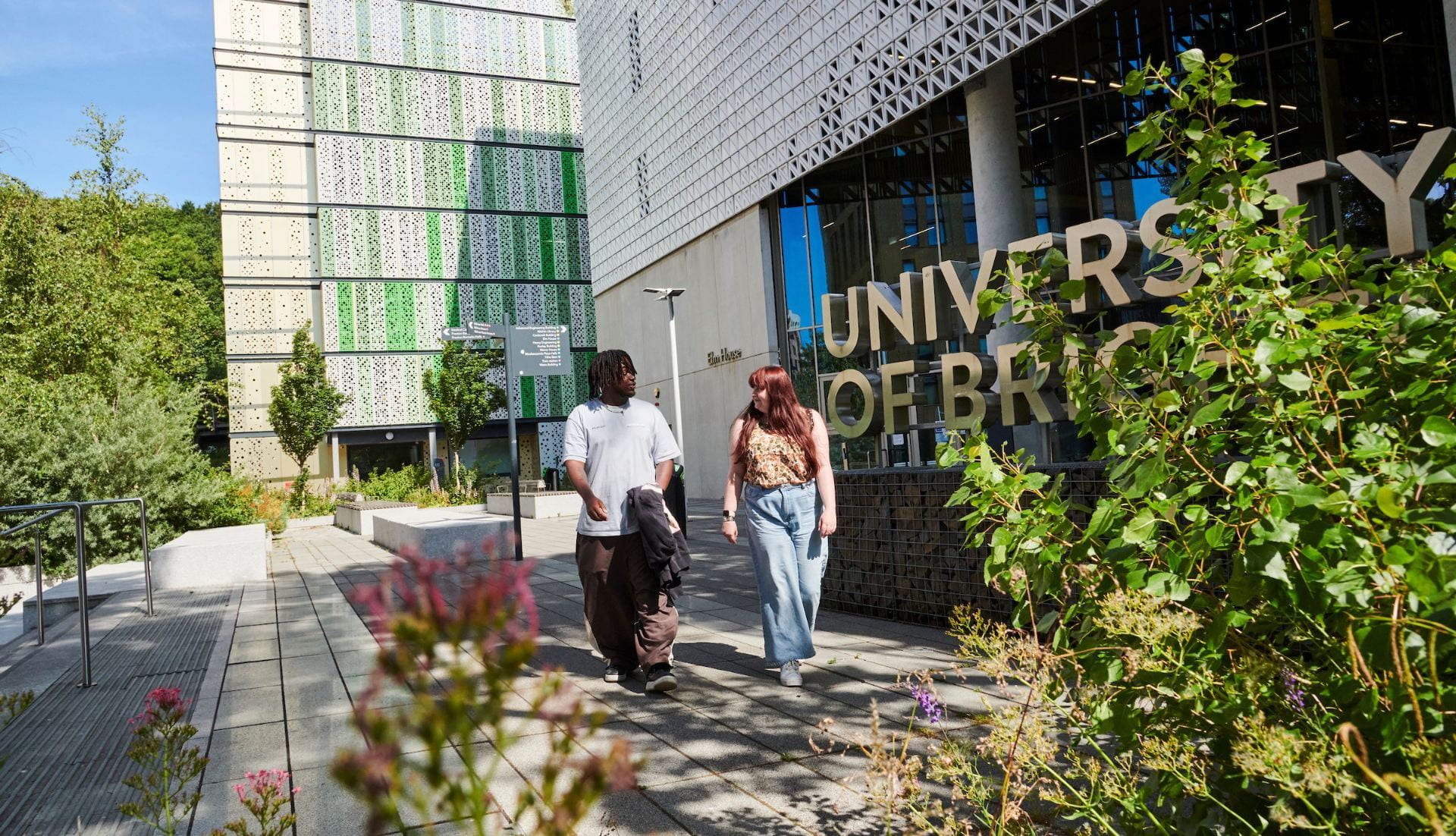
Top Universities in the UK for International Students
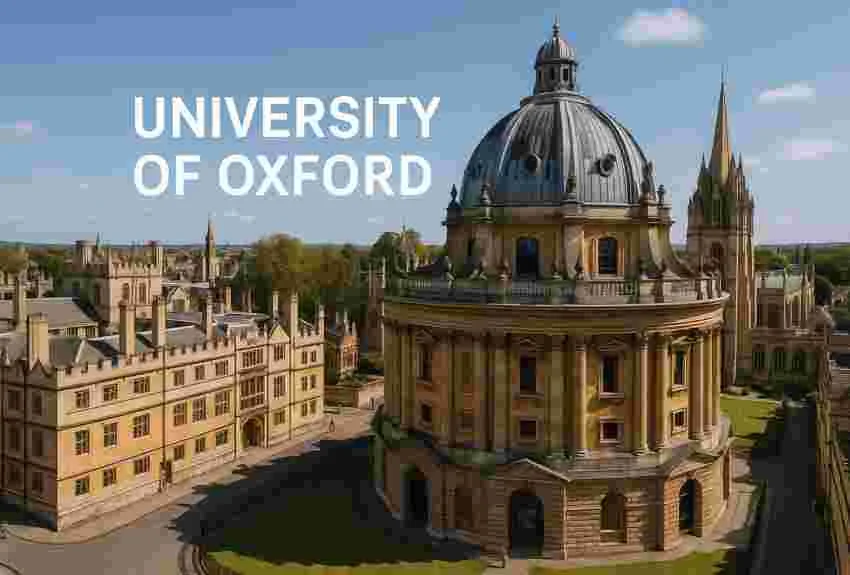
Leading institutions include:
- University of Oxford
- University of Cambridge
- Imperial College London
- University College London (UCL)
- University of Edinburgh
- King’s College London
- University of Manchester
Popular fields: Business, Engineering, Computer Science, Medicine, Law, and Social Sciences.
Application Process for UK Universities
Undergraduate applications are made through UCAS. Postgraduate applications are submitted directly to universities.
Key Steps:
- Research courses and universities using UCAS or university websites
- Prepare academic documents and English test scores (IELTS 6.5+ or equivalent)
- Write a strong Personal Statement
- Submit references
- Pay application fees and meet deadlines
Main intake is September 2026, with some courses offering January intake.
UK Student Visa Requirements in 2026
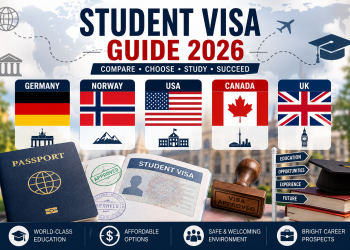
International students need a Student visa (formerly Tier 4). You must have a Confirmation of Acceptance for Studies (CAS) from a licensed institution.
Main Requirements:
- Valid passport
- CAS number
- Proof of financial funds (tuition + living expenses)
- English language proficiency
- Tuberculosis (TB) test (for many countries)
- Immigration Health Surcharge payment
Financial requirement: £1,334 per month in London or £1,023 per month outside London (for up to 9 months).
Scholarships for International Students
Popular funding options include:
- Chevening Scholarships
- Commonwealth Scholarships
- Great Scholarships
- University-specific merit awards
- British Council scholarships
Cost of Living in the UK
Monthly living expenses average £1,200–£1,800 in London and £900–£1,400 outside London. Student accommodation options include university halls, private rentals, and shared houses.
Work Opportunities and Post-Study Options
International students can work up to 20 hours per week during term time and full-time during holidays. The Graduate Route visa allows you to stay and work for 2 years (3 years for PhD graduates) after completing your studies.
Frequently Asked Questions
When should I apply to study in the UK in 2026?
Undergraduate applications via UCAS usually open in September 2025. Postgraduate applications are open throughout the year but apply early for September 2026 intake.
How much money do I need for a UK student visa in 2026?
You must show sufficient funds to cover tuition fees for the first year plus living costs (£1,334/month in London or £1,023 outside).
Is IELTS mandatory to study in the UK?
Most universities require IELTS or equivalent. Some accept other tests or waive it if previous education was in English.
Can international students work in the UK while studying?
Yes, up to 20 hours per week during term and full-time during vacations.
What is the Graduate Route visa?
It allows international graduates to stay in the UK for up to 2 years (3 years for doctoral graduates) to gain work experience.
Final Tips for Success
Start your preparations early, craft a compelling personal statement, and meet all visa requirements carefully. The UK offers an enriching academic and cultural experience that can significantly boost your career prospects.