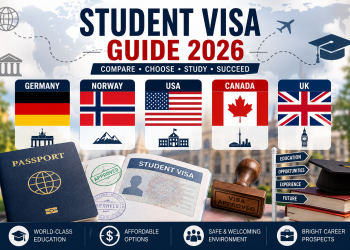



Canada is renowned for its high academic standards, safety, and quality of life. For African students in 2026, the country continues to offer strong support through dedicated international student services and numerous scholarship opportunities.
Why Study in Canada in 2026?
Canada boasts some of the world’s top universities and ranks highly in quality of education, research output, and student satisfaction. African students benefit from multicultural cities, affordable living in many provinces, and excellent post-graduation work opportunities through the Post-Graduation Work Permit (PGWP).
Top Universities Popular Among African Students
Leading institutions include:
- University of Toronto
- University of British Columbia (UBC)
- McGill University
- University of Alberta
- University of Waterloo
- York University
- University of Ottawa
Popular fields: Computer Science, Engineering, Business, Public Health, Environmental Science, and Nursing.
Application Process for Canadian Universities
Most applications are submitted directly through university portals or OUAC (Ontario Universities’ Application Centre).
Key Steps:
- Research programs and intake dates (mainly September and January)
- Prepare academic transcripts and diplomas
- Take English proficiency tests (IELTS 6.5+ or TOEFL)
- Write a strong Statement of Purpose
- Secure letters of recommendation
- Submit application and pay fees
Deadlines for Fall 2026 typically run from October 2025 to March 2026.
Canada Study Permit Requirements in 2026 (for African Students)
After receiving a Letter of Acceptance, apply for a Study Permit through Immigration, Refugees and Citizenship Canada (IRCC).
Main Requirements:
- Valid passport
- Letter of Acceptance from a Designated Learning Institution (DLI)
- Proof of sufficient funds (approx. CAD $20,635+ for one year, plus tuition)
- Letter explaining your study plan and ties to home country
- Health insurance and medical exam (if required)
- Police certificate (in some cases)
Processing times for African countries can range from 4 to 16 weeks. Apply as early as possible.
Scholarships and Funding for African Students
Popular options include:
- Vanier Canada Graduate Scholarships
- Mastercard Foundation Scholars Program
- Ontario Trillium Scholarship
- University-specific entrance scholarships
- African Students Scholarships at various Canadian universities
Cost of Living and Accommodation
Monthly living expenses typically range from CAD $1,500 – $2,500 depending on the city. Toronto and Vancouver are more expensive, while cities like Winnipeg, Edmonton, and Halifax offer better value.
Student residences, homestays, and shared apartments are common accommodation options.
Work Opportunities and Post-Graduation Pathways
International students can work up to 20 hours per week during studies and full-time during scheduled breaks. Upon graduation, the PGWP allows you to work in Canada for up to 3 years, opening pathways to permanent residency.
Frequently Asked Questions
How much money do I need to show for a Canada study permit in 2026?
You need to prove at least CAD $20,635 for living expenses (in addition to first-year tuition) for most provinces.
Is IELTS required to study in Canada?
Yes, most universities require IELTS 6.5 overall (no band below 6.0) or equivalent TOEFL score.
Can African students work while studying in Canada?
Yes, up to 20 hours per week off-campus once you start your program.
What are the best cities in Canada for African students?
Toronto, Montreal, Ottawa, Edmonton, and Calgary have large African communities and strong support systems.
How long does it take to get a Canadian study permit from Africa?
Processing times vary between 4 to 16 weeks. Apply immediately after receiving your acceptance letter.
Are there fully funded scholarships for African students in Canada?
Yes. Programs like Mastercard Foundation and several university-specific awards offer full funding including tuition, living expenses, and travel.
Final Tips for African Students
Start your preparations early, connect with EducationUSA or local Canadian visa application centers, and build a strong profile with academic excellence and leadership experience. Canada values diversity and actively welcomes talented African students.
With proper planning, studying in Canada in 2026 can be a transformative step toward your academic and professional goals.