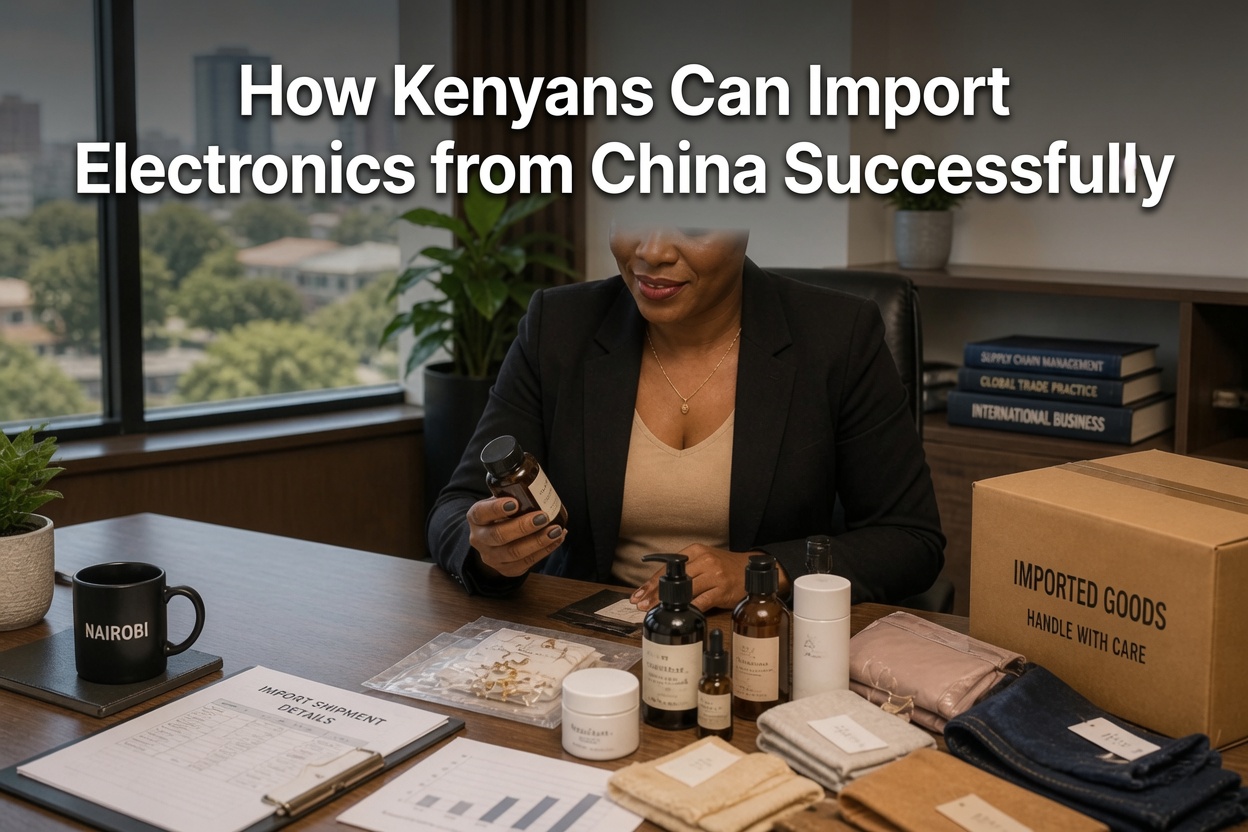
Many Kenyans want to know how Kenyans can import electronics from China successfully to start or grow a profitable business. With high demand for smartphones, chargers, solar products, earphones, and smart gadgets across Kenya, importing directly from China offers excellent margins when done correctly.
From finding reliable suppliers in Shenzhen and Yiwu to navigating KEBS, KRA requirements, shipping to Mombasa or Nairobi, and clearing customs, you’ll get everything needed to avoid common pitfalls and build a sustainable import business.
Why Importing Electronics from China Makes Sense for Kenyans
China produces the majority of the world’s consumer electronics at competitive prices. Kenyan importers benefit from variety, customization options, and strong profit potential when selling via Jumia, physical shops in Nairobi, Eastleigh, or online.
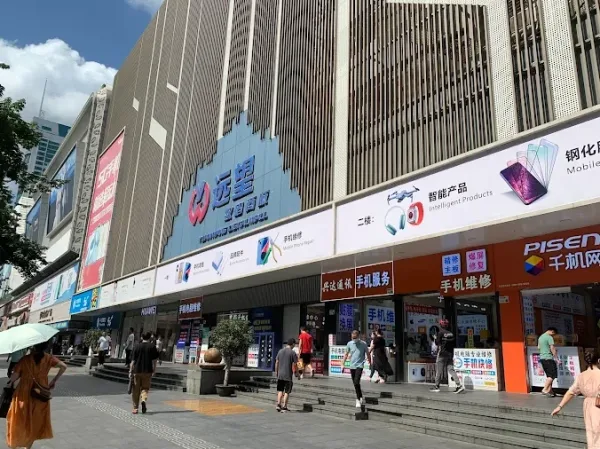
Shenzhen’s Huaqiangbei – the world’s largest electronics sourcing hub.
Best Places to Source Electronics in China
Shenzhen – Electronics Capital
Huaqiangbei Market and surrounding districts offer phones, accessories, solar items, and components. Ideal for bulk and latest tech.
Yiwu International Trade City
Great for affordable accessories, chargers, cables, and small electronics with lower MOQs.
Read our Yiwu sourcing guide for beginners.
Step-by-Step Guide: How Kenyans Can Import Electronics from China Successfully
1. Research Products and Market Demand in Kenya
Check trending items on Jumia, Kilimall, and local markets in Eastleigh and Gikomba. Focus on high-demand, low-competition products like power banks, Bluetooth devices, and solar chargers.
2. Find Reliable Chinese Suppliers
Use Alibaba, 1688.com, Global Sources, and Made-in-China. Verify suppliers with Gold status, trade assurance, and request samples. Consider hiring a sourcing agent for larger orders.
3. Understand Kenyan Regulatory Requirements
Electronics require KEBS Pre-Export Verification of Conformity (PVoC) and Certificate of Conformity (CoC) from approved agencies like SGS or Intertek. Obtain Import Declaration Form (IDF) from KRA.
Kenya Bureau of Standards (KEBS)
4. Calculate Costs and Duties
Factor in product cost, shipping, insurance, import duty (0-25%), VAT (16%), IDF fee (2.25%), and other levies. Use HS codes for accurate classification.
5. Choose Shipping Method
Air freight for small/urgent orders (faster, costlier). Sea freight (Mombasa port) for bulk – cheaper but slower (4-6 weeks).
Compare shipping options for Kenyan importers
6. Customs Clearance and Delivery
Hire a licensed customs agent. Prepare commercial invoice, packing list, bill of lading/air waybill, and CoC. Clear goods at Mombasa or JKIA Nairobi.
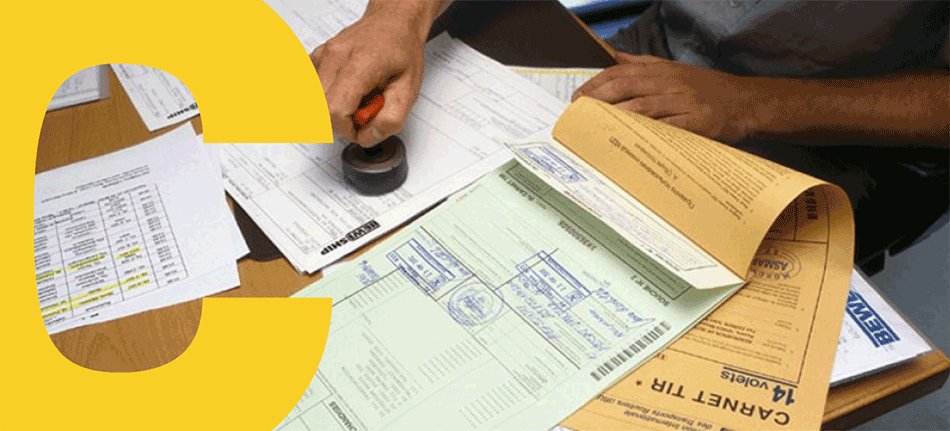
Successful customs clearance in Kenya is key to profitable imports.
Common Challenges and How to Overcome Them
- Scams: Always use Trade Assurance and pay via secure methods.
- Quality Issues: Order samples and use third-party inspection.
- Delays: Plan ahead and work with experienced freight forwarders.
- High Duties: Optimize product classification and consider bonded warehouses.
Download our free import checklist for Kenyans
Frequently Asked Questions
How much money do I need to start importing electronics from China to Kenya?
You can start with KSh 300,000–800,000 for a small container or air shipment, including samples, shipping, and duties. Scale up gradually.
Do I need a special license to import electronics into Kenya?
Yes – you need an Import Declaration Form (IDF) and ensure products meet KEBS standards. A business registration is also required.
What is the best way to ship electronics from China to Kenya?
Sea freight to Mombasa for bulk orders; air freight to Nairobi for urgent or small consignments.
How long does it take to import from China to Kenya?
Air: 5–10 days. Sea: 25–45 days including clearance.
Can I import used electronics from China?
Importation of used electronics is heavily restricted or prohibited in Kenya. Stick to new products.
Which Chinese city is best for electronics sourcing?
Shenzhen is the top choice for electronics due to its vast markets and factory access.
Use our supplier verification tools before placing orders.