Did You Know? Trans Nzoia is widely regarded as one of Kenya’s most important agricultural regions, but the biggest secret behind successful farming is not simply fertile soil. In 2026, the farmers making serious money are increasingly treating agriculture as a business rather than a traditional way of life.
The hidden difference between an average farm and a profitable one often comes down to planning. Successful farmers know their production costs, understand their soil, choose enterprises carefully and think about where their produce will be sold before they plant or invest.
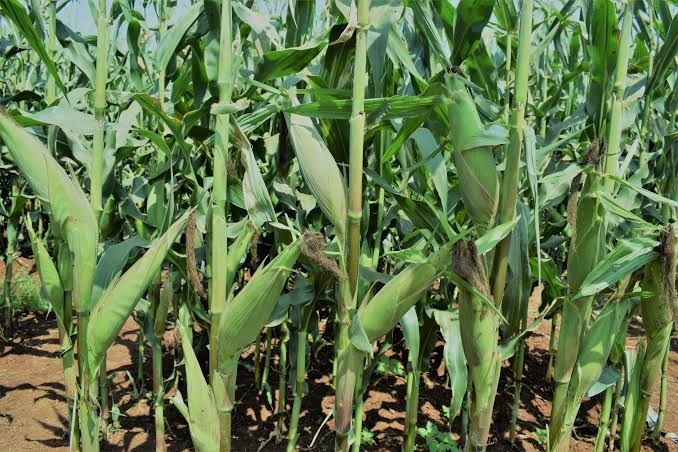
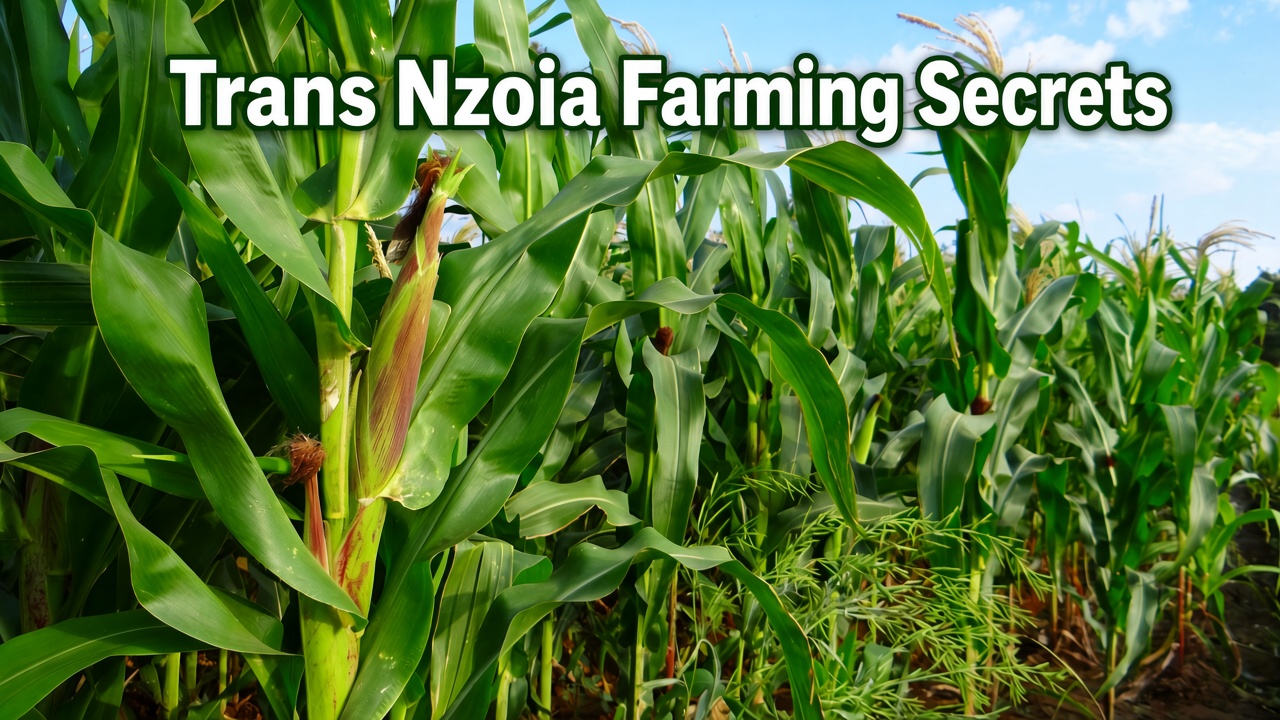
Trans Nzoia Farming Secrets,Maize remains one of the most important agricultural enterprises in Trans Nzoia County.
The Truth About Farming in Trans Nzoia
For decades, Trans Nzoia has been associated with large-scale maize and wheat production. The region’s productive agricultural land and relatively favourable climate have helped establish Kitale as an important agricultural centre.
But there is a shocking change taking place. Farmers are discovering that depending on only one crop can expose them to unpredictable weather, changing input costs, pests and fluctuating market prices.
The most resilient farming businesses are therefore diversifying. A farmer may combine maize with dairy cows, poultry, avocado trees, vegetables or another enterprise capable of generating income at different times of the year.
This does not mean every farmer should copy every new agricultural trend. The secret is choosing enterprises that match the available land, capital, water, labour and market opportunities.
1. Maize Farming: Still Profitable, but Only When Managed Like a Business
Maize remains central to Trans Nzoia agriculture. However, the old approach of planting maize without calculating costs is becoming increasingly risky.
A profitable maize farmer should begin with a production budget. This should include land preparation, seed, fertilizer, planting, weeding, spraying, labour, harvesting, drying, storage and transport.
The hidden secret: gross sales are not the same as profit. A farmer who sells a large harvest may still lose money if production expenses were too high.
What Successful Maize Farmers Focus On
- Testing or understanding soil conditions before making fertilizer decisions.
- Using suitable certified seed for local growing conditions.
- Planting at the appropriate time to take advantage of rainfall patterns.
- Maintaining the correct plant population and spacing.
- Controlling weeds early before they compete aggressively with the crop.
- Monitoring for pests and diseases instead of reacting too late.
- Drying grain properly before storage.
- Tracking every major expense and sale.
One of the most overlooked Trans Nzoia farming secrets is post-harvest management. Producing a good crop is only half the job. Poor drying and storage can reduce grain quality and expose farmers to serious losses.
Farmers can learn more about agricultural research and improved farming practices through the Kenya Agricultural and Livestock Research Organization (KALRO).
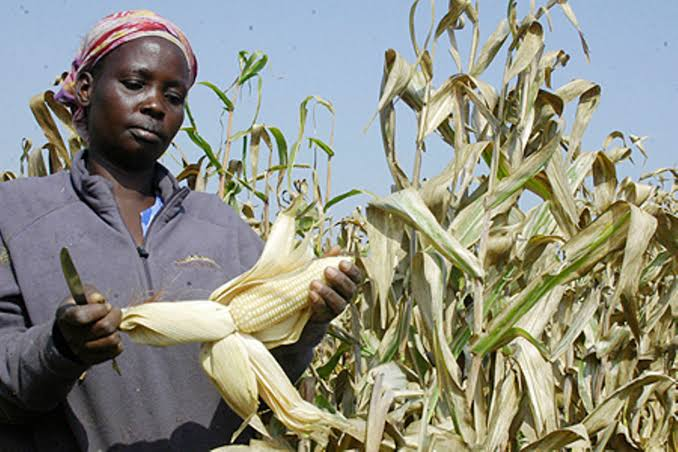
Harvest management and proper grain storage can have a major impact on the final profitability of maize farming.
2. Dairy Farming: The Enterprise That Can Create Regular Cash Flow
While maize may provide income after harvest, dairy farming can potentially generate regular cash flow. This is one reason many farmers are combining crops and livestock.
The secret is not simply buying more cows. A poorly managed dairy herd can consume money through expensive feed, treatment costs and low milk production.
Successful dairy farmers pay close attention to genetics, feed availability, clean water, housing, breeding, disease prevention and milk records.
The Dairy Farming Formula That Actually Matters
A dairy cow’s productivity depends heavily on management. Farmers should ask practical questions: How many litres is each cow producing? How much feed does it consume? What is the cost of producing each litre? Is the cow profitable?
Keeping records may sound basic, but it is one of the most powerful secrets in commercial farming. Without records, it is difficult to identify animals that are costing more than they are earning.
Feed planning is especially important. Buying expensive feed without a clear strategy can quickly destroy dairy profits. Farmers with sufficient land may explore fodder production and preservation to reduce dependence on emergency feed purchases.
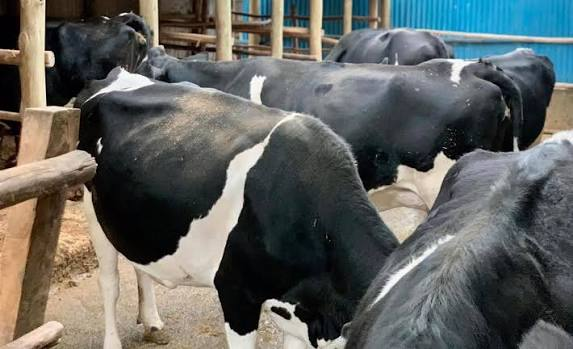
Dairy farming can provide more regular income when feeding, breeding and milk production are properly managed.
3. Avocado Farming: A Long-Term Opportunity for Patient Farmers
Avocado is another enterprise attracting interest among Kenyan farmers. But this is where the truth matters: avocado farming is not a quick-money scheme.
Trees take time to establish, and profitability depends on factors such as suitable climate, quality planting material, orchard management, water availability and market access.
The secret is to think long term. Farmers considering avocado should plan the orchard before planting. They should know the spacing, expected tree growth, water requirements and potential buyers.
Planting poor-quality seedlings simply because they are cheaper can become an expensive mistake. Farmers should seek reliable, appropriate planting material and professional agricultural guidance.
For agricultural market information, farmers can consult the Agriculture and Food Authority.
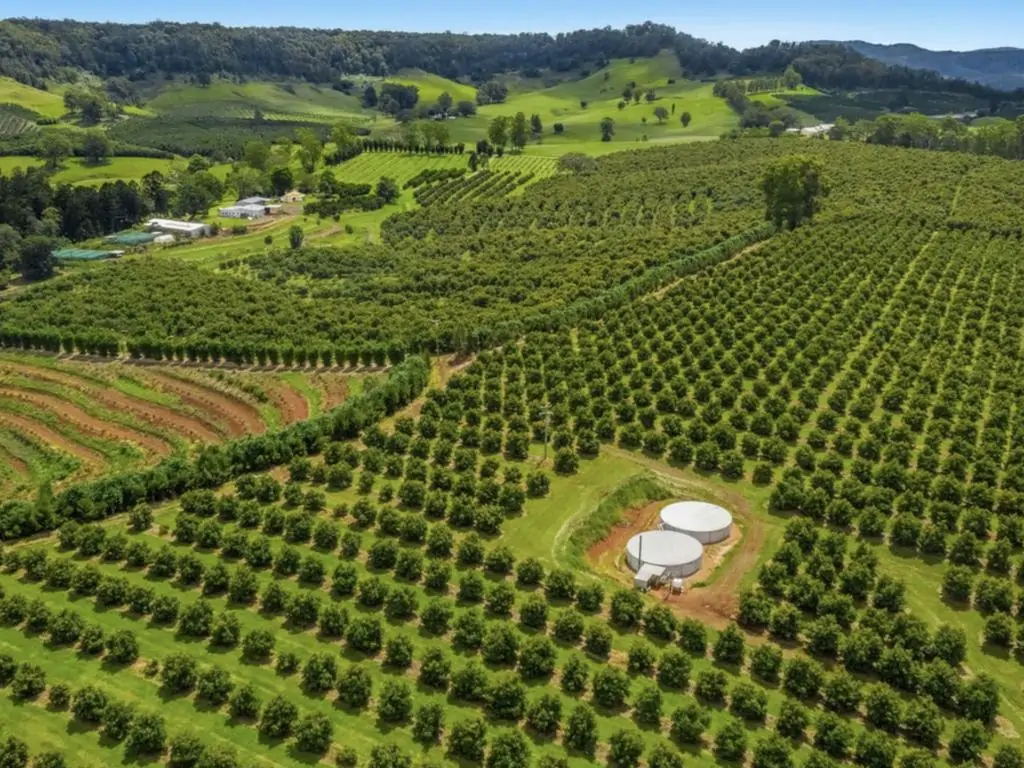
Avocado farming requires patience, quality planting material and a clear long-term market strategy.
4. The Surprising Power of Diversification
One of the biggest risks in agriculture is depending entirely on one source of income. If the crop fails, prices collapse or disease strikes, the entire household income may be affected.
That is why diversification is becoming one of the most important Trans Nzoia farming secrets in 2026.
A practical mixed-farming model might include:
- Maize: Seasonal income and staple crop production.
- Dairy: Potentially regular milk income.
- Avocado: A long-term orchard investment.
- Vegetables: Faster production cycles where water and markets are available.
- Fodder: Support for livestock and reduced feed costs.
The goal is not to overload the farmer with too many enterprises. The goal is to build complementary income streams.
5. Soil Health Is the Secret Many Farmers Ignore
You cannot consistently demand high production from exhausted soil without consequences. Years of repeated cultivation can affect soil structure and nutrient availability.
This is why soil management is becoming more important in commercial agriculture. Instead of guessing, farmers can seek professional advice and use soil information to make better decisions about nutrients and amendments.
Crop rotation, organic matter management and appropriate fertilizer use can all form part of a broader soil-health strategy.
The untold truth: applying more fertilizer does not automatically mean more profit. The correct approach depends on the crop, soil condition and agronomic recommendations.
6. Water Could Be Your Farm’s Biggest Competitive Advantage
Rain-fed agriculture remains important, but changing weather patterns make water planning increasingly valuable.
Farmers who can harvest rainwater, protect water sources or invest appropriately in irrigation may have more flexibility than those who depend entirely on rainfall.
This can be especially important for high-value crops and dairy fodder production. However, irrigation should be designed carefully because the cost of equipment, energy and water must be justified by the expected returns.
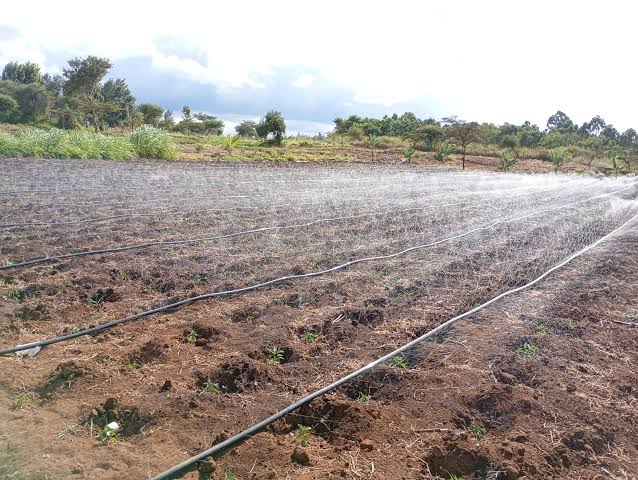
Water planning can help farmers reduce dependence on unpredictable rainfall.
7. The Market Secret: Find the Buyer Before Producing
One of the most common farming mistakes is producing first and searching for a market later.
Smart farmers investigate potential buyers before making major investments. This may include millers, cooperatives, processors, traders, hotels, institutions, retailers or export supply chains.
Ask these questions before expanding production:
- Who is likely to buy the product?
- What quality standards do they require?
- How far is the market from the farm?
- How much will transport cost?
- Is demand seasonal?
- Can the product be stored?
- What happens if the expected buyer does not purchase?
This market-first mindset can prevent expensive farming decisions based purely on rumours or temporary hype.
8. Value Addition: Where Extra Income May Be Hiding
Raw agricultural products often earn less than processed or better-packaged products. That does not mean every farmer needs to build a factory, but even simple improvements can add value.
Examples may include proper grading, cleaning, sorting, packaging, cooling or collective marketing through organized farmer groups.
Dairy farmers may explore legal and properly regulated value-addition opportunities. Crop farmers can improve marketability through better handling and quality control.
Before investing in processing, farmers should understand the applicable licensing, food safety and regulatory requirements. The Kenya Ministry of Agriculture and Livestock Development provides information on national agricultural programmes and policy.
9. Keep Farm Records or Risk Farming Blind
This may be the simplest and most powerful secret in this entire article.
Every serious farmer should know:
- How much was spent on each enterprise.
- How much was harvested or produced.
- How much was sold.
- Who bought the produce.
- How much was lost.
- Which enterprise generated the best return.
A notebook, spreadsheet or farm-management application can be used. The system matters less than consistency.
After one or two seasons, accurate records can reveal shocking information. The enterprise the farmer believed was most profitable may actually be generating the weakest return.
10. Don’t Chase Every Farming Trend
Social media has made it easy for new agricultural opportunities to spread rapidly. Today everyone may be talking about one crop, breed or farming project. Tomorrow the excitement may disappear.
Before investing, calculate the numbers. Visit successful farms where possible. Understand the production cycle and investigate the market.
The real secret is due diligence. Farming trends can inspire ideas, but business decisions should be based on evidence rather than excitement.
What Actually Works for Farmers in Kitale and Trans Nzoia?
There is no single formula for every farmer. A profitable strategy depends on the size of the farm, available capital, water, labour, skills and market access.
However, the strongest pattern is clear: farmers who plan carefully, manage costs, protect soil health, diversify wisely and understand their markets are better positioned than those who simply plant and hope.
Maize can remain important. Dairy can support regular cash flow. Avocado can be a long-term investment. Vegetables and other enterprises can create additional opportunities.
The secret is building the right combination for your particular farm.
Frequently Asked Questions
Is farming profitable in Trans Nzoia in 2026?
Yes, farming can be profitable, but profitability depends on enterprise selection, production costs, yields, weather, management and market prices. Fertile land alone does not guarantee profits.
What is the most profitable crop to grow in Trans Nzoia?
There is no single crop that is automatically the most profitable for every farmer. The best choice depends on land, climate, water availability, capital, production knowledge and access to reliable buyers.
Is maize farming still worth it in Kitale?
Maize can still be a viable enterprise when farmers manage production costs, use appropriate agronomic practices, reduce post-harvest losses and make informed marketing decisions.
Is dairy farming better than maize farming?
Dairy and maize have different production cycles and risks. Dairy may provide more regular income, while maize is generally seasonal. Some farmers reduce risk by combining crop and livestock enterprises.
How much land do I need to start farming in Trans Nzoia?
The required land size depends on the enterprise. Some agricultural activities can work on relatively small plots, while others benefit from larger acreage. The key is choosing an enterprise appropriate for the available resources.
What is the biggest secret to successful farming?
The biggest secret is to treat farming as a business. Know your costs, maintain records, understand your soil, manage production carefully and identify realistic markets before investing heavily.
The Bottom Line for Trans Nzoia Farmers
The most successful farmers in 2026 are not necessarily those with the biggest farms. They are often the ones who understand their numbers and make better decisions.
The hidden opportunity in Trans Nzoia agriculture lies in combining the region’s agricultural potential with modern business thinking. Start with a clear plan, choose the right enterprise, control costs and build a market strategy before expanding.
If you are farming in Kitale or anywhere in Trans Nzoia, the question is no longer simply, “What should I plant?” The more important question is, “How will this farm make a sustainable profit?” Share this guide with another farmer who needs to hear the truth.