

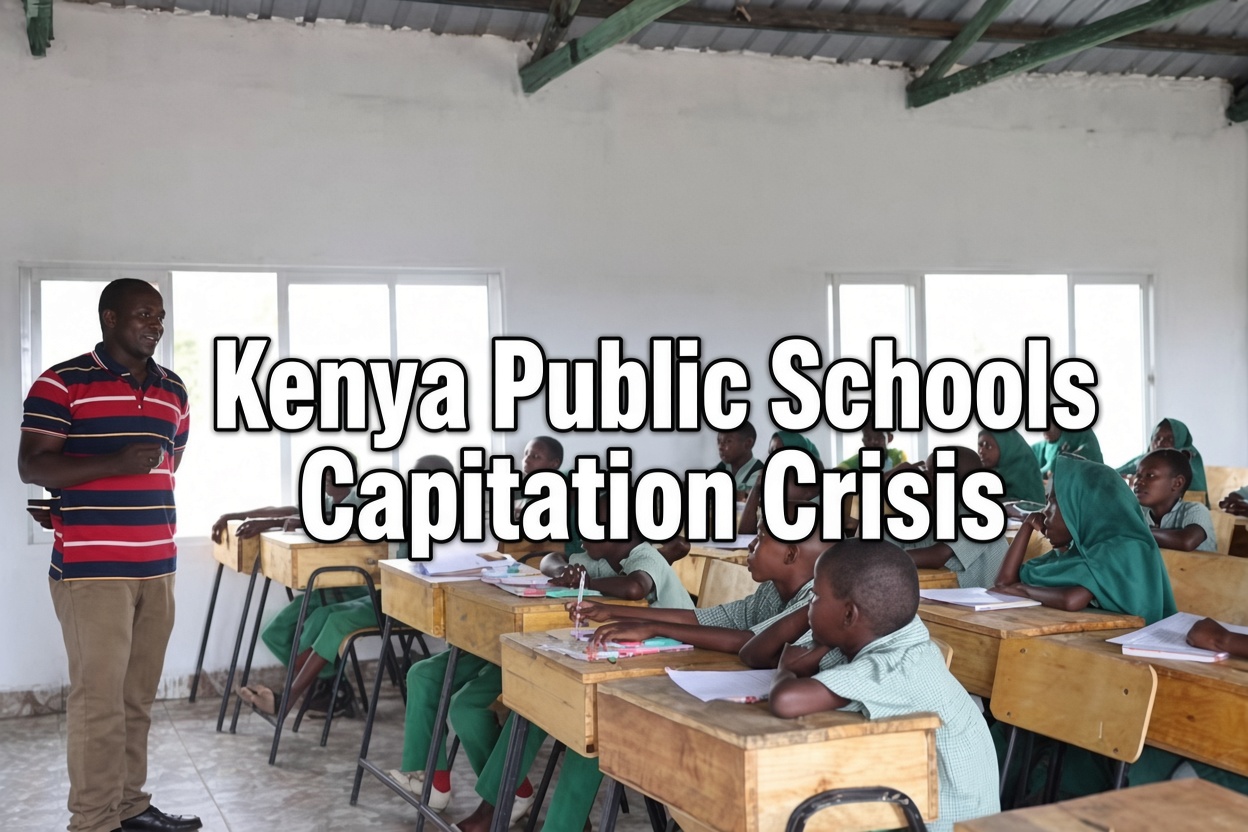
Kenya’s public schools stand at a critical juncture. The Kenya public schools capitation crisis has pushed thousands of institutions to the financial edge, with delayed and incomplete government funding leaving principals unable to meet basic operational needs. What began as a temporary shortfall has become a structural problem that risks undermining free education and the quality of learning for millions of children.
School heads and teacher unions have repeatedly raised the alarm. The statutory annual capitation for senior secondary learners remains KSh 22,244, yet many schools report receiving only about KSh 14,050 to KSh 16,141 in actual bank transfers so far this year. The difference is not merely accounting—it translates into empty kitchens, unpaid electricity bills and limited revision materials for candidates preparing for national examinations.
The Scale of the Shortfall Revealed
Did you know that secondary schools alone have faced cumulative deficits running into tens of billions of shillings over recent years? The Kenya Secondary Schools Heads Association (KESSHA) has documented persistent gaps. In 2026, schools received roughly 72 per cent of the expected annual allocation by the start of Term Three, leaving a shortfall of approximately KSh 6,000 to KSh 8,000 per learner.
Part of the announced disbursements is retained at the ministry level for textbooks and other central programmes. As a result, the figure that reaches school accounts is often lower than the official release total. Last year’s deficit of more than KSh 6,500 per learner was never fully compensated, adding to the mounting pressure.
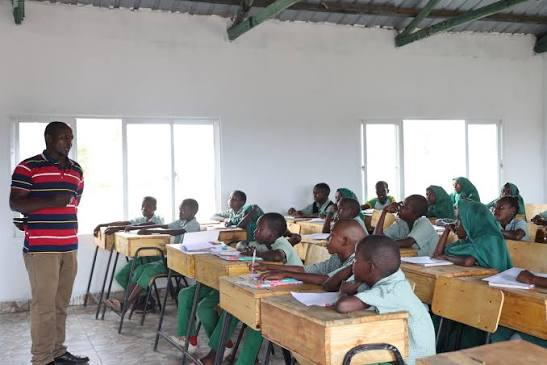
The crisis hits day schools hardest. These institutions rely almost entirely on government capitation and have limited ability to raise additional funds from parents without violating free-education guidelines. Boarding schools face similar pressures as food prices and utility costs continue to climb.
Hidden Costs and the Reality on the Ground
The untold truth is that “free” education still carries significant hidden costs for many families. When schools run short, principals turn to parents for voluntary contributions or risk cutting essential services. Teacher unions such as KUPPET have warned that the KSh 6,000 per-learner gap is increasingly being shifted onto households already stretched by the cost of living.
- Food supplies for boarding and day learners become inconsistent
- Electricity and water bills fall into arrears
- Laboratory chemicals and teaching materials run low
- Exam preparation resources are limited for KCSE candidates
- Maintenance of classrooms and dormitories is postponed
Shocking reports from principals describe schools that have delayed opening or closed early in previous terms because suppliers refused further credit. The pressure intensifies during the final term when national examinations demand peak readiness.
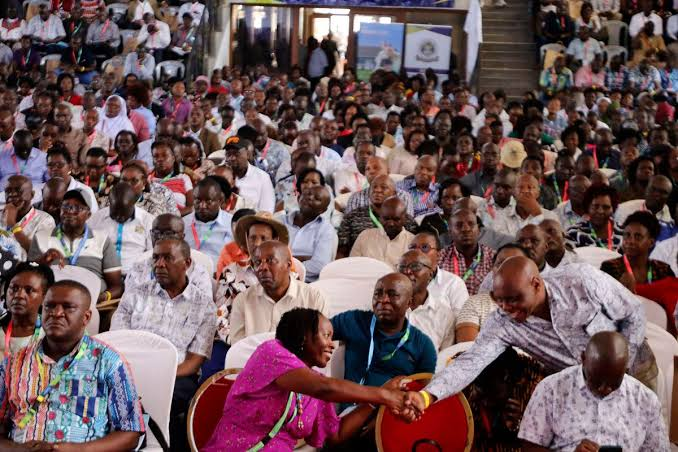
School heads raise concerns over incomplete capitation disbursements.
Why the Capitation Model Is Straining
The current rates were set years ago and have not kept pace with inflation or enrolment growth. Secondary school numbers have risen steadily, yet budget allocations have not matched the increase. Data challenges in the National Education Management Information System (NEMIS) have also complicated accurate disbursements, with some learners missing out entirely due to incomplete records or missing birth certificates.
Education officials have attributed shortfalls to broader fiscal constraints at the National Treasury rather than deliberate withholding by the ministry. Verification exercises intended to eliminate “ghost” schools and learners have delayed releases further. While these checks are necessary for accountability, the timing has left schools cash-strapped precisely when they need funds most.
Primary and junior secondary levels face parallel pressures. Capitation for primary learners has been increased in some budgets, yet overall allocations still fall short of full enrolment needs in certain years. Special needs schools report even more acute challenges because their higher per-learner rates are rarely fully disbursed.

Caption: Food provision remains one of the first casualties when capitation is incomplete.
Impact on Learning and the Road to 2027
The Kenya public schools capitation crisis is not abstract. It directly affects teaching quality, learner motivation and examination outcomes. Principals have linked part of the recent student unrest to inadequate feeding and poor living conditions in boarding facilities. Teachers struggle to deliver the Competency-Based Curriculum without adequate materials and support.
Looking ahead to 2027, the stakes rise higher. Full implementation of senior school pathways under the new curriculum structure, combined with expected enrolment growth, will place even greater demand on the funding system. Without a realistic review of the per-learner rates and more predictable disbursement schedules, the gap between policy and practice will widen.
Did you know that some analyses show secondary schools receiving as little as 53 per cent of the expected allocation in earlier years? The gradual improvement to around 70 per cent still leaves a structural deficit that schools cannot close on their own.
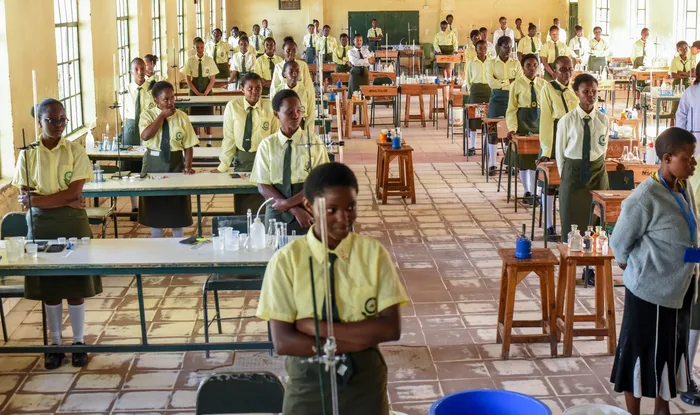
Candidates prepare for national assessments amid funding constraints.
What Must Change Before 2027
Several practical steps can stabilise the system:
- Review and adjust the statutory capitation rates to reflect current costs of food, utilities and learning materials
- Ensure the full approved amount reaches school accounts rather than being partially retained centrally
- Improve the reliability and verification of learner data in the education management information system
- Establish a predictable multi-year disbursement calendar so schools can plan with certainty
- Provide transitional support for schools carrying historical deficits from previous years
Teacher unions and school heads have called for open dialogue with the Ministry of Education and the National Treasury. Recent meetings between Cabinet Secretary Julius Ogamba and KUPPET officials signal that the conversation has started. The test will be whether those discussions produce timely and adequate cash in school bank accounts.
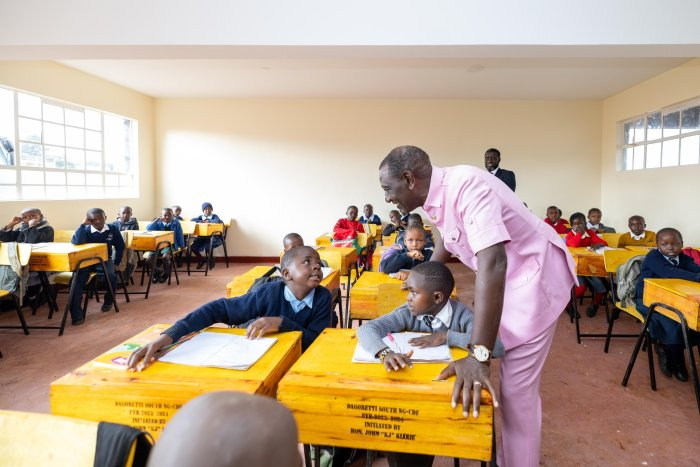
Timely and complete disbursement remains the key demand from school managers.
Parents, educators and policymakers share a common interest: protecting the gains of free primary and secondary education. The secret to sustainable progress lies in matching political commitments with realistic budgets and efficient delivery systems. Anything less risks turning a policy success story into a cautionary tale of underfunded institutions.
The time for half-measures has passed. Kenya’s public schools need a clear, funded plan that closes the current gap and prepares the system for the demands of 2027 and beyond. Learners cannot wait for another cycle of shortfalls and last-minute releases.
Share your experiences: How has the funding situation affected your local school? Join the conversation and help amplify the call for sustainable education financing.
Frequently Asked Questions
What is the official annual capitation for secondary school learners in Kenya?
The statutory rate for Free Day Secondary Education is KSh 22,244 per learner per year. This figure covers tuition, activities, medical insurance, administration and maintenance components.
Why do schools report receiving less than the official amount?
Part of the announced release is often retained at the ministry for textbooks and other central programmes. Actual bank transfers to schools have frequently ranged between KSh 14,000 and KSh 16,000 per learner in recent disbursements.
Which schools are most affected by the shortfalls?
Day secondary schools (especially Cluster 4 institutions) depend almost entirely on government funding and feel the impact most severely. Boarding schools also struggle with rising food and utility costs also https://www.omarosaomarosa.com/10210/list-of-all-public-primary-schools-in-nairobi-county/
Has the government reduced the official capitation rate?
Education officials maintain that the official rates remain unchanged. Shortfalls arise from incomplete budget allocations and the difference between announced releases and funds that reach school accounts.
What is being done to address data and verification issues?
The Ministry of Education is transitioning from NEMIS to a new system (KEMIS) and conducting verification exercises to eliminate discrepancies in learner records. These processes have contributed to some delays in disbursement.
How does the crisis affect preparation for national examinations?
Incomplete funding limits the purchase of revision materials, laboratory resources and adequate feeding. Principals have warned that persistent shortfalls can disrupt the final term when candidates need maximum support.