


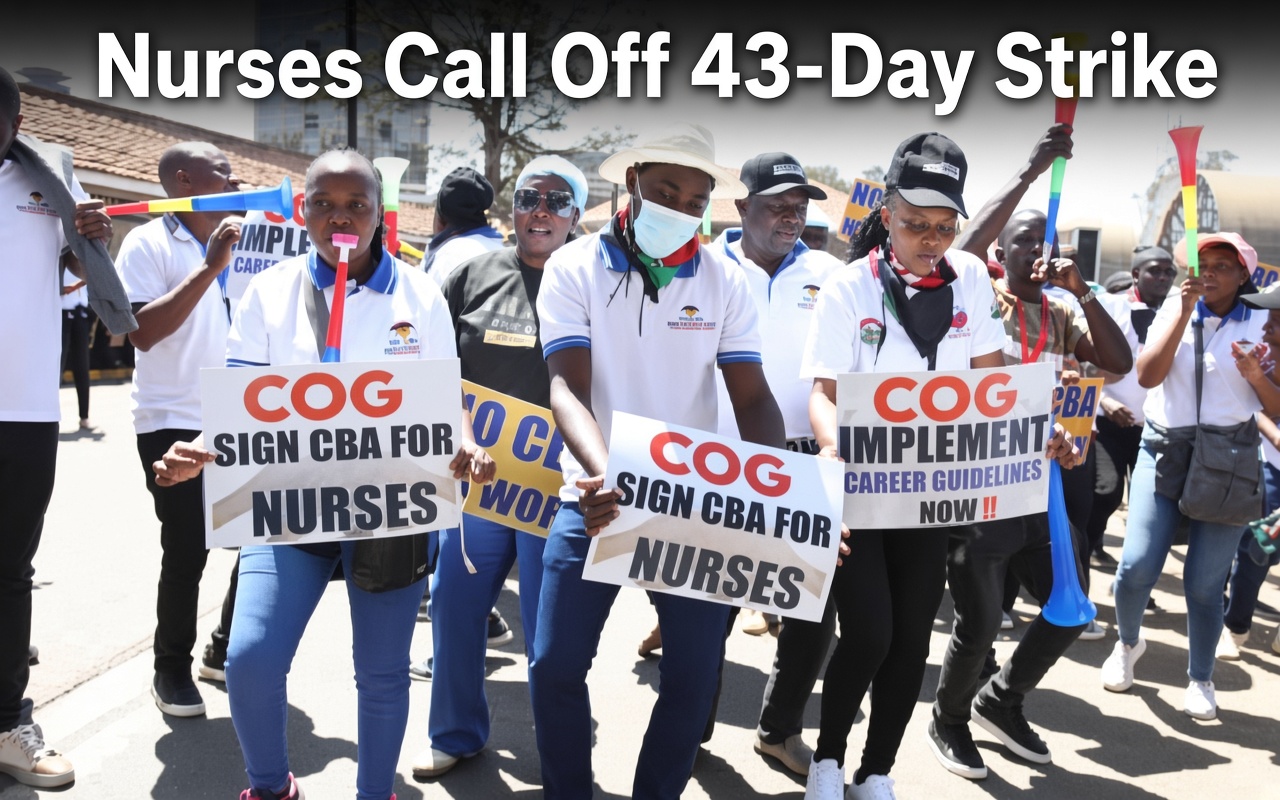
The Kenya nurses strike has taken a major turn after the Kenya National Union of Nurses and Midwives (KNUNM) reached a breakthrough with the Council of Governors, opening the way for nurses to return to public hospitals after more than six weeks of industrial action.
The development follows intense negotiations between the union and county governments after the nationwide strike disrupted healthcare services across the country and placed enormous pressure on public hospitals.
Nurses Strike Ends After Breakthrough Agreement
The breakthrough came after renewed negotiations between KNUNM and the Council of Governors, with the two sides moving closer to an agreement on some of the key grievances that triggered the industrial action.
Council of Governors Chairperson Ahmed Abdullahi announced on Tuesday that the governors had reached a deal through the council’s health committee.
Under the proposed agreement, nurses are set to receive an additional KSh8,000 risk allowance and KSh5,000 uniform allowance, representing a combined increase of KSh13,000 across the two allowances.
The development was reported as a possible breakthrough after the union had repeatedly insisted that nurses would not return to work based on promises alone and wanted concrete agreements that could be implemented.
What Triggered the 43-Day Strike?
The nationwide industrial action began on July 29, 2026, after KNUNM accused county governments and other authorities of failing to implement longstanding agreements covering nurses’ employment and working conditions.
At the heart of the dispute was the implementation of the 2017 Return-to-Work Formula and Collective Bargaining Agreement, which nurses say has remained substantially unimplemented years after it was negotiated.
The union has also raised concerns over career progression, delayed promotions, allowances, employment terms for Universal Health Coverage workers and other outstanding labour issues.
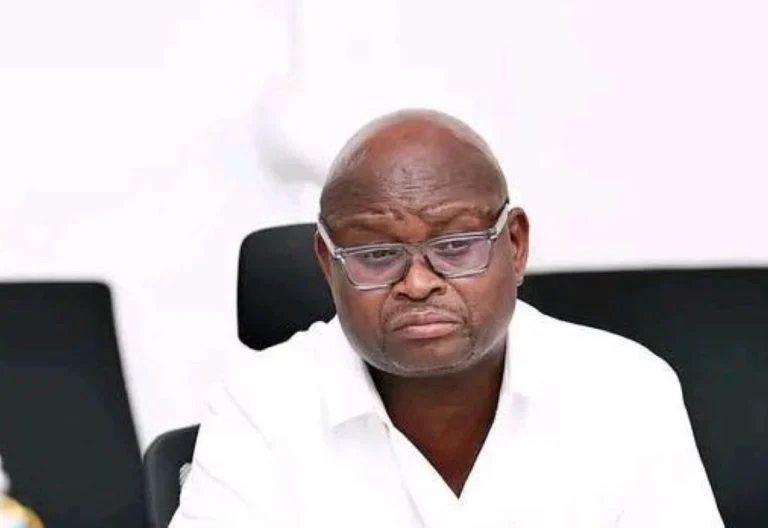
KNUNM Secretary-General Seth Panyako has repeatedly maintained that nurses need an agreement capable of addressing the grievances before they can resume normal duties.
KSh13,000 Allowance Increase at the Centre of Deal
One of the most significant elements of the proposed agreement is the increase in two allowances paid to nurses.
The proposed arrangement would increase the risk allowance by KSh8,000 and the uniform allowance by KSh5,000.
That would give eligible nurses a combined additional allowance of KSh13,000, although the wider implementation framework and other outstanding issues remain important to the final return-to-work arrangements.
The proposed increase comes after nurses argued that some allowances had remained unchanged for years despite rising living costs and increasing demands on healthcare workers.
Why the Deal Matters to Kenyan Patients
The Kenya nurses strike has had a major effect on healthcare delivery, particularly in county hospitals where nurses provide much of the day-to-day patient care.
Hospitals have reported disruptions in outpatient services, maternal care, inpatient services and other essential healthcare operations.
The prolonged dispute also generated concerns about patients who could not access routine or emergency services at public facilities.
Recent reporting has highlighted the growing pressure on hospitals, with doctors warning that they were increasingly being required to cover workloads created by the nurses’ absence.
Doctors Had Threatened to Join the Strike
The dispute reached another critical stage this week when doctors threatened to join the industrial action.
Doctors’ union officials said their members were becoming increasingly overburdened as they attempted to cope with the disruption caused by the nurses’ strike.
The doctors issued a seven-day ultimatum for the government to resolve the nurses’ grievances, raising the possibility of a much wider healthcare-sector shutdown.
The proposed nurses’ agreement could therefore prevent the crisis from escalating into another major nationwide health workers’ strike.
Seth Panyako: Nurses Were Ready to Negotiate
KNUNM Secretary-General Seth Panyako said on Wednesday that nurses were prepared to make concessions during negotiations as long as governors were also willing to compromise.
His position signalled a significant opening for a negotiated settlement after weeks of confrontation between the union, county governments and other government agencies.
Panyako had previously argued that nurses could not simply return to work on the basis of verbal assurances. The union wanted commitments that could be formally agreed upon and implemented.
The latest negotiations appear to have created the conditions for the two sides to move towards a return-to-work arrangement.
The 2017 Agreement Remains a Major Issue
Despite the latest breakthrough, the long-running dispute over the 2017 agreement remains an important part of the story.
Nurses have argued that the agreement established important employment and remuneration provisions that should have been implemented years ago.
The Council of Governors, however, has disputed aspects of the union’s interpretation of the agreement. CoG Chairperson Ahmed Abdullahi previously argued that the 2017 agreement had been signed under difficult circumstances and had not been implemented.
The disagreement over the old agreement contributed significantly to the prolonged industrial action.
What Nurses Have Been Demanding
KNUNM has presented several grievances during the dispute. Among the major issues are implementation of collective bargaining agreements, the 2017 Return-to-Work Formula, career progression and improved employment terms.
The union has also pushed for the permanent and pensionable employment of Universal Health Coverage workers and resolution of other county-level employment disputes.
Another issue raised by the union concerns nurses who were dismissed in Kisii County and whose reinstatement has remained unresolved.
The breadth of the demands explains why negotiations have taken weeks and why a simple announcement of increased allowances does not necessarily resolve every issue raised by the union.
Governors Under Pressure to Restore Hospital Services
County governments have faced mounting pressure to restore normal operations in public hospitals.
Governors have repeatedly argued that they must balance workers’ demands with the financial realities facing county governments and their constitutional responsibility to provide healthcare services.
Some counties had already taken individual measures to maintain essential services during the strike.
For example, Mombasa County announced plans to recruit hundreds of nurses on contract to cushion public hospitals from the staffing shortage created by the industrial action.
The national agreement could now provide a more coordinated solution to the crisis across all 47 counties.
President Ruto Welcomes the Breakthrough
President William Ruto has welcomed the development, congratulating the parties involved in resolving the dispute.
The President’s reaction came as the healthcare crisis threatened to widen following the doctors’ warning that they could also take industrial action if the nurses’ grievances were not resolved.
A return to normal operations would provide relief to patients, families and healthcare workers who have endured weeks of uncertainty.
What Happens Next?
Although the latest development represents a major breakthrough, attention will now shift to the implementation of the agreement.
Nurses have repeatedly emphasized that previous agreements failed because commitments were not fully implemented. The success of the latest deal will therefore depend heavily on whether the agreed measures are translated into concrete action.
The union and county governments will also need to address outstanding issues that extend beyond the two allowances covered in the latest proposal.
Healthcare workers and patients will be watching closely to determine when nurses will officially resume duty and how quickly services will return to normal.
Did You Know? The Strike Lasted More Than Six Weeks
The nationwide nurses’ strike began on July 29 and entered its sixth week in September.
On September 8, nurses staged demonstrations in Nairobi as they marked the 40th day of the industrial action. The demonstrations increased pressure on the Council of Governors to find a settlement.
The timing of the latest negotiations was particularly significant because the dispute had reached a critical point, with doctors threatening to join the action and public hospitals facing increasing pressure.
The Bigger Picture for Kenya’s Healthcare System
The nurses’ dispute has exposed deeper challenges in Kenya’s devolved healthcare system.
County governments employ large numbers of healthcare workers, while the national government remains responsible for broader policy, financing frameworks and national health institutions. This division can make negotiations over salaries, allowances and employment conditions complex.
The Untold issue behind the strike is therefore bigger than one allowance or one collective bargaining agreement. It concerns how Kenya can sustainably finance and manage its healthcare workforce under devolution.
The latest agreement could provide a pathway towards resolving the immediate dispute, but longer-term reforms will still be necessary if similar strikes are to be avoided in the future.
What the End of the Strike Means for Kenyans
For millions of Kenyans who depend on public hospitals, the biggest benefit of the breakthrough will be the potential restoration of normal healthcare services.
Patients who postponed medical appointments, struggled to access treatment or were forced to seek expensive alternatives at private facilities could begin returning to county hospitals.
Health workers, meanwhile, will be looking for evidence that the commitments made during negotiations will actually be implemented.
The Truth is that ending the strike is only the first step. The real test will be whether the government and county authorities can maintain the commitments that brought nurses back to the negotiating table.
Stay Updated on the Kenya Nurses Strike
The latest agreement marks a potentially decisive moment in Kenya’s longest-running nurses’ industrial dispute in recent years. After 43 days of disruption, negotiations between KNUNM and the Council of Governors have produced a proposed package that could finally pave the way for nurses to return to work also https://www.omarosaomarosa.com/13308/how-kenyans-can-import-electronics-from-china-successfully/.
OmarosaOmarosa.com will continue monitoring the implementation of the agreement, the nurses’ official return-to-work announcement and any further developments affecting public hospitals across Kenya.
Follow OmarosaOmarosa.com for breaking Kenya news, health updates, politics, business and major national developments.
Update: The latest reports describe the allowance package as a proposed agreement reached through negotiations. The final return-to-work arrangements and implementation details should be confirmed by KNUNM and the Council of Governors.
Frequently Asked Questions
Have Kenyan nurses called off their strike?
Reports indicate that KNUNM and the Council of Governors have reached a breakthrough agreement that is expected to pave the way for nurses to end the nationwide strike and resume duty. Final return-to-work and implementation arrangements remain important.
How long did the nurses’ strike last?
The nationwide strike began on July 29, 2026. By September 9, it had entered its 43rd day.
How much will nurses’ allowances increase?
The proposed agreement provides for an additional KSh8,000 risk allowance and KSh5,000 uniform allowance, a combined increase of KSh13,000.
Why did nurses go on strike?
The union cited several grievances, including implementation of the 2017 Return-to-Work Formula, collective bargaining agreements, career progression, employment terms for UHC workers and outstanding remuneration issues.
Will public hospitals reopen normally?
The agreement is expected to pave the way for nurses to return to work, but the timing and implementation of the return-to-work arrangements will depend on the formal agreement between the union and county governments.
Could doctors still strike?
Doctors had threatened industrial action because of increased workloads caused by the nurses’ absence. A successful resolution of the nurses’ dispute could reduce that risk, although the doctors’ position should be monitored separately.