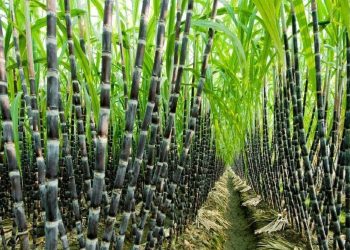
Jute mallow, known locally as mrenda, is a popular and highly nutritious indigenous leafy vegetable in Kenya. Its rising demand in local diets and markets makes it a promising crop for both small-scale and large-scale farmers seeking to diversify their agribusiness ventures.
Common Varieties in Kenya
- White Jute
- Tossa Jute
- BINA Variety
These varieties differ in growth habits and maturity periods, offering farmers options suited to their climatic conditions and production goals.
Ecological Requirements
- Soil: Prefers well-drained sandy-loam soils with a pH of around 6.4.
- Climate: Thrives in warm, humid conditions with temperatures between 15°C–30°C.
- Rainfall: Requires an annual precipitation of 600–2000mm.
- Altitude: Grows well between 0–1500m above sea level.
Adequate moisture is crucial, especially during germination and early growth stages.
Land Preparation
- Weeding & Clearing: Remove all weeds and debris to reduce competition for nutrients.
- Tillage: Prepare the land to a fine tilth for uniform seedbed and easy seed establishment.
Incorporating well-decomposed organic matter can improve soil fertility, structure, and water retention.
Planting and Propagation
Propagation Method: Seeds are commonly used. About 5–8 kg of seeds per hectare is sufficient.
Seed Treatment:
Jute mallow seeds have a dormancy period. To break dormancy, submerge seeds briefly (about 10 seconds) in boiled water before sowing.
Sowing Technique:
- Broadcasting or Line Sowing: Seeds can be sown by broadcasting or in lines.
- Spacing: Taller varieties require 10cm x 30cm spacing, while broader varieties need 15cm x 45cm spacing.
Ensure the soil has enough moisture. Consider irrigation if rains are insufficient, as jute mallow is sensitive to drought.
Pests and Diseases
Common Pests: Spider mites, nematodes, caterpillars, and leaf-eating beetles.
Common Diseases: Leaf spot and powdery mildew.
Control Measures:
- Practice crop rotation to disrupt pest cycles.
- Use recommended pesticides (e.g., trichoderma, dynamic) and fungicides for disease control.
- Maintain proper sanitation and remove infected plant material to prevent disease spread.
Harvesting
Maturity depends on the variety, generally ranging from 100–150 days. Harvest tender leaves and shoots once the plants have established enough foliage.
Market and Prices
Jute mallow is widely accepted and consumed across Kenya. It is sold in:
- Local open-air vegetable markets
- Groceries and supermarkets
- Hotels and restaurants
Prices vary by region and season. In most local vegetable markets, small bunches can sell for as low as Ksh 10.
In summary, jute mallow farming offers Kenyan farmers an opportunity to cultivate a nutritious indigenous vegetable with consistent local demand. By following best agronomic practices, managing pests and diseases, ensuring adequate moisture, and harvesting at the right time, farmers can reap significant benefits from this leafy green staple.