

Overview of the Seizure Operation
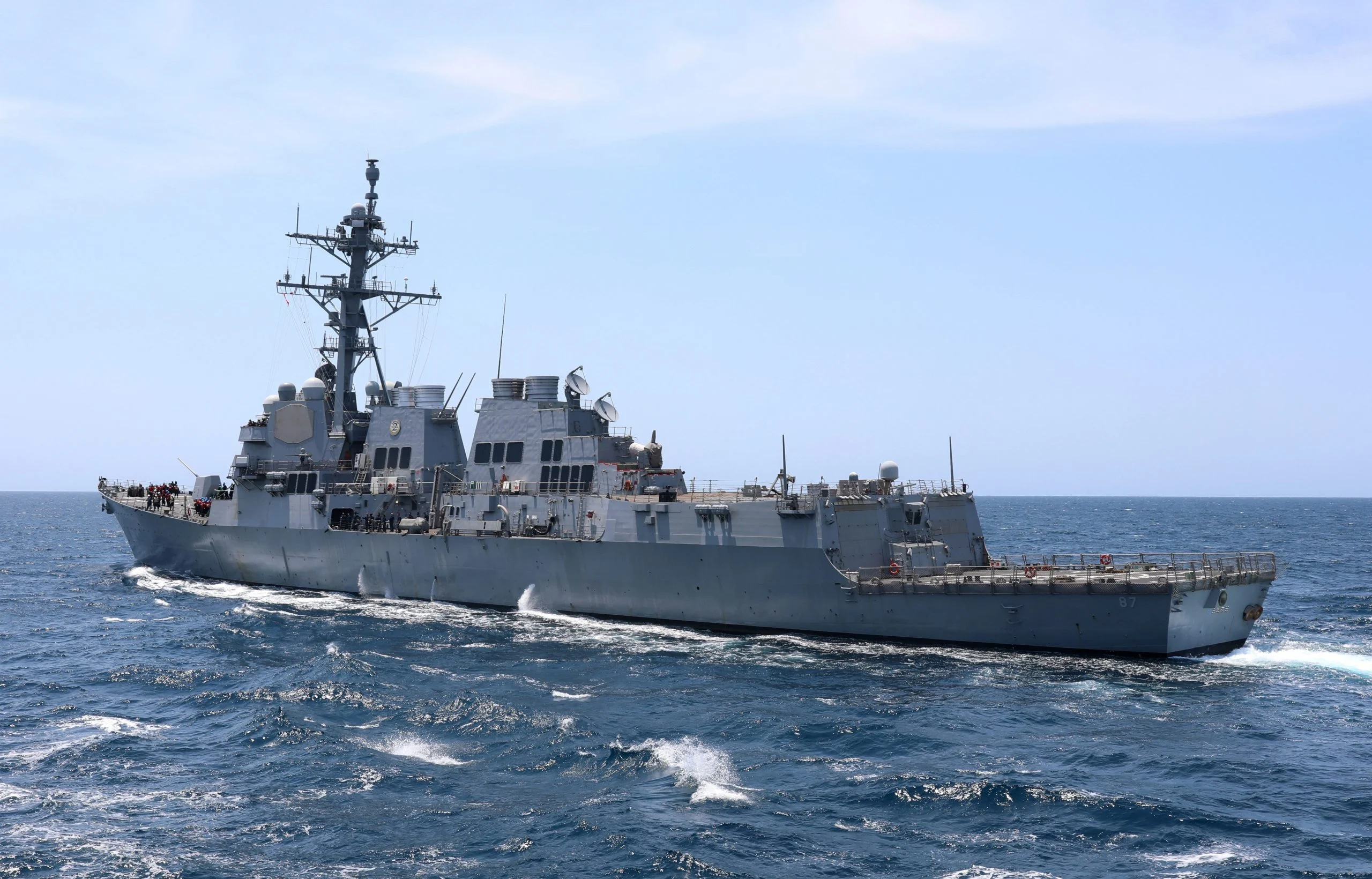
The recent maritime confrontation began when a U.S. Navy destroyer intercepted and seized a large oil tanker reportedly carrying more than two million barrels of crude oil. According to preliminary information published by reputable global outlets, the operation occurred in international waters near Venezuela’s maritime boundary.
U.S. defense officials stated that the tanker was suspected of violating long-standing sanctions, prompting the decision to intervene. The move has deepened tensions between Washington and Caracas, while regional governments closely monitor the situation.
Why the Operation Marks a Major Escalation
The scale and location of the seizure elevate it far beyond a routine sanctions enforcement action. The tanker’s size, cargo volume, and proximity to Venezuelan territory have sparked diplomatic backlash and concerns of potential retaliation. This is especially significant given the ongoing disputes over offshore energy assets in the Caribbean basin.
Shifts in Regional Strategy
Analysts note that the U.S. has been increasing maritime surveillance across the region. The move aligns with broader strategic objectives aimed at curbing oil flows that allegedly bypass sanctions. This shift is evident in recent defense reports from the U.S. Department of Defense, which highlight enhanced operational presence across the Western Hemisphere.
Ripple Effects for International Trade Routes
The tanker seizure may disrupt shipping lanes that supply crude to multiple global markets. Maritime insurers have already raised risk assessments for vessels operating near sanctioned territories.
Historical Context and Precedents
This is not the first incident involving contested oil shipments in the Caribbean. Several years ago, similar tankers linked to sanctioned regimes were detained in multi-nation operations. However, the scale of the current situation stands out due to both the volume of oil involved and the heightened diplomatic climate.
Previous Seizures and Their Outcomes
- Past seizures often resulted in lengthy legal battles in U.S. federal courts.
- Some tankers were released after owners provided documentation proving lawful cargo origin.
- Others were permanently confiscated, with cargo proceeds redirected under sanctions law.
Legal outcomes varied considerably depending on evidence, vessel ownership structure, and political pressure.
Geopolitical Implications
Oil-related enforcement actions have historically triggered diplomatic standoffs, and this case appears no different. Venezuela has issued strong statements condemning the action as a violation of sovereignty, while the U.S. maintains that the tanker was operating unlawfully.
Response From Venezuela and Regional Allies
Government officials in Caracas criticized the operation, calling it an “aggressive provocation.” Neighboring countries have responded cautiously, though several Caribbean states have called for a de-escalation through multilateral dialogue. Reports from the United Nations indicate that an emergency briefing on the matter may be scheduled.
Impacts on Global Energy Markets
The price of crude spiked briefly after initial reports of the seizure emerged. Market analysts warned that continued tensions in the region may contribute to price volatility. This is significant for import-dependent economies and industries tied heavily to fuel pricing.
Legal Questions Surrounding the Operation
International maritime law allows warships to stop and inspect vessels suspected of illicit activity in international waters. However, the scope of enforcement remains subject to legal interpretation, especially when sanctions are not supported by multilateral bodies.
Jurisdictional Tensions
The Venezuelan government claims the tanker was seized within its economic exclusion zone (EEZ), though U.S. officials dispute this assertion. Independent maritime tracking data, referenced in a report published by Reuters, suggests the tanker may have been slightly outside contested waters. Exact coordinates remain under review.
How the Seizure Could Affect Future Maritime Operations
The incident could set new precedents for sanctions enforcement. Shipowners operating near sanctioned countries may need to reassess risk exposure, compliance requirements, and insurance obligations. More scrutiny is expected for tankers using complex ownership networks to conceal cargo origin.
What Shipping Companies Should Prepare For
- Enhanced tracking and verification of cargo documentation.
- Tighter cooperation with maritime authorities in neutral states.
- Increased cybersecurity to prevent manipulation of vessel transponders.
- Frequent review of sanctions updates and regional advisories.
Relevant Internal Resources
- Guide X: Understanding Maritime Security Risks – Offers foundational knowledge on navigational and trade risks.
- Service Y: Compliance Advisory – Helps businesses understand sanction-related requirements.
- Blog Z: Global Energy Trends – Provides insights into how supply chain disruptions affect markets.
- Resources A: Security Forecasts – Outlines predictions for high-risk trade corridors.
What Happens Next?
U.S. officials have confirmed the tanker is being transported to a secure port for inspection. The process may take several weeks as analysts assess cargo origins, crew passports, and ownership records. Diplomatic efforts are expected to intensify as both nations seek to avoid further escalation.
Frequently Asked Questions
Why did the U.S. military seize the oil tanker?
The U.S. claims the tanker violated sanctions targeting unauthorized oil shipments. Officials cited evidence suggesting the cargo’s origin was concealed.
Was the tanker in Venezuelan waters?
The exact location is disputed. The U.S. reports the ship was in international waters, while Venezuela asserts it was within its exclusive economic zone.
What does the seizure mean for global oil markets?
Short-term price spikes are possible. Continued tensions could lead to broader volatility in global energy supply chains.
Could this incident lead to further military escalation?
Experts warn that miscalculations could increase tensions, though both nations have indicated they prefer to avoid direct conflict.
What happens to the seized oil?
After inspection and legal review, the cargo may be confiscated, returned, or redistributed depending on court rulings and diplomatic negotiations.