Did You Know? Millions of entrepreneurs in the United States choose an LLC because it protects personal assets while keeping business setup relatively simple.
If you are wondering how to start an LLC in the USA, this step-by-step guide explains everything you need to know—from choosing a business name to filing legal documents and opening a business bank account.

Starting an LLC is one of the most popular ways to launch a business in America
What Is an LLC?
An LLC, or Limited Liability Company, is a legal business structure that separates your personal assets from your business liabilities.
As a result, if the business faces debts or lawsuits, your personal finances usually remain protected.
In addition, LLCs offer flexibility in taxation and management, making them ideal for freelancers, startups, and small business owners.
Why People Choose an LLC
There are several advantages to forming an LLC in the United States:
- Personal liability protection
- Simple business structure
- Flexible tax options
- Less paperwork compared to corporations
- Professional credibility
Hidden Truth: Many online businesses and freelancers operate under LLCs to protect themselves legally.
Step 1: Choose Your LLC Name
Your business name must be unique and comply with state regulations.
Most states require the name to include terms like:
- LLC
- L.L.C.
- Limited Liability Company
Before registering, search your state’s business database to confirm the name is available.

Choosing the right business name is a critical first step
Step 2: Select a Registered Agent
A registered agent is a person or company responsible for receiving legal documents on behalf of your LLC.
You can act as your own registered agent in many states. However, some entrepreneurs prefer professional services for privacy and convenience.
Step 3: File Articles of Organization
This is the official document used to create your LLC.
You must file it with the Secretary of State or relevant agency in your state.
Typically, the filing includes:
- Business name
- Business address
- Registered agent information
- Management structure
Filing fees vary by state, usually ranging from $50 to $500.
Step 4: Create an Operating Agreement
An operating agreement outlines how the LLC will operate internally.
Although some states do not legally require it, having one is highly recommended.
It should include:
- Ownership percentages
- Member responsibilities
- Profit distribution
- Voting rights
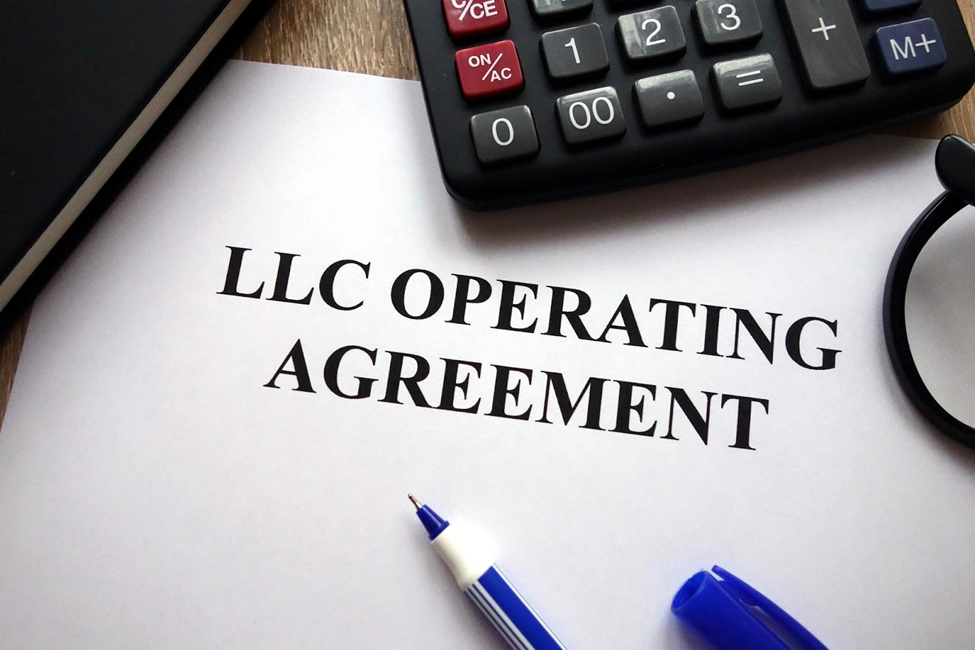
An operating agreement helps prevent future business disputes
Step 5: Apply for an EIN
An EIN (Employer Identification Number) is issued by the IRS and works like a tax ID for your business.
You will need an EIN to:
- Open a business bank account
- Hire employees
- File taxes
The good news is that applying for an EIN is free through the IRS.
Step 6: Open a Business Bank Account
Separating personal and business finances is extremely important.
A dedicated business bank account helps:
- Protect liability status
- Track expenses easily
- Improve professionalism
Most banks require your EIN and LLC formation documents.
Step 7: Understand Taxes and Licenses
Depending on your business type and location, you may need:
- Business licenses
- Sales tax permits
- Professional certifications
Additionally, LLC taxation varies depending on whether you choose sole proprietorship, partnership, or corporate tax treatment.
How Much Does It Cost to Start an LLC?
The cost depends on the state and services you use.
Typical expenses include:
- State filing fees
- Registered agent fees
- Business licenses
- Annual report fees
On average, most entrepreneurs spend between $100 and $800 to form an LLC.

Startup costs vary depending on state requirements
Common Mistakes to Avoid
Many new business owners make avoidable mistakes when forming an LLC.
- Using a name already registered
- Mixing personal and business finances
- Ignoring annual filing requirements
- Skipping an operating agreement
Secret Tip: Staying compliant with annual reports helps avoid penalties and business suspension.
Can Non-U.S. Residents Start an LLC?
Yes. Non-U.S. residents can legally form LLCs in many states, including Wyoming, Delaware, and Florida.
However, tax obligations and banking requirements may differ for international entrepreneurs.
If you are planning to move to America for studies or business opportunities, you may also find this helpful: study in Germany.
Best States to Form an LLC
Popular states for LLC formation include:
- Delaware
- Wyoming
- Nevada
- Texas
- Florida
Each state has different tax laws and filing costs. Therefore, research carefully before choosing.
Conclusion
Learning how to start an LLC in the USA is an important step toward building a legal and protected business.
Although the process may seem complicated initially, it becomes manageable when broken into clear steps.
Final Takeaway: An LLC provides flexibility, credibility, and legal protection for entrepreneurs looking to grow in the American market.
Stay informed: Follow more business and entrepreneurship guides to build your future successfully.
Frequently Asked Questions
1. How long does it take to form an LLC?
It can take anywhere from one day to several weeks depending on the state.
2. Can one person own an LLC?
Yes, single-member LLCs are allowed in all states.
3. Do LLCs pay taxes?
Yes, but tax treatment depends on how the LLC is structured.
4. Is an LLC better than a sole proprietorship?
An LLC offers better liability protection.
5. Can foreigners open LLCs in the USA?
Yes, many states allow non-residents to form LLCs.
6. Do I need a lawyer to start an LLC?
No, many people form LLCs without attorneys.