


How Will the Ban Affect Asylum and Refugee Processing
Understanding the Recent Asylum Ban
In December 2025, the Trump administration implemented a sweeping immigration policy that includes a processing freeze on various benefits, directly influencing asylum and refugee systems. This ban expands on previous travel restrictions, targeting nationals from 19 high-risk countries such as Afghanistan, Somalia, and Yemen. It halts decisions on asylum applications for all nationalities, regardless of origin, starting from November 28, 2025.
The policy was announced following a deadly shooting incident, with officials citing the need for enhanced vetting. However, no direct evidence links the affected groups to increased security risks. This move revives elements of the earlier “Muslim ban” and introduces new layers of scrutiny, including reviews of previously approved cases from 2021 onward.
For those unfamiliar with the system, asylum processing typically involves filing applications with U.S. Citizenship and Immigration Services (USCIS), followed by interviews and decisions. Refugee processing, managed through the U.S. Refugee Admissions Program (USRAP), includes overseas vetting before resettlement. The ban disrupts both, creating backlogs and uncertainty.
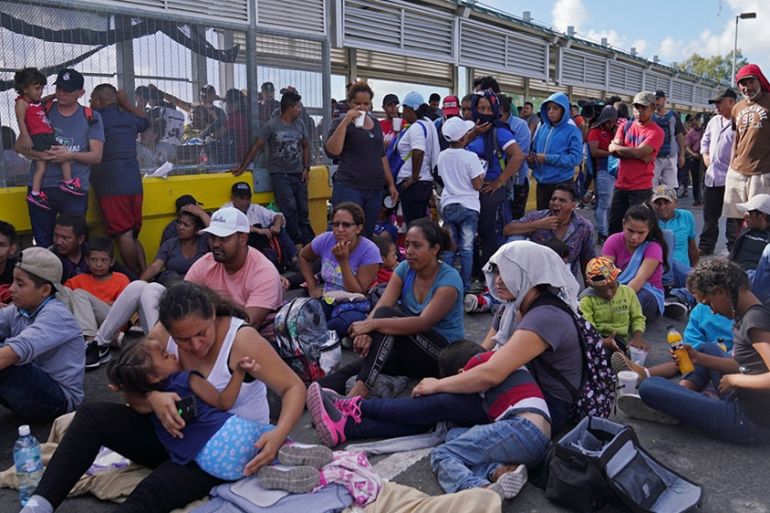
Asylum seekers at the border face heightened challenges under the new ban, as processing delays exacerbate their vulnerabilities.
Immediate Effects on Asylum Processing
The asylum ban immediately pauses all final decisions—approvals, denials, or closures—on affirmative asylum applications. This affects over 1.4 million pending cases, leaving applicants in limbo without work authorization renewals or status updates. Interviews may still occur, but no resolutions follow, prolonging wait times that already average several years.
For nationals of the 19 targeted countries, the freeze is even more comprehensive. It includes halts on green card adjustments, citizenship applications, and work permits. If extensions aren’t processed, individuals risk falling out of legal status, leading to potential deportation proceedings.
Step-by-step, here’s how it unfolds: First, applications are flagged for review. Second, interviews are canceled or postponed. Third, families experience separations as reunification processes stall. Examples include Afghan allies under Special Immigrant Visas (SIVs), whose documents are now refused or destroyed.
Transitioning to broader impacts, this policy not only affects individuals but also strains USCIS resources, diverting attention from routine operations.
Challenges for Asylum Seekers
Asylum seekers from diverse backgrounds, including those fleeing political persecution in Venezuela or violence in Haiti, now face indefinite delays. Without decisions, they cannot access benefits like employment authorization, heightening economic hardships.
Advocates report increased mental health strains, with many living in fear of removal. For instance, a Somali applicant who arrived in 2023 might see their case reviewed anew, potentially revoking prior approvals.
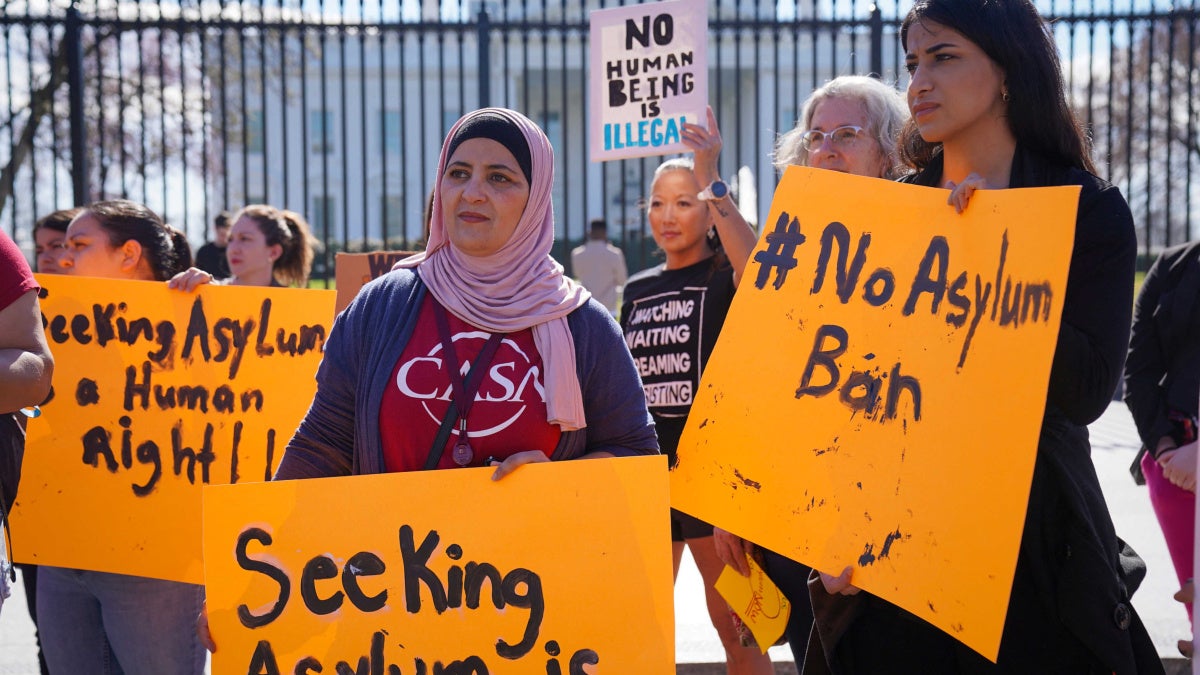
Protests against the asylum ban highlight public outcry over its discriminatory nature and human rights implications.
Impact on Refugee Resettlement
Refugee processing under USRAP has been indefinitely suspended, with the annual admissions ceiling slashed to just 7,500 for fiscal year 2026—a drastic reduction from previous levels. This leaves vetted refugees overseas in precarious situations, unable to travel to the US.
Green card applications for refugees resettled between January 2021 and February 2025 are on hold, affecting around 200,000 individuals. Without these adjustments, refugees lose access to federal assistance like SNAP, compounding integration challenges.
Funding halts for resettlement agencies add another layer. Stop-work orders and delayed reimbursements force organizations to scale back services, from housing to job placement. This ripple effect impacts local communities that rely on these agencies for support.
For example, a Congolese family approved for resettlement might remain in a camp abroad, exposed to ongoing risks. The ban’s review of past admissions could lead to re-interviews, risking status revocation for those already here.
To learn more about resettlement basics, check our immigration guide, which outlines standard procedures before these changes.
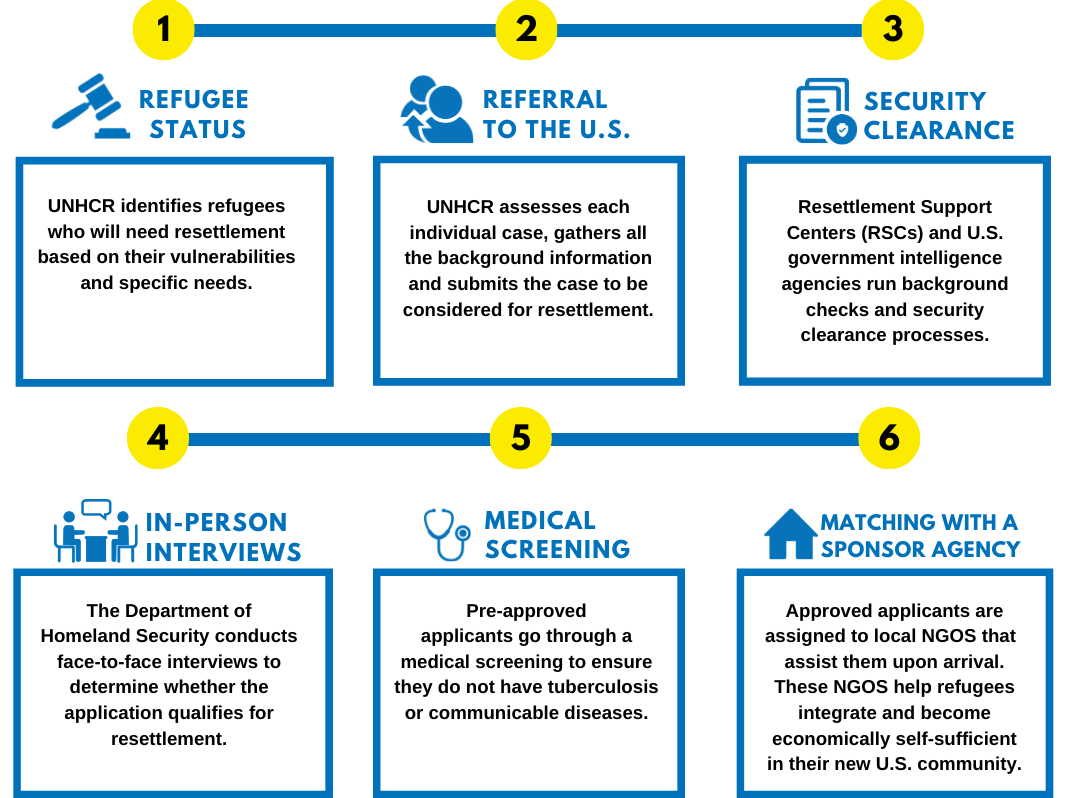
The traditional refugee resettlement process, now disrupted by the ban, involves multiple vetting stages before arrival.
Legal and Human Rights Implications
The ban raises significant legal concerns, potentially violating international obligations under the 1951 Refugee Convention and US laws protecting the right to seek asylum. Human Rights Watch has criticized it as arbitrary and discriminatory, driven by racial animus rather than evidence-based security needs.
No links exist between the 19 countries and heightened threats, yet the policy imposes collective punishment. This could lead to court challenges, similar to those against the first Trump-era travel ban.
Externally, it damages US credibility on global human rights. Organizations like the United Nations High Commissioner for Refugees (UNHCR) emphasize that such restrictions endanger lives and undermine cooperative resettlement efforts.
For authoritative insights, refer to the Human Rights Watch report on the freeze’s scapegoating effects. Additionally, the USCIS policy memorandum details the adjudicative holds.
Potential Legal Challenges
Advocacy groups are preparing lawsuits, arguing the ban exceeds executive authority and discriminates based on nationality. Past rulings, like those from the Supreme Court on travel bans, may influence outcomes.
Individuals affected can explore resources via our immigration resources page, which includes templates for legal aid applications.
Long-Term Consequences for Immigrants and Society
Over time, the asylum ban could exacerbate backlogs, with processing times extending beyond current averages. This might deter future applicants, reducing diversity in US immigration and harming industries reliant on skilled refugees.
Family separations will persist, as reunification petitions stall. Economically, resettlement agencies may close programs, leading to job losses and reduced community support. Broader society loses the contributions of integrated refugees, from entrepreneurship to cultural enrichment.
Alternatives include seeking protection in other countries, but many lack the US’s robust systems. Policy reversals could occur if challenged successfully, but until then, vigilance is key.
For tools to track your application status amid these changes, visit our immigration tools section. Also, read our related article on border policy updates for contextual background.
Internationally, the UNHCR website offers global perspectives on refugee rights, while the U.S. Department of State provides official policy updates.
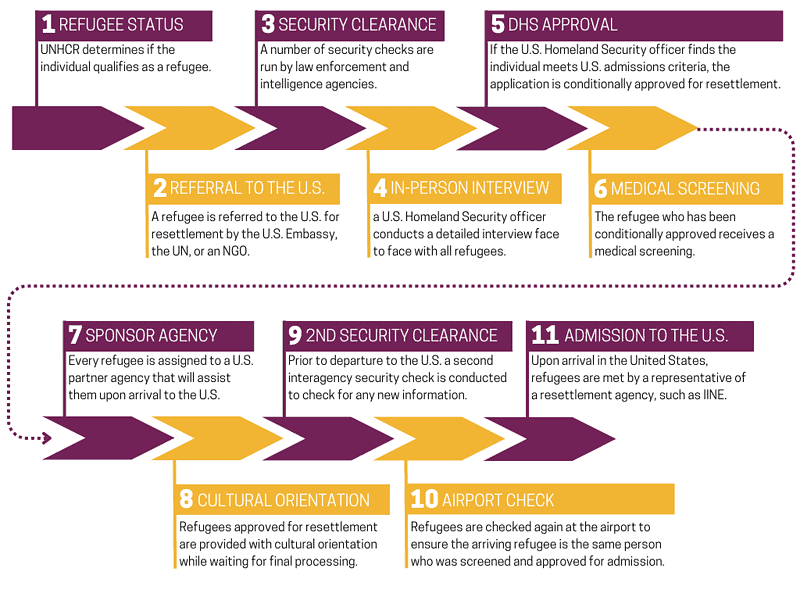
Visualizing the refugee pathway helps understand where the ban creates bottlenecks in processing.
Navigating the Changes: Practical Advice
Affected individuals should document all communications with USCIS and seek legal counsel promptly. Organizations like the American Immigration Council offer free consultations.
Stay informed through reliable sources and consider community support networks. For service providers, diversifying funding sources can mitigate halt impacts.
Explore our legal services directory for vetted professionals specializing in asylum cases.
Frequently Asked Questions
What exactly does the asylum ban entail?
The ban includes a pause on all asylum decisions starting November 28, 2025, and a freeze on immigration benefits for nationals of 19 countries, affecting green cards, citizenship, and more.
Who is most affected by the refugee processing halt?
Refugees approved but not yet resettled, those from targeted countries like Afghanistan and Somalia, and asylum seekers with pending applications are primarily impacted, facing delays and potential status losses.
Can previously approved refugees lose their status?
Yes, the policy allows for reviews and re-interviews of cases from 2021-2025, potentially leading to revocations if new criteria aren’t met.
How long will the ban last?
The duration is indefinite, with operational guidance expected within 90 days, but no clear end date has been announced.
What are the human rights concerns?
Critics argue it violates international asylum rights, discriminates based on nationality, and scapegoats immigrants without evidence of security risks.
Are there alternatives for affected individuals?
Some may seek asylum in other countries or pursue legal challenges in the US, but options are limited amid the freeze.