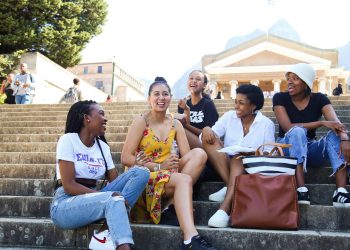
When deciding where to study in Australia cities part-time jobs play a crucial role for international students seeking financial independence alongside quality education. Australia’s major cities offer abundant casual and part-time roles in hospitality, retail, tutoring, and administration, with student visa holders permitted to work up to 48 hours per fortnight during term time (unlimited during breaks as of recent rules).
Cities vary in job volume, hourly wages, competition, and cost of living—major hubs like Sydney and Melbourne provide the highest number and pay rates, while regional or smaller capitals like Adelaide and Perth balance easier access with strong earning potential in key industries. This guide ranks top cities based on part-time job availability, average earnings (around AUD 24–35/hour in 2025), common sectors, and overall student experience.
Understanding Part-Time Work Rights for International Students
International students on subclass 500 visas can work part-time during studies, with limits supporting work-study balance. The national minimum wage stands at approximately AUD 24.95 per hour (2025), with casual roles often including 25% loading for weekends/public holidays, pushing earnings to AUD 28–35 in many cases.
Popular sectors include hospitality (cafes, bars), retail, tutoring, delivery services, and aged care. Platforms like SEEK, Indeed, Student Job Board, and university career centers help locate opportunities.
Sydney: Highest Volume and Pay Rates
As Australia’s economic powerhouse, Sydney offers the largest pool of part-time jobs for students. With iconic attractions and a massive service industry, roles in hospitality, tourism, retail, and customer service abound.
Average casual wages range AUD 28–35/hour, among the highest nationally. Competition exists, but sheer volume favors proactive applicants. Top universities like University of Sydney and UNSW provide career support and on-campus opportunities.
Real-world example: Many students secure barista or retail assistant positions in CBD areas, earning enough to offset high living costs (shared rent AUD 300–500/week).
Melbourne: Balanced Lifestyle with Flexible Jobs
Melbourne ranks highly for livability and student experience, blending cultural vibrancy with strong part-time markets in cafes, events, retail, and tutoring. Its arts scene creates unique gigs in hospitality and admin support.
Hourly rates typically AUD 25–32, with flexible shifts suiting study schedules. Universities such as University of Melbourne and Monash offer extensive networks for internships turning into part-time roles.
Students appreciate the city’s work-life balance, with lower competition than Sydney in some sectors and affordable shared housing in suburbs.
Brisbane: Growing Opportunities and Affordability
Brisbane combines subtropical climate with rising job markets in hospitality, tourism, retail, and administration. As Queensland’s capital, it features growing sectors like education and health.
Wages average AUD 25–30/hour, with lower living costs (shared rent AUD 200–350/week) making savings easier. Universities like University of Queensland and QUT support job placement.
Relaxed vibe and proximity to Gold Coast add lifestyle appeal for tourism-related casual work.
Perth: High Wages in Key Industries
Perth stands out for mining, engineering, and resources-driven economy, offering well-paid casual roles in hospitality, retail, and laboring. Regional incentives boost earnings.
Average pay AUD 25–40/hour in high-demand sectors, with strong part-time availability despite smaller population. Curtin University and University of Western Australia provide industry links.
Lower competition and higher disposable income suit students prioritizing earnings over urban buzz.
Adelaide: Affordable Living with Solid Job Access
Adelaide excels in affordability and regional advantages, with part-time jobs in health, tech, defence, retail, and hospitality. Strong PR pathways attract long-term planners.
Wages around AUD 24–30/hour, but low costs (shared rent AUD 200–320/week) maximize take-home pay. University of Adelaide and Flinders University offer support services.
Less competition and friendly community make job hunting easier for newcomers.
Other Notable Cities and Tips
Gold Coast shines in tourism/hospitality, while Canberra provides government-related admin roles. Hobart offers niche opportunities in tourism/agriculture.
Application tips: Tailor resumes to Australian format, gain RSA/White Card if needed, network via university events, and use apps like Gumtree or Jora. Start early upon arrival.
Frequently Asked Questions
Which Australian city has the most part-time jobs for international students?
Sydney leads in volume due to its size and economy, followed closely by Melbourne. Both offer diverse roles in hospitality, retail, and services.
What is the average hourly wage for student part-time jobs in Australia?
The national minimum is around AUD 24.95 (2025), with casual loadings pushing typical student earnings to AUD 25–35/hour depending on city and sector.
Which city offers the best balance of part-time jobs and affordability?
Adelaide and Brisbane provide strong job access with lower living costs, allowing students to save more compared to expensive Sydney or Melbourne.
Can international students work unlimited hours in Australia?
During study terms, work is capped at 48 hours per fortnight; unlimited during scheduled breaks and holidays.
What are the easiest part-time jobs for students in Australia?
Hospitality (waitstaff, barista), retail assistant, delivery driver, and tutoring roles require minimal experience and suit flexible schedules.
How do I find part-time jobs while studying in Australia?
Use SEEK, Indeed, university job boards, Student Job Board, and LinkedIn. On-campus roles and career fairs are excellent starting points.