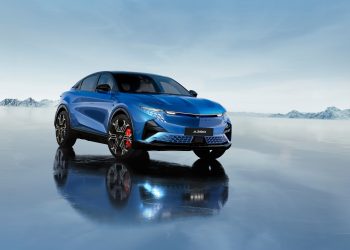
The cheapest electric cars 2026 offer excellent value as battery costs continue to decline and competition heats up, bringing zero-emission driving within reach for more buyers. With several models now starting under $30,000, consumers can enjoy significantly lower fuel and maintenance expenses alongside environmental advantages compared to conventional gasoline vehicles.
This 2026 ranking highlights the 15 most affordable electric vehicles currently available or launching soon in key markets like the United States. Prices reflect approximate starting MSRP (including destination fees where applicable), real-world range estimates, key features, and practical considerations for budget-conscious buyers.
Why 2026 Is the Year for Affordable EVs
Electric vehicle adoption is accelerating in 2026 thanks to scaled battery production, improved supply chains, and continued government incentives. Many entry-level EVs now deliver total ownership costs that rival or beat comparable gas-powered cars, driven by electricity rates averaging $0.04–$0.06 per mile versus $0.15+ for gasoline.
Important factors to weigh include EPA-estimated range, DC fast-charging capability, interior practicality, safety ratings, and eligibility for federal or state rebates. These affordable models prioritize efficiency, reliability, and everyday usability over premium luxury features
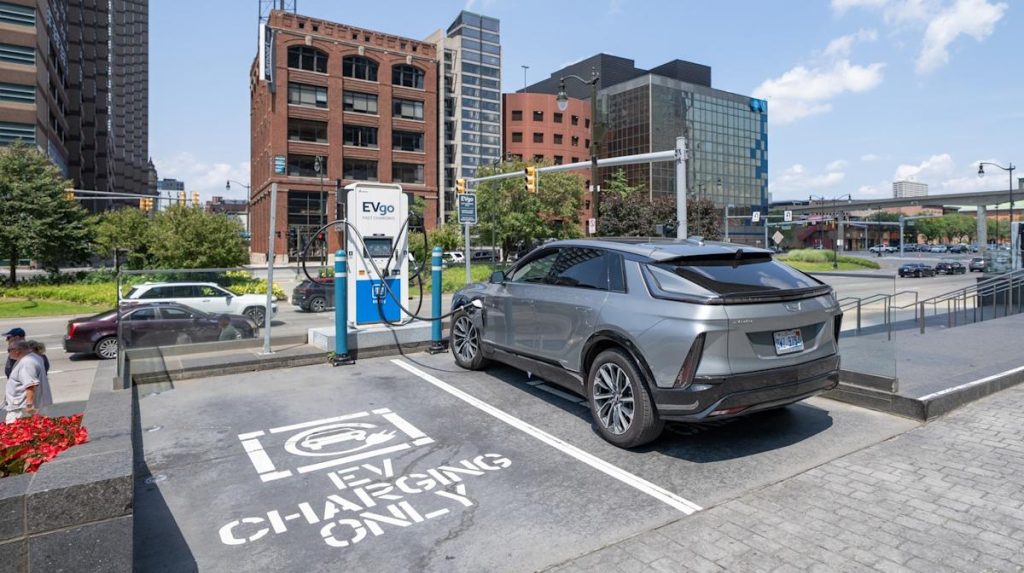
An entry-level EV charging affordably, representing the rise of budget-friendly electric mobility in 2026.
The Top 15 Cheapest Electric Cars in 2026
Ranked by approximate starting MSRP (U.S. market; prices exclude incentives and are subject to regional variation and change).
1. Nissan Leaf (2026) — Starting ~$29,990–$31,485
The refreshed third-generation Leaf remains one of the cheapest electric cars 2026, offering up to 303 miles of EPA-estimated range in higher trims with the 75 kWh battery. Standard features include wireless Apple CarPlay/Android Auto, remote preconditioning, and excellent energy efficiency.
With 214 horsepower, it provides confident highway performance. Proven reliability makes it a smart choice for daily commuters.
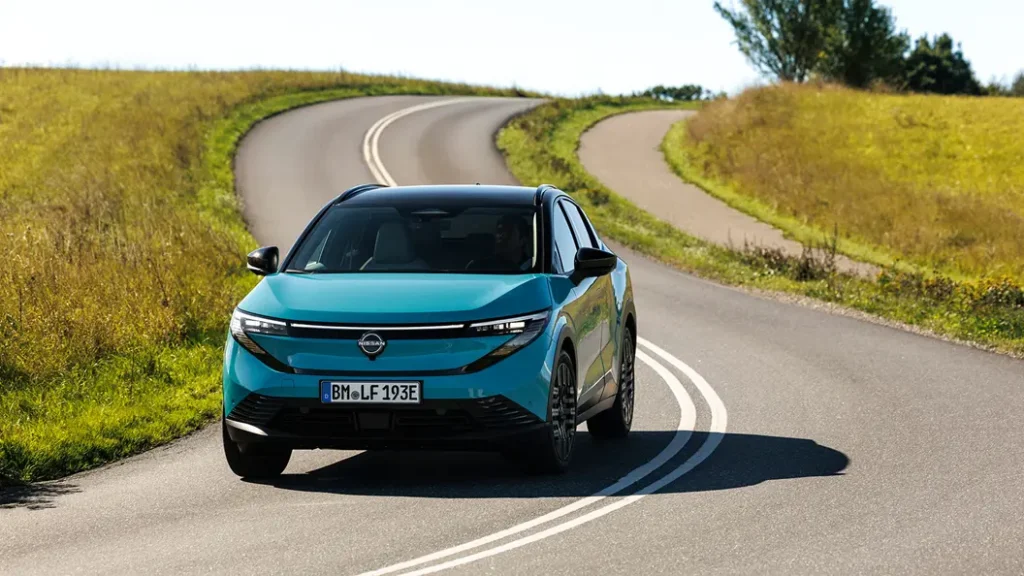
The 2026 Nissan Leaf, the benchmark for affordable EVs with impressive range and value.
2. Fiat 500e — Starting ~$32,495
This compact city EV delivers 149 miles of range in a stylish, fun-to-drive package. Its 117 hp motor suits urban environments, while 85 kW DC fast charging reaches 5–80% in about 27 minutes.
A premium-feeling interior and 42 kWh battery make it ideal for short commutes and city living.
3. Hyundai Kona Electric — Starting ~$34,470
A practical subcompact crossover with up to ~260 miles of range, modern infotainment, and quick charging. Spacious cabin and strong warranty appeal to small families or first-time EV owners.
Excellent efficiency keeps long-term costs low.
4. Toyota bZ4X (2026) — Starting ~$36,350
Toyota’s reliable crossover benefits from refined handling and improved range over earlier versions. Strong resale value and brand trust make it a safe long-term choice.
Well-suited for buyers prioritizing dependability.
5. Chevrolet Equinox EV — Starting ~$36,495
A spacious family SUV built on GM’s Ultium platform, offering ~300+ miles of range in select trims. Smooth ride, generous cargo space, and competitive pricing stand out.
Frequent eligibility for federal incentives adds to its value.
6. Tesla Model 3 (base) — Starting ~$36,990
The entry-level Model 3 provides up to 321 miles of range, rapid acceleration, and access to Tesla’s extensive Supercharger network. Over-the-air updates keep the vehicle current.
Tech-forward design appeals to gadget enthusiasts.
7. Kia Niro EV — Starting ~$40,045
A versatile crossover with up to 253 miles of range and Kia’s industry-leading 10-year/100,000-mile battery warranty. Packed with standard features and solid efficiency.
Strong all-around value proposition.
8. Volkswagen ID.4 — Starting ~$40,000 (est.)
Roomy compact SUV with comfortable ride quality and access to Tesla Superchargers via adapter. Intuitive interface and growing aftermarket support.
Popular choice for everyday family use.
9. Subaru Solterra (2026) — Starting ~$40,000 (est.)
Standard all-wheel drive in a compact SUV package. Subaru’s reputation for durability pairs well with solid EV range and capability.
Excellent for regions with variable weather.
10. Ford Mustang Mach-E (base trims) — Starting under $45,000
Sporty crossover with engaging handling and strong range options. Dynamic driving experience sets it apart in the segment.
Fun alternative for performance-minded buyers on a budget.
11. Chevrolet Bolt (2027 model, early 2026 availability) — Starting ~$28,995 (projected)
Revitalized compact hatchback with ~255 miles of range and 150 kW fast charging. Updated styling, improved tech, and aggressive pricing position it as a budget leader.
Ideal for urban and suburban commuters.
12. Kia EV3 (expected 2026/2027) — Starting ~$35,000 (est.)
Compact crossover promising ~270 miles of range, efficient packaging, and modern features. Kia’s design language brings fresh appeal.
Highly anticipated affordable option.
13. Mitsubishi Lancer EV (mid-2026 est.) — Starting ~$30,000–$35,000 (est.)
Sporty compact sedan or hatch with optional heat pump for cold climates. Focus on driving enjoyment at an accessible price point.
Exciting new contender in the budget EV space.
14. Slate Truck (late 2026 est.) — Starting under $30,000 (est.)
Compact electric pickup capable of towing up to 1,000 lbs. Designed for light utility and affordability.
Innovative entry into the budget truck segment.
15. Fiat Topolino (2026 est.) — Starting ~$15,000–$20,000 (est.)
Ultra-compact micro EV tailored for city use and short trips. Extremely low price makes it one of the most budget-friendly electric options globally.
Fun, niche solution for urban mobility.
Key Considerations When Buying a Cheap EV in 2026
Match range to your daily commute, ensure convenient home or public charging access (Level 2 at home is ideal), and verify eligibility for incentives such as the federal tax credit of up to $7,500. EVs typically save thousands annually on fuel and require far less maintenance than gas vehicles.
Always test drive multiple options and research local charging infrastructure. Check current pricing and rebates directly with manufacturers or dealers.
Benefits of Choosing an Affordable Electric Car
Instant torque, near-silent operation, zero tailpipe emissions, and dramatically lower running costs improve daily driving. Government support and declining battery prices make 2026 one of the best years yet to switch to electric.
Real-world example: A commuter driving 12,000 miles annually can save $1,200–$2,000 per year on fuel alone after transitioning from a gas car.
Frequently Asked Questions
What is the cheapest electric car available in 2026?
The 2026 Nissan Leaf starts around $29,990–$31,485 and is widely regarded as the most affordable new EV with meaningful range and features.
Are there any electric cars under $30,000 in 2026?
Yes — the Nissan Leaf base trim and the upcoming Chevrolet Bolt (available early 2026) start at or near the $30,000 mark before incentives.
Do cheap EVs have good range?
Many deliver 250–300+ miles of real-world range — for example, the Leaf offers up to 303 miles and the Equinox EV provides competitive estimates — sufficient for most daily driving needs.
What incentives apply to affordable EVs in 2026?
Qualifying models can receive up to $7,500 in federal tax credits. Check the latest eligibility at FuelEconomy.gov or the IRS website.
Is it worth buying a cheap electric car in 2026?
Yes — lower fuel and maintenance costs, environmental benefits, improving charging networks, and strong resale potential make affordable EVs a smart long-term investment.
Which cheap EV has the best warranty?
Kia models, including the Niro EV, typically offer a 10-year/100,000-mile powertrain and battery warranty, providing exceptional peace of mind for budget buyers.
External Resources: