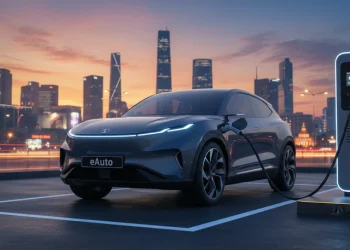



Electric cars under $30000 2026 offer unprecedented accessibility as manufacturers deliver redesigned models with solid range, modern features, and low ownership costs. With the Nissan Leaf starting at $29,990 and the Chevrolet Bolt at around $28,995–$29,990, buyers can own a new EV without premium pricing while enjoying fuel savings, minimal maintenance, and environmental benefits.
This comprehensive 2026 guide focuses on truly available or imminent models priced under $30,000 before incentives, detailing starting prices, EPA range, real-world usability, charging, and practical ownership tips. These options prove electric mobility is now realistic for everyday drivers on a budget.
Why Electric Cars Under $30,000 Are Realistic in 2026
Battery costs have dropped significantly, enabling manufacturers to offer capable EVs at entry-level prices. Combined with federal incentives (up to $7,500 for qualifying models), electricity rates far below gasoline, and fewer moving parts, total ownership costs often undercut comparable gas vehicles.
Key priorities include real-world range for daily commutes, home charging convenience, safety ratings, and resale value. Models in this segment focus on efficiency and reliability rather than luxury extras.
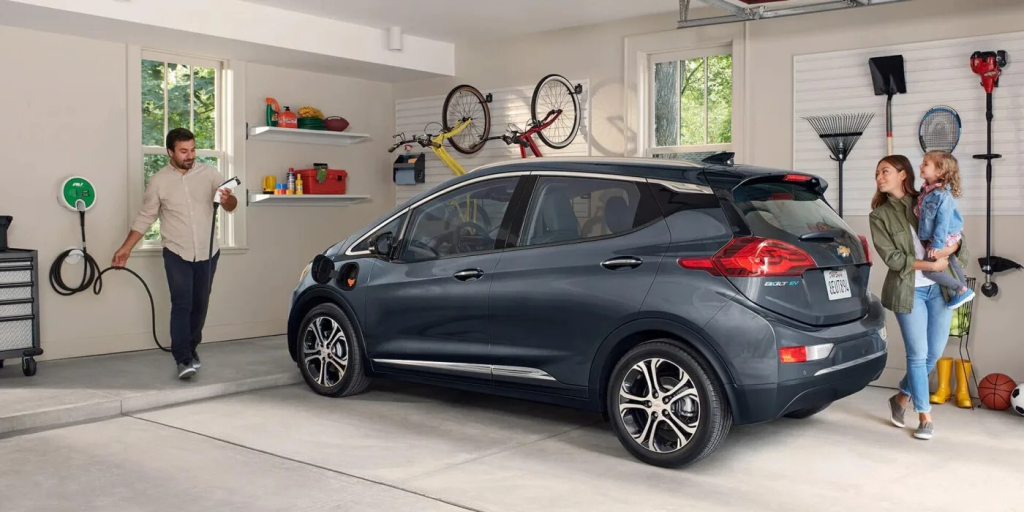
A budget EV ready for daily use, illustrating practical ownership of electric cars under $30000 in 2026.
Top Electric Cars Under $30,000 Available in 2026
These models are either on sale or launching early 2026 with base MSRPs below $30,000 (U.S. market, approximate including destination; before incentives).
1. Chevrolet Bolt (2027 model, available early 2026) – Starting ~$28,995–$29,990
The refreshed Bolt leads with 262 miles EPA range (real-world ~230–250 miles mixed driving). Features 150 kW DC fast charging, NACS port, and compact hatch design ideal for urban/suburban use.
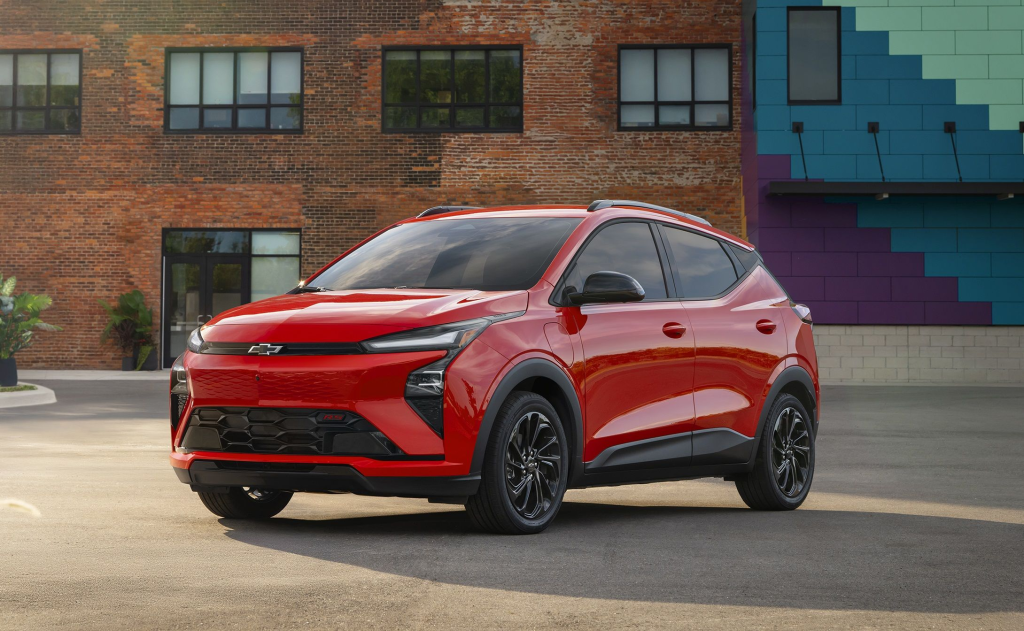
210 hp provides peppy performance. Low price and updated tech make it a top ownership choice.
The 2027 Chevrolet Bolt offers unbeatable value among electric cars under $30000 with strong range and efficiency.
2. Nissan Leaf (2026) – Starting $29,990 (S+ trim)
Third-generation Leaf delivers up to 303 miles EPA range (75 kWh battery), with real-world figures often 260–280 miles in moderate conditions. 150 kW charging and modern features like wireless CarPlay/Android Auto.
214 hp suits highway merging. Proven reliability from millions of miles driven globally enhances long-term ownership.
3. Fiat 500e (carryover/2026 availability) – Starting ~$29,500–$32,495 (base under $30k possible with offers)
Compact city EV with 149 miles range (real-world ~130–140 miles). Stylish design, quick charging, and premium interior feel.
Best for short commutes and urban parking. Fun ownership experience at entry price.
Ownership Costs and Savings Breakdown
Electricity averages $0.04–$0.06 per mile versus $0.15+ for gas. Maintenance drops dramatically—no oil changes, fewer brake replacements due to regen. Insurance often comparable or lower; resale holds well for popular models.
Example: 12,000 miles/year driver saves $1,200–$1,800 annually on fuel alone. Home Level 2 charging (~$500–$1,000 install) pays back quickly.
Charging and Practical Tips for Budget EV Ownership
Install a 240V home charger for overnight convenience. Public DC fast charging (25–40 minutes for 10–80%) handles longer trips. Use apps like PlugShare for station locations.
Factor cold weather range reduction (10–30%); precondition battery via app. Verify incentives at FuelEconomy.gov.
Why These Models Make Sense for Real Buyers
Proven platforms ensure reliability. Compact sizes suit city driving; sufficient range covers 95% of daily needs. Growing infrastructure reduces range anxiety.
Real-world example: A commuter with 40-mile round-trip saves significantly while enjoying quiet, torque-rich acceleration.
Frequently Asked Questions
What electric cars are truly under $30,000 in 2026?
The Chevrolet Bolt starts at ~$28,995–$29,990 and the Nissan Leaf at $29,990, with both widely available or launching early 2026.
Do electric cars under $30000 have good range?
Yes—the Leaf reaches up to 303 miles EPA (260–280 real-world), Bolt ~262 miles (230–250 real-world), sufficient for most daily driving.
What incentives apply to EVs under $30,000?
Qualifying models may receive up to $7,500 federal tax credit. Check current eligibility on official government sites like FuelEconomy.gov.
Is home charging necessary for budget EV ownership?
Highly recommended for convenience and lowest costs; Level 2 chargers add $500–$1,000 but save time and money long-term.
Are these cheap EVs reliable for daily use?
Yes—Nissan Leaf has millions of proven miles; Chevrolet Bolt updates build on previous reliability with modern features.
Can electric cars under $30000 handle highway driving?
Absolutely—both Leaf and Bolt offer strong acceleration and stable highway performance with adequate range for commutes.
External Resources: