



The best budget EVs 2026 combine accessibility, impressive real-world range, and everyday practicality as prices stabilize and technology improves. With many models delivering 250+ miles of usable range at prices under $40,000, these affordable electric cars make zero-emission driving realistic for commuters, families, and first-time EV owners without sacrificing essential features or efficiency.
This 2026 guide ranks top budget-friendly options based on starting MSRPs, EPA estimates adjusted for real-world testing insights, charging capabilities, and overall value. Emphasis on proven models and upcoming launches helps buyers select sustainable transport that fits budgets and lifestyles.
Why Budget EVs Excel in 2026
Advancements in battery chemistry and production scale have made affordable electric vehicles more capable than ever. Real-world range now reliably approaches or exceeds EPA figures in moderate conditions, thanks to efficient motors and improved thermal management.
Lower electricity costs (~$0.04–$0.06/mile), reduced maintenance, and potential rebates create strong total ownership advantages over gas cars. Focus on models under $40,000 that deliver practical range for daily use.

A budget EV demonstrating practical real-world usability in city and highway driving for 2026 buyers.
Top 10 Best Budget EVs for 2026 Ranked by Value and Range
Selections prioritize starting price, real-world range performance (EPA and tested estimates), features, and practicality. Prices approximate U.S. MSRP before incentives.
1. Nissan Leaf (2026) – Starting ~$29,990–$31,485
The redesigned Leaf offers up to 303 miles EPA range (S+ trim, 75 kWh battery), with real-world highway tests often yielding 260–280 miles. Fast charging (150 kW) and modern interior make it a top budget choice.
Proven reliability suits commuters. Strong efficiency in mixed driving enhances value.
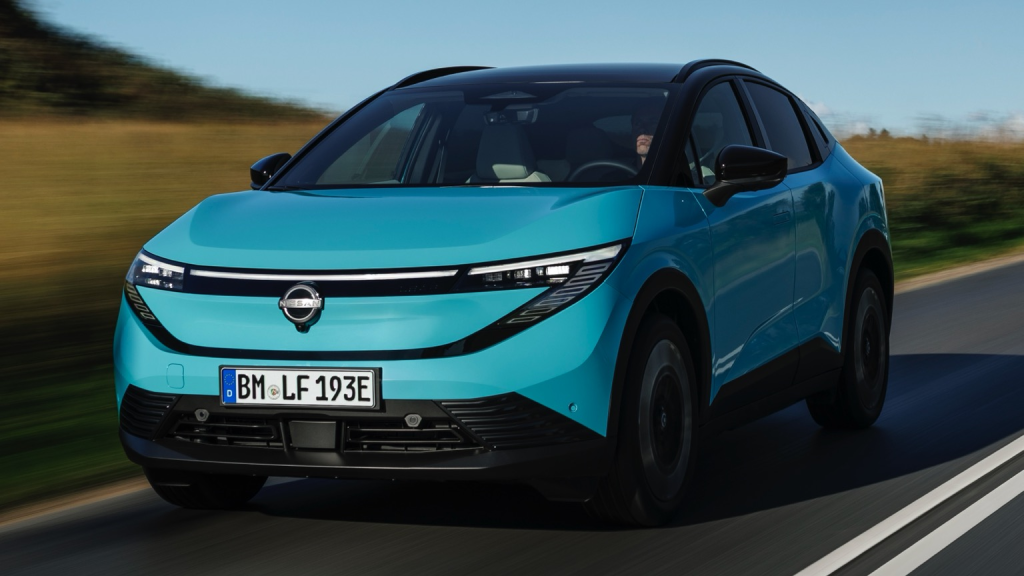
The 2026 Nissan Leaf delivers exceptional real-world range and affordability in the budget EV segment.
2. Chevrolet Bolt (2027, available early 2026) – Starting ~$28,995–$32,995
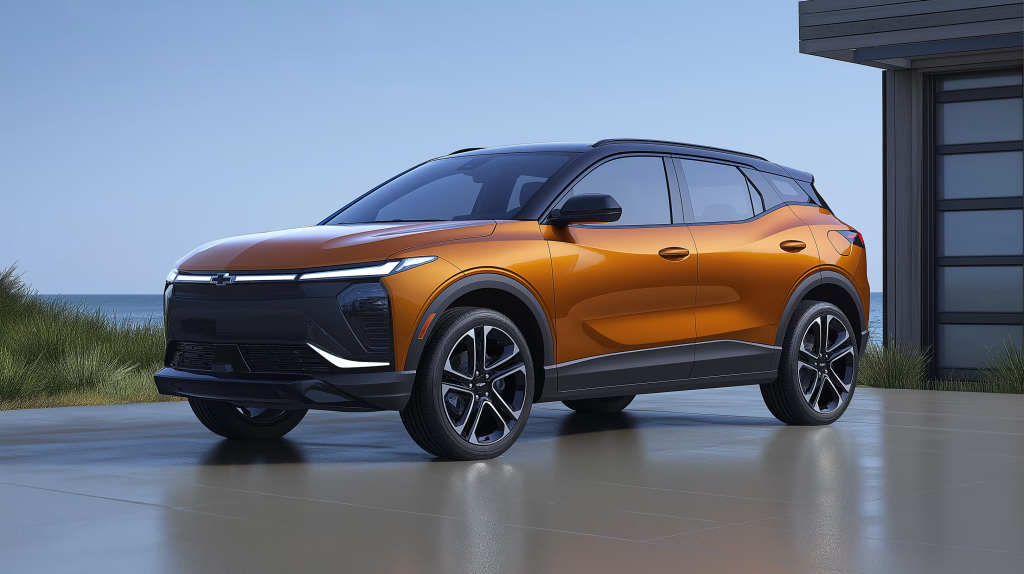
Revamped Bolt provides ~262 miles EPA range, with real-world figures around 230–250 miles. 150 kW charging and compact size excel in urban/suburban use.
Lowest entry price among major models. Updated tech and efficiency boost appeal.
3. Hyundai Kona Electric – Starting ~$34,470
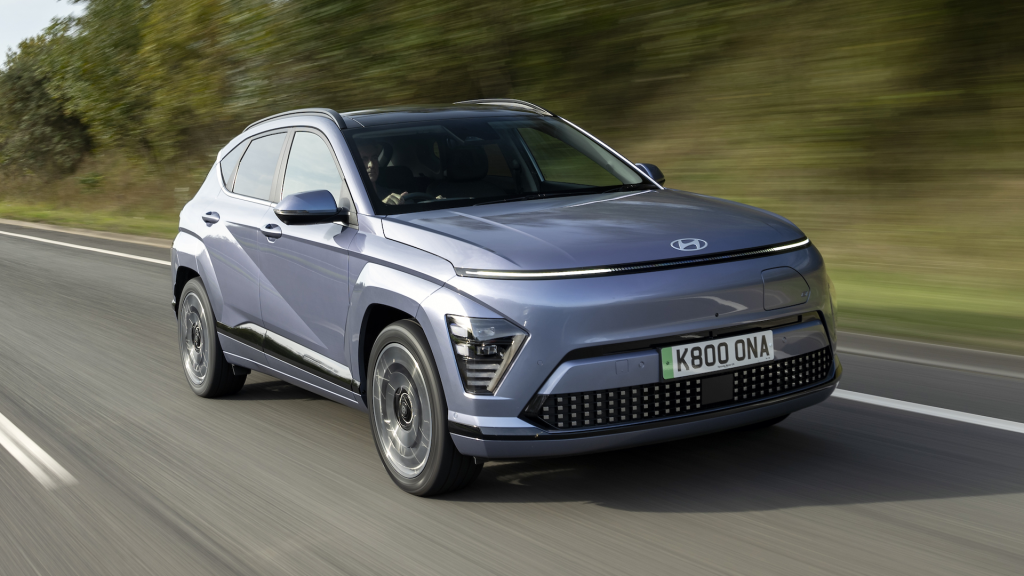
Up to ~260 miles EPA range, real-world often 220–240 miles. Compact crossover design with quick charging and generous features.
Strong warranty and efficiency make it family-friendly on a budget.
4. Toyota bZ4X (2026) – Starting ~$36,350
Improved range up to ~314 miles EPA in top configs, real-world 260–290 miles possible. Reliable Toyota build quality and resale value.
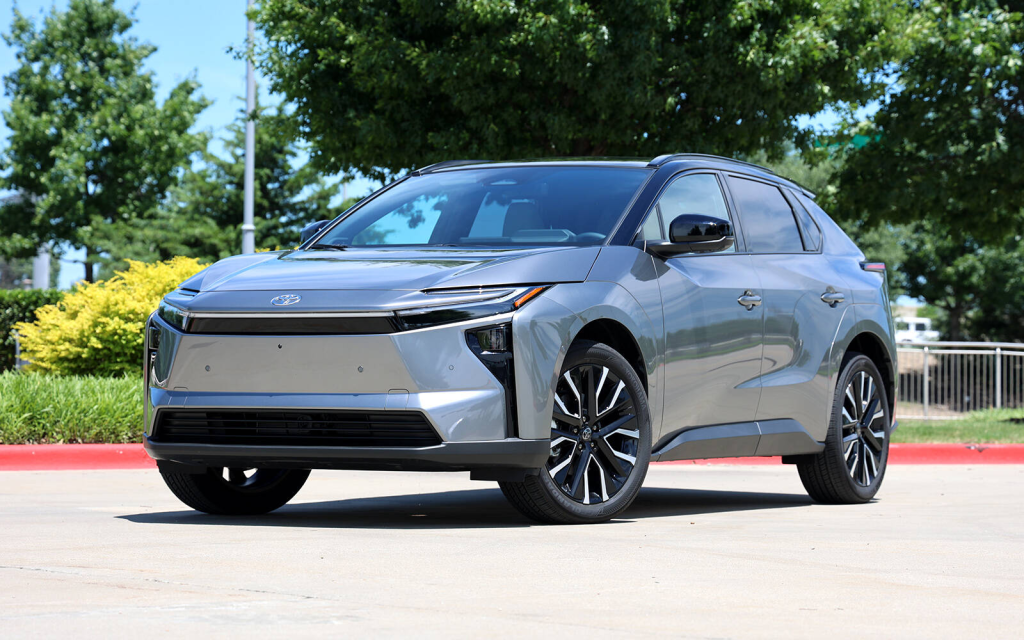
Refined ride suits long commutes within budget constraints.
5. Chevrolet Equinox EV – Starting ~$36,495–$36,795
~300+ miles EPA range in select trims, real-world tests show 260–280 miles. Spacious SUV with smooth Ultium platform performance.
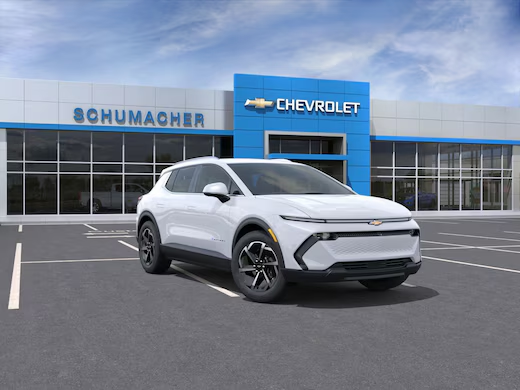
Excellent value after incentives for growing families.
6. Fiat 500e – Starting ~$32,495
149 miles EPA range, real-world ~130–140 miles ideal for city use. Stylish and fun with fast charging.
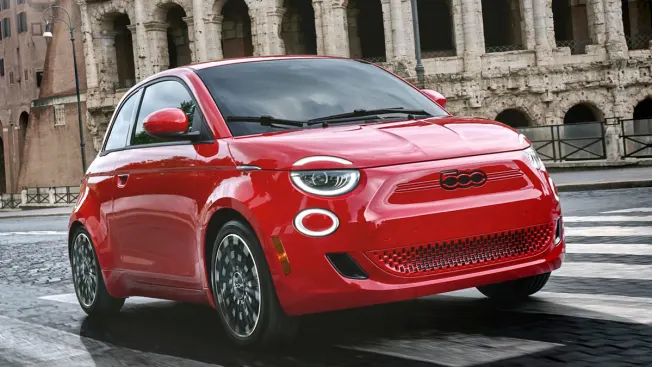
Premium feel in compact form for urban budgets.
7. Kia Niro EV – Starting ~$40,045 (often lower after offers)
253 miles EPA range, real-world ~220–240 miles. Long warranty and feature-packed cabin.
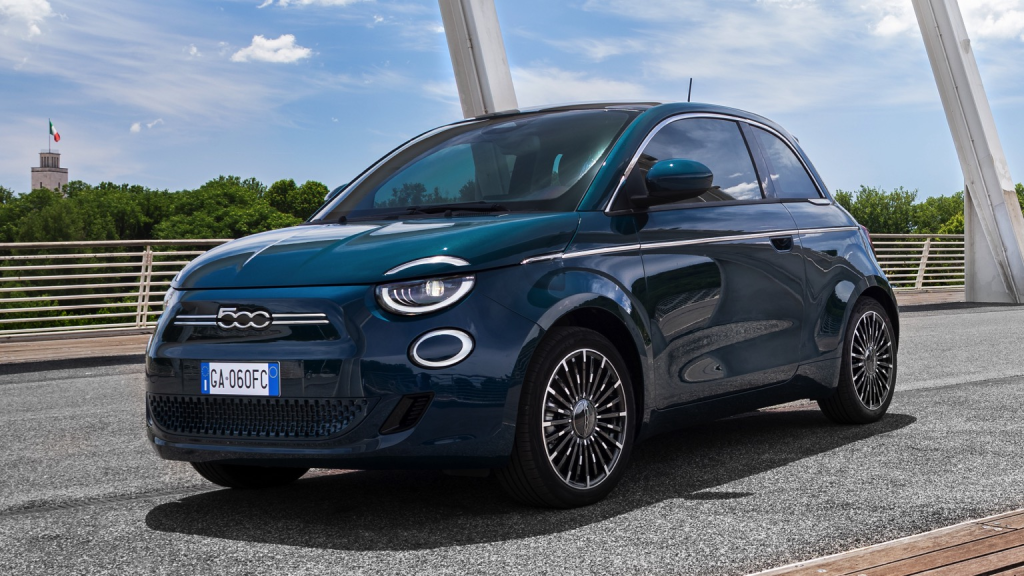
Balanced crossover for practical needs.
8. Volkswagen ID.4 – Starting ~$40,000 (est., often discounted)
Solid range with real-world consistency. Comfortable and spacious.
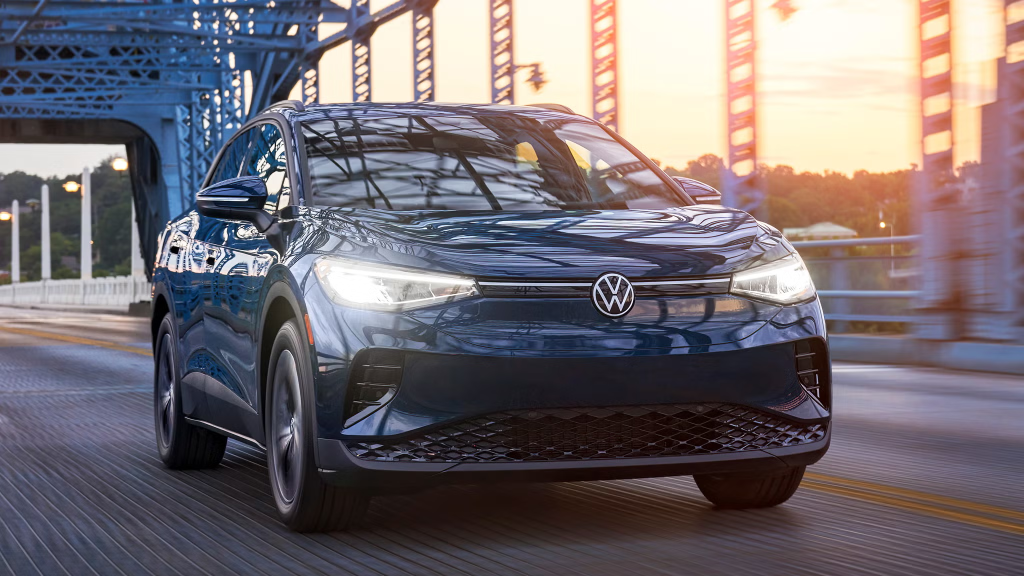
Supercharger access enhances usability.
9. Subaru Solterra (2026) – Starting ~$40,000 (est.)
AWD capability with reliable range in varied conditions.
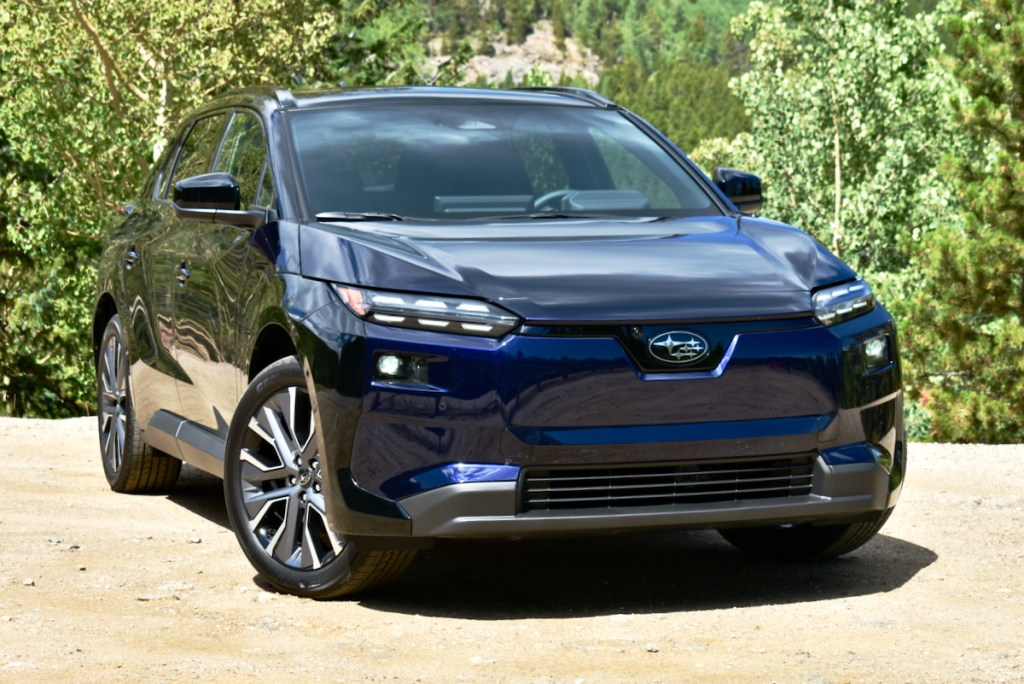
Great for all-weather driving on budget.
10. Tesla Model 3 (base) – Starting ~$38,000–$39,000
Up to 321 miles EPA, real-world often 280+ miles. Supercharger network advantage.
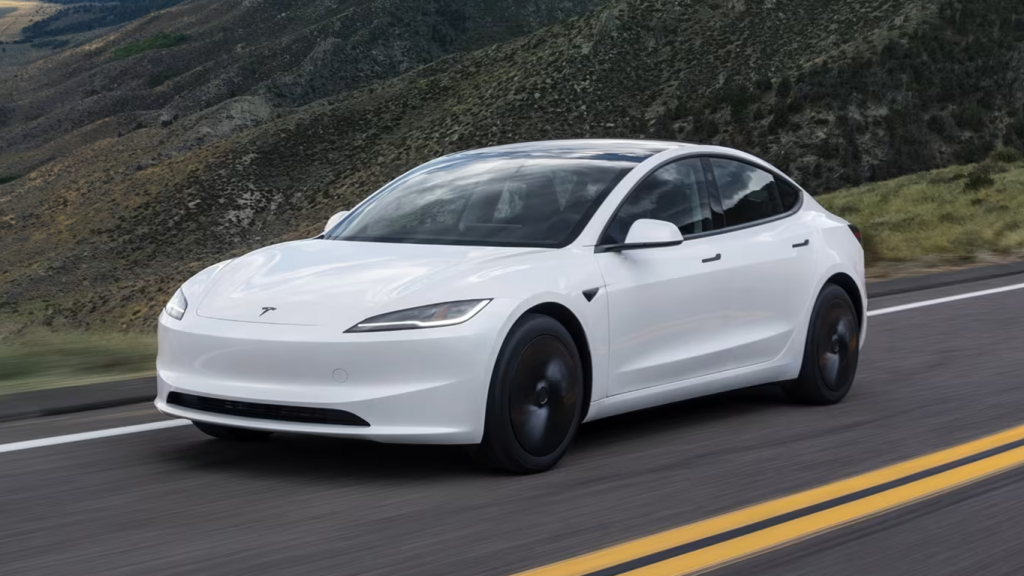
Tech and performance at accessible price.
How to Choose the Best Budget EV for Your Needs
Assess daily mileage against real-world range, ensure home charging access, and factor incentives (up to $7,500 federal credit possible). Test drive for comfort and verify local infrastructure.
Consider total costs: electricity savings, insurance, and resale. Many budget EVs qualify for rebates—check official sites.
Real-World Range Explained
EPA figures provide baselines, but real-world range varies with temperature, speed, and load. Highway tests at 70 mph often reduce range 10–20%; moderate city/highway mix yields closer to estimates.
Example: A 300-mile EPA model may deliver 250–280 miles in typical use, sufficient for most drivers.
Benefits of Choosing a Budget EV in 2026
Significant fuel savings, quiet operation, instant torque, and zero emissions improve daily driving. Declining prices and expanding networks make switching practical.
Real-world example: Commuters save $1,200–$2,000 annually on fuel versus gas equivalents.
Frequently Asked Questions
What is the best budget EV with the longest real-world range in 2026?
The Nissan Leaf S+ offers up to 303 miles EPA and 260–280 miles real-world, making it a top performer under $35,000.
Are budget EVs under $30,000 available in 2026?
Yes, the Chevrolet Bolt starts around $28,995–$29,990 with solid 230–250 miles real-world range.
How accurate are EPA ranges in real-world driving?
EPA estimates are lab-based; real-world highway driving often yields 10–20% less, while mixed use comes closer or exceeds in mild conditions.
What incentives apply to affordable EVs in 2026?
Many qualify for up to $7,500 federal tax credit. Verify eligibility at FuelEconomy.gov.
Is a budget EV worth it for daily commuting?
Yes—lower operating costs, reliability, and sufficient range make them ideal for most commuters.
Which budget EV has the best warranty?
Kia and Hyundai models often include 10-year/100,000-mile battery warranties for long-term confidence.
External Resources: