Shocking reality: Fuel prices in Kenya did not rise overnight by accident. Instead, a mix of global pressure and internal system weaknesses pushed costs higher.
Why Fuel Prices Increased in 2026
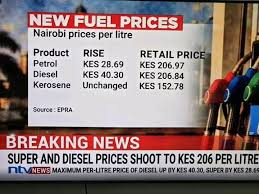
In April 2026, fuel prices in Kenya crossed KSh 200 per litre. As a result, transport costs rose immediately, and food prices followed soon after.
First, global oil prices increased due to geopolitical tensions. In addition, shipping and insurance costs went up significantly. At the same time, currency fluctuations made imports more expensive.
- ارتفاع أسعار النفط العالمية
- زيادة تكاليف الشحن والتأمين
- تقلبات سعر صرف العملة
Therefore, even before fuel reached Kenya, the base cost had already increased.
ارتفاع أسعار الوقود في كينيا نتيجة عوامل عالمية
The G-to-G Fuel Deal: Stability or System Risk?
The government introduced the G-to-G fuel deal to stabilize supply. Under this system, Kenya imports fuel directly from Gulf suppliers on credit.
However, the system does not control global prices. Instead, it mainly ensures steady supply. Because of this, prices can still rise even when the system works as intended.
Did You Know? The G-to-G deal focuses on supply stability, not price reduction.
The Mombasa Oil Tanker Scandal Explained
Meanwhile, a separate issue emerged at the Port of Mombasa. In late March 2026, a tanker delivered about 60,000 metric tonnes of fuel under unclear conditions.
Investigators quickly identified several problems:
- The shipment bypassed the G-to-G system
- Pricing appeared unusually high
- Quality concerns raised safety questions
As a result, authorities launched investigations and made several arrests.
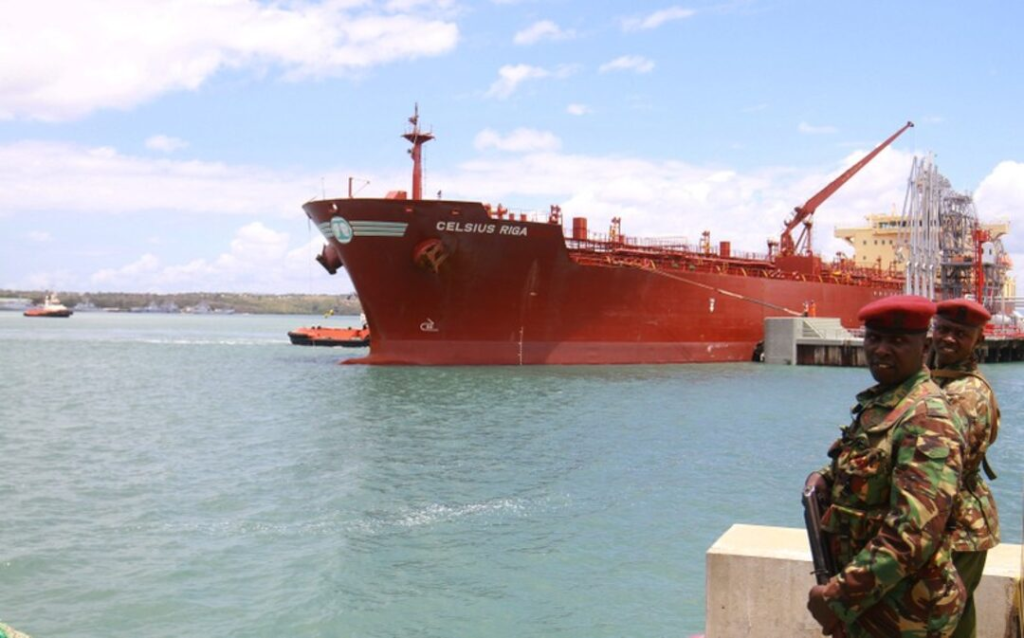
ناقلة النفط المثيرة للجدل في ميناء مومباسا
Important Clarification: Not the Cause of Price Increase
Here is the key truth: The tanker scandal did not directly cause the latest fuel price increase.
Instead, global market forces drove the price hike. However, the scandal exposed weaknesses in Kenya’s fuel management system.
To understand this clearly, consider these two layers:
- Immediate cause: Global oil price increase
- Underlying issue: Weak oversight and system gaps
Therefore, while the scandal matters, it explains risk—not the price spike itself.
Arrests and Investigations: What We Know
Authorities arrested several senior officials after uncovering irregularities. These officials came from key institutions such as the Kenya Pipeline Company and energy regulatory bodies.
During the investigation, officers reportedly found large amounts of cash. Consequently, public concern about corruption increased.
The Role of Local Oil Companies
Local companies such as Gulf Energy and Oryx Energies distribute fuel across Kenya. Because of their role, they remain central to the supply chain.
Recently, scrutiny has increased around pricing and procurement practices. In addition, discussions have emerged about possible links to broader oil sector interests.
However, no verified evidence confirms direct ownership links to Turkana oil operations.
Political Pressure and Accountability Questions
At the same time, political pressure continues to grow. Opposition leaders are demanding full transparency and audits.
Energy Cabinet Secretary Opiyo Wandayi has also faced scrutiny. Reports suggest he missed a parliamentary summons, which raised further questions.
Additionally, some claims mention international meetings related to fuel pricing. However, these claims remain unverified.
Therefore, investigators must confirm these allegations before drawing conclusions.
Impact on the Cost of Living
For ordinary Kenyans, the impact is immediate. As fuel prices rise, daily expenses increase across the board.
- Transport fares increase quickly
- Food prices rise due to logistics costs
- Businesses face higher operating expenses
As a result, fuel prices directly affect the overall cost of living.
Global Context: A Wider Energy Challenge
Kenya is not alone in this situation. Many countries face similar challenges due to global supply disruptions.
For example, international conflicts and supply chain issues continue to affect oil prices worldwide. Therefore, local solutions alone cannot fully control fuel costs.
Learn more from International Energy Agency and World Bank.
Conclusion: The Real Truth Behind the Crisis
The Kenya fuel price increase 2026 results mainly from global economic pressure. However, internal system weaknesses may worsen the situation.
Hidden truth: Even if global prices drop, inefficiencies can keep costs high.
Stay informed: Follow our platform for verified updates and deeper analysis.
Frequently Asked Questions (FAQs)
1. What caused the fuel price increase in Kenya in 2026?
Global oil price increases, shipping costs, and currency fluctuations caused the rise.
2. Did the Mombasa tanker cause the price hike?
No. Global factors caused the increase, not the tanker incident.
3. What is the G-to-G fuel deal?
It allows Kenya to import fuel directly from foreign suppliers on credit.
4. Why were officials arrested?
Authorities arrested them for irregular fuel import activities outside official systems.
5. Are local companies involved?
No confirmed evidence exists, but investigations continue.
6. Will fuel prices decrease soon?
Prices depend on global oil trends and policy decisions.