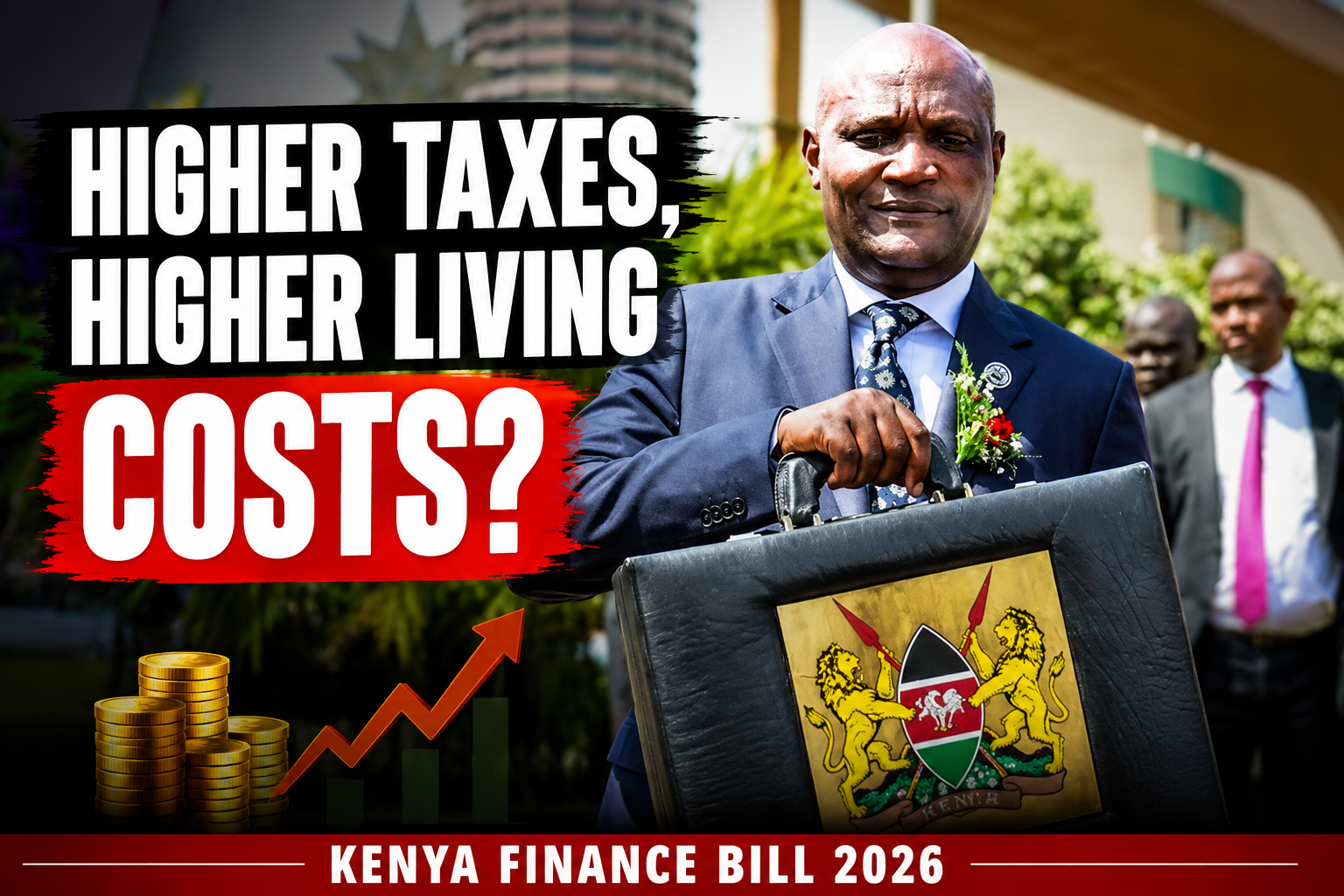
Overview of the Kenya Finance Bill 2026
The Kenya Finance Bill 2026 is designed to reshape the country’s tax framework by expanding the tax base, increasing compliance, and strengthening revenue collection systems under the Kenya Revenue Authority (KRA). While the government argues that these measures are necessary to reduce public debt and fund development projects, critics believe the bill could increase the cost of living for ordinary Kenyans.
The bill introduces changes across digital taxation, rental income, import duties, and compliance rules. These reforms are aimed at capturing previously untaxed or under-taxed sectors, especially within the informal and digital economies.
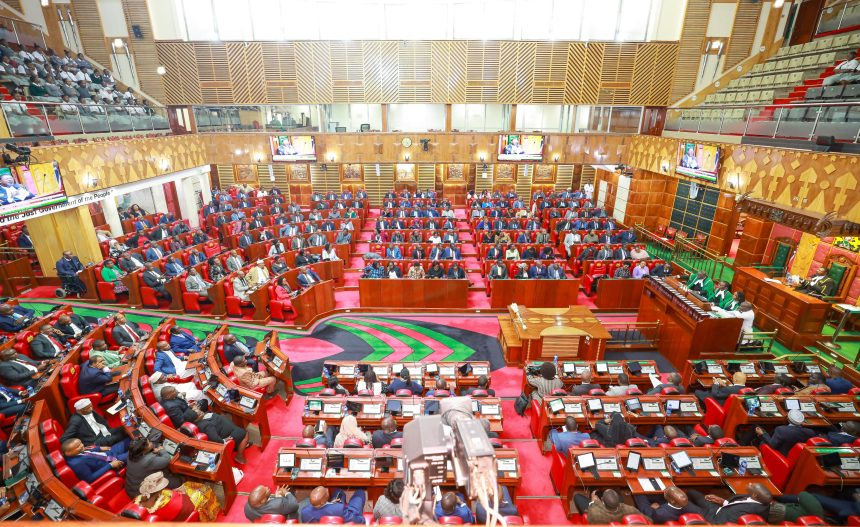
Kenya lawmakers debating the Finance Bill 2026 as public scrutiny increases over tax reforms.
Key Tax Changes Introduced in the Finance Bill 2026
1. Expansion of Digital Economy Taxes
One of the most significant proposals is the expansion of taxation in the digital economy. This includes tighter regulation of mobile money transactions, digital platforms, and cryptocurrency-related activities.
For many young Kenyans who rely on online income streams such as freelancing, content creation, and e-commerce, these changes may reduce disposable income and increase transaction costs.
2. Changes in Rental Income Tax
The bill proposes an increase in residential rental income tax from 7.5% to 10%. While this may seem like a small adjustment, landlords are likely to pass the cost to tenants through higher rent prices.
This has raised concerns in urban areas such as Nairobi and Mombasa, where housing affordability is already a major challenge.
3. Mitumba (Second-Hand Clothes) Taxation
The introduction of a deemed profit tax on imported second-hand clothing (mitumba) has sparked strong debate. Mitumba traders operate on thin margins, and additional taxes could significantly increase retail prices.
This sector supports millions of Kenyans, especially in informal markets such as Gikomba, making it a sensitive area of taxation.
4. Strengthened KRA Compliance and Surveillance
The bill enhances the authority of KRA to access digital transaction data and improve compliance monitoring systems. While this aims to reduce tax evasion, critics argue it raises concerns over privacy and financial surveillance.
Small businesses may face increased audit risks and stricter reporting requirements, which could increase compliance costs.
Public Concerns and Controversies
The Kenya Finance Bill 2026 has generated mixed reactions among citizens, business owners, and economic analysts. The main concern is that while the government targets revenue growth, the burden may fall disproportionately on low- and middle-income households.
- Rising cost of living: Increased taxes may push up prices of goods and services.
- SME pressure: Small businesses may struggle with compliance and reduced profits.
- Digital economy burden: Youth-led online businesses face higher operational costs.
- Housing affordability: Rent increases likely in urban centers.
Civil society groups argue that tax reforms should be accompanied by stronger anti-corruption measures and public spending efficiency to ensure fairness.
Impact on Ordinary Kenyans (Mwananchi)
For the average Kenyan household, the Finance Bill 2026 could translate into higher daily expenses. From mobile money charges to rental costs and food prices, the cumulative effect of multiple tax adjustments is likely to be felt across all income groups.
Low-income earners, informal traders, and youth entrepreneurs are expected to be the most affected due to their reliance on cash flow-sensitive businesses.
Real-World Examples
A small kiosk owner using mobile money for daily transactions may experience reduced profit margins due to increased transaction costs. Similarly, a tenant in Nairobi may face rent increases if landlords adjust prices to offset higher taxes.
Mitumba traders in local markets could also face reduced demand if clothing prices rise significantly.
Government’s Justification for the Bill
The government defends the Finance Bill 2026 as a necessary step toward fiscal stability. Officials argue that expanding the tax base will reduce reliance on external borrowing and help fund critical infrastructure, healthcare, and education programs.
According to policy analysts, improving tax compliance and modernizing revenue systems is essential for long-term economic sustainability.
For more context on migration and economic opportunities, see asylum process basics.
Economic Implications for Kenya
The broader economic impact of the Finance Bill 2026 depends on implementation and enforcement. If well-managed, increased revenue could support development projects and reduce debt pressure. However, excessive taxation may slow down consumption and business growth.
Experts warn that over-taxation of the informal sector could push some activities into unregulated markets, reducing overall compliance.
For students exploring global opportunities, see study in Germany requirements.
External Perspectives on Tax Reform
International organizations such as the International Monetary Fund (IMF) emphasize the importance of broad tax bases for developing economies, but also stress the need to protect vulnerable populations.
Read more from the International Monetary Fund and World Bank for global fiscal policy insights.
Frequently Asked Questions
What is the Kenya Finance Bill 2026?
It is a proposed law introducing changes to Kenya’s tax system, including digital taxes, rental income tax adjustments, and improved KRA enforcement.
Who will be most affected by the Finance Bill 2026?
Low-income households, SMEs, digital entrepreneurs, and tenants in urban areas are expected to feel the greatest impact.
Why is the Finance Bill 2026 controversial?
It is controversial because critics believe it increases the cost of living and places additional burdens on already struggling citizens.
Will rent increase because of the new tax laws?
Yes, landlords may pass the increased rental income tax to tenants, leading to higher rent prices in cities.
Does the bill affect mobile money users?
Yes, proposed changes may increase transaction costs and compliance tracking for mobile money users.
What is the government’s goal with the Finance Bill 2026?
The government aims to increase revenue collection, reduce borrowing, and fund national development projects.
The Kenya Finance Bill 2026 represents a major shift in Kenya’s taxation strategy, targeting digital platforms, rental income, and informal markets. While it may strengthen government revenue collection, its impact on ordinary Kenyans raises concerns about affordability, fairness, and economic pressure.
The success of the bill will ultimately depend on how effectively the government balances revenue generation with protecting vulnerable citizens from rising living costs.