The Kenya G-to-G fuel deal has transformed the country’s energy landscape since its launch in 2023, positioning government-to-government imports as the antidote to crippling dollar shortages and chronic fuel crises. Framed as a pragmatic solution, the system delivers predictable supply from Gulf giants while shielding the economy from wild forex swings. Yet beneath the surface of stability lies a sharper question: who truly benefits when a handful of approved players control billions in monthly margins?
As ordinary Kenyans grapple with persistently high pump prices and rising living costs, the debate has moved from boardrooms to the streets. Critics argue the policy has evolved from emergency measure to entrenched profit engine. This in-depth analysis reveals the mechanics, the margins, and the mounting political backlash that could reshape Kenya’s energy future.

A typical Nairobi fuel station operating smoothly under the G-to-G model — but at what price for motorists?
How the G-to-G System Works
Under the government-to-government arrangement, Kenya no longer relies on the competitive Open Tender System (OTS). Instead, fuel is sourced directly from major Gulf suppliers including Saudi Aramco, Abu Dhabi National Oil Company, and Emirates National Oil Company. These partners provide supplies on generous credit terms of up to 180 days, easing immediate pressure on Kenya’s foreign reserves.
The Energy and Petroleum Regulatory Authority (EPRA), working under the direction of the William Ruto administration, then allocates import quotas to a tightly controlled group of companies. The list includes Gulf Energy, Oryx Energies, and Galana Energies, among others with documented political connections. This streamlined process eliminated the volatility of open-market bidding but concentrated decision-making power in fewer hands.
Did You Know? The shift was sold as a short-term fix for the 2022-2023 forex crunch. Three years later, it has become the default operating model, raising questions about whether temporary measures have quietly become permanent policy.
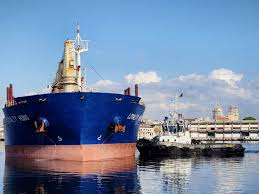
Fuel tankers from Gulf suppliers arriving in Mombasa under the G-to-G framework.
The Profit Engine Behind the System
Unlike the old competitive OTS model, the G-to-G framework creates multiple layered profit opportunities for approved importers. Industry estimates place importer margins at KES 3–7 per litre, with additional gains from credit terms (KES 1–2 per litre) and favourable foreign-exchange timing (KES 1–3 per litre). The combined effect produces total margins of KES 5–12 per litre.
- Daily national impact: KES 25 million to KES 60 million
- Monthly national impact: Up to KES 1.8 billion
These earnings flow to a small circle of selected firms rather than being competed away in an open market. The result is a highly concentrated revenue stream that critics describe as a hidden subsidy for politically connected businesses.
Enter the Political Challenge: Ndindi Nyoro’s Critique
Former National Assembly Budget Committee chair Ndindi Nyoro has emerged as the most vocal opponent of the current system. In public statements and parliamentary interventions, Nyoro has labelled the G-to-G fuel arrangement a “scam where those in power are cashing out at the expense of the mwananchi.”
His three core arguments cut to the heart of public frustration:
- Profit concentration at the top — Benefits flow to a few politically exposed companies while ordinary Kenyans shoulder higher pump prices and elevated cost of living.
- Regional price anomaly — Kenya’s fuel prices remain stubbornly higher than those in Uganda and Tanzania despite the supposed efficiency of the G-to-G model.
- Lack of transparency — Questions remain about company selection criteria, margin calculations, and ultimate beneficiaries.

Ndindi Nyoro has publicly called the G-to-G fuel deal a “scam” that benefits the politically connected
G-to-G vs Regional Reality
While Kenya’s higher taxes and levies explain part of the price gap with neighbours, even adjusted comparisons reveal elevated structural margins under the G-to-G system. The policy trade-off is clear: guaranteed supply and forex relief versus open competition and potentially lower consumer prices.
What This Means for the Mwananchi
For the ordinary Kenyan, the effects are immediate and tangible. Higher fuel costs ripple through transport fares, food distribution, and manufacturing. Matatu operators pass on every shilling increase, while small businesses absorb elevated logistics expenses that ultimately land on the consumer.
The system has delivered undeniable macro benefits — stable supply and reduced dollar pressure — yet the micro burden falls heaviest on low- and middle-income households already strained by inflation.

Matatus and daily commuters feel the direct impact of higher fuel prices on transport fares in kenya
The Core Policy Dilemma
Kenya faces a genuine trade-off between stability and competition:
- Option A (Current G-to-G): Predictable supply, controlled forex risk, higher margins for a few.
- Option B (Return to OTS): Lower margins, broader market access, greater volatility risk.
The question is no longer whether the system works on paper — it clearly stabilised supply. The real debate is whether the country is paying too high a price in fairness and economic equity.
Final Analysis
The Kenya G-to-G fuel deal is far more than an energy policy; it functions as a powerful redistribution mechanism. It successfully resolved an immediate macroeconomic crisis but simultaneously created structural concentration of profit and influence. As Ndindi Nyoro and others argue, the arrangement may have quietly shifted from crisis response to revenue channel for the politically connected.
The untold truth is that stability has come with hidden costs — costs ultimately borne by the mwananchi through higher prices, reduced competition, and growing public distrust.
Conclusion
Kenya’s G-to-G fuel deal solved a real and pressing problem, yet it has also introduced new questions about equity, transparency, and long-term economic fairness. As the system matures, the central challenge remains: can the country secure stable fuel supply without entrenching elite capture?
The answer will define not only energy policy but the broader relationship between government, business, and the ordinary Kenyan citizen.
What do you think? Is the G-to-G model delivering value for the mwananchi or has it gone too far? Share your views in the comments below and help shape the national conversation.
Frequently Asked Questions (FAQ)
1. What exactly is Kenya’s G-to-G fuel deal?
It is a government-to-government import model introduced in 2023 under which Kenya sources fuel directly from Gulf state oil companies on credit terms instead of through open competitive tenders.
2. Why did Kenya switch from the Open Tender System to G-to-G?
The shift was driven by acute dollar shortages and the need to guarantee fuel supply while reducing immediate pressure on foreign reserves during the 2022-2023 economic turbulence.
3. How much profit do approved importers make under the G-to-G system?
Combined margins are estimated at KES 5–12 per litre, generating KES 25M–60M daily and up to KES 1.8 billion monthly across national consumption volumes.
4. What is Ndindi Nyoro’s main criticism of the G-to-G fuel deal?
He describes it as a “scam” that allows politically connected firms to extract excessive profits while ordinary Kenyans pay higher prices than regional neighbours.
5. Are fuel prices in Kenya genuinely higher than in Uganda and Tanzania?
Yes. Even after accounting for differing tax regimes, Kenya’s pump prices remain elevated, fuelling Nyoro’s argument that the G-to-G model has not delivered expected consumer benefits.
6. What is the future of the G-to-G fuel system in Kenya?
The policy remains in place but faces growing parliamentary and public scrutiny. Any return to competitive tendering would require significant political will and could reintroduce forex volatility.