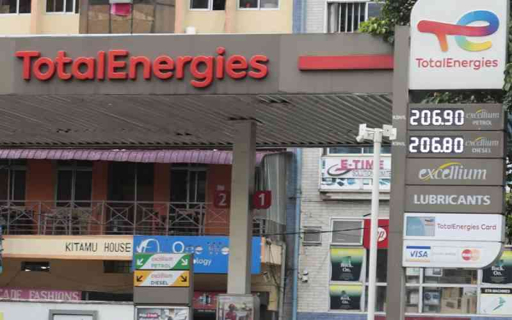
Did you know that diesel prices in Kenya jumped by a record KSh 40.30 in a single review cycle — the largest single-month increase in over two decades? The Energy and Petroleum Regulatory Authority (EPRA) announced the hike on April 14, 2026, effective from April 15 to May 14, pushing super petrol to KSh 206.97 per litre and diesel to KSh 206.84 per litre in Nairobi.
The untold truth is that this surge comes despite the government’s recent reduction of VAT on fuel. Kenyans are now rallying online under hashtags like #RejectFuelPrices and #RejectSelfishness, calling for a total nationwide shutdown on Tuesday, April 21, with planned occupations of key sites in Nairobi including Parliament and the Energy Ministry.
What Triggered the Record Kenya Fuel Prices Hike?
EPRA cited surging global landed costs as the primary reason. Key factors include:
- Escalating tensions in the Middle East disrupting supply routes and increasing insurance and freight costs
- Brent crude oil prices climbing above $100 per barrel, with some reports noting peaks near $120–$128 amid geopolitical conflicts
- A dramatic rise in imported petroleum product costs — up 41.5% for petrol and a staggering 68.7% for diesel
Even with government interventions such as lowering VAT from 16% to 13% (and further discussions of cuts to 8%), the landed cost increases overwhelmed these measures, resulting in the sharp retail price adjustments.

Fuel price boards across Kenya reflecting the new record highs for petrol and diesel in April 2026
Public Anger and Calls for Nationwide Shutdown
The price hike has fueled intense online mobilization. Flyers and viral posts urge Kenyans to occupy streets in Nairobi, demonstrate at Parliament, and pressure the Energy Ministry. Opposition figures, including Third Way Alliance leader Ekuru Aukot, have openly supported the protests, with some calling for mass action and even using phrases like “Wacha tukunywe teargas.”
Gen Z activists and ordinary citizens are drawing painful comparisons with neighboring countries. Fuel is reportedly significantly cheaper in Ethiopia, Uganda, Tanzania, and Rwanda, intensifying frustration over Kenya’s position as East Africa’s largest economy yet facing some of the highest pump prices.
The secret behind the rapid organization lies in social media platforms where Kenyans are sharing real-time price comparisons and personal stories of how the increases will affect transport, food prices, and daily commuting.
President Ruto’s Response to the Crisis
President William Ruto has dismissed the planned protests as ineffective, arguing that demonstrations cannot change global oil market forces. In public addresses, he urged Kenyans to “use our senses” and focus on practical solutions rather than street action.
The government has pointed to measures already taken, including VAT reductions and petroleum development levy adjustments, claiming these prevented even steeper rises. However, critics argue the relief has been insufficient given the scale of the global shock.
Police have also issued warnings against unpermitted demonstrations, particularly in Nairobi’s central business district, raising concerns about potential confrontations if the April 21 shutdown proceeds.
Regional Comparisons and Broader Economic Impact
The anger is amplified by stark regional differences. While Kenya battles record pump prices, motorists in neighboring East African nations continue to enjoy relatively lower costs. This disparity has sparked debates about import strategies, taxation policies, and the effectiveness of Kenya’s Government-to-Government (G-to-G) petroleum deals.
Beyond transport, the ripple effects threaten to push up the prices of essentials like food, goods, and services. Businesses, especially in logistics and manufacturing, warn of reduced competitiveness and possible job impacts if the high costs persist.
Surprising fact: This is one of the largest single-cycle diesel price jumps in Kenya’s recent regulatory history, highlighting the country’s heavy reliance on imported refined products amid volatile global markets.
What Happens Next? Potential Outcomes of the Planned Shutdown
As April 21 approaches, tension is building. A successful nationwide shutdown could disrupt transport, businesses, and daily life across major cities. Conversely, heavy police presence or low turnout might limit its impact.
The government continues to explore further relief measures, while opposition groups demand cancellation of certain levies and a review of fuel import frameworks. The coming days will reveal whether dialogue or confrontation defines Kenya’s response to this cost-of-living pressure.
For individuals facing complex personal circumstances amid economic hardship, understanding broader support systems remains important. In some cases, exploring international pathways or legal options can provide additional perspectives on long-term stability.
A Defining Moment for Kenya’s Cost-of-Living Crisis
The record **Kenya fuel prices** hike of April 2026 has exposed deep vulnerabilities in the country’s energy sector and economy. While global factors play a major role, the domestic fallout has ignited a powerful public outcry that could reshape political and economic conversations in the weeks ahead.
Whether through protests, policy adjustments, or sustained dialogue, the coming days will test Kenya’s resilience. Stay informed, prioritize safety if participating in any action, and watch for official updates from EPRA and the government.
CTA: Subscribe to our newsletter for continuing coverage of economic developments, cost-of-living issues, and international opportunities affecting Kenyans and the diaspora.
Frequently Asked Questions (FAQ)
1. What are the new Kenya fuel prices after the April 2026 EPRA review?
Super petrol now retails at approximately KSh 206.97 per litre (up KSh 28.69), while diesel is at KSh 206.84 per litre (up KSh 40.30) in Nairobi. Prices vary slightly by location.
2. Why did Kenya fuel prices increase so sharply in April 2026?
The main drivers are surging global oil costs due to Middle East tensions, higher Brent crude prices above $100 per barrel, and increased landed import costs for refined petroleum products.
3. When is the planned nationwide shutdown protest in Kenya?
Organizers are calling for a total shutdown and demonstrations on Tuesday, April 21, 2026, targeting key locations in Nairobi and other areas.
4. How has President Ruto responded to the fuel price protests?
President Ruto has dismissed protests as ineffective against global market forces and urged Kenyans to focus on practical, long-term solutions instead of street demonstrations.
5. Are fuel prices cheaper in neighboring East African countries?
Yes — many Kenyans have highlighted significantly lower prices in Ethiopia, Uganda, Tanzania, and Rwanda, adding to public frustration over the domestic hike.
6. What relief measures has the Kenyan government announced?
The government reduced VAT on fuel and is exploring further interventions, including adjustments to the petroleum development levy, though these have not fully offset the global-driven increases.
Last updated: April 17, 2026. Information based on official EPRA announcements and public reports. Always verify the latest prices directly from authorized sources.