



Did You Know? Africa is producing a new generation of self-made millionaires faster than ever before, many of them under the age of 35.
The rising young millionaires in Africa under 35 are not just building wealth—they are transforming industries through technology, innovation, and bold entrepreneurship.
Why Young Millionaires Are Rising Fast in Africa
First, Africa has a rapidly growing youth population. As a result, innovation is accelerating across sectors like fintech, e-commerce, and digital media.
Additionally, increased access to mobile technology and internet connectivity has lowered the barrier to entry for startups.
Revealed Insight: Many young millionaires are self-taught and leverage digital platforms to scale quickly.
Top Rising Young Millionaires Under 35 (2026)
1. Iyinoluwa Aboyeji (Nigeria)

Net Worth: $100+ million
Co-founder of Flutterwave and Andela, Aboyeji is a major force in Africa’s fintech ecosystem.
- Industry: Fintech
- Impact: Digital payments across Africa
2. Sibongile Sambo (South Africa)

Net Worth: $20+ million
Founder of SRS Aviation, she broke barriers as one of Africa’s first female aviation entrepreneurs.
- Industry: Aviation
- Impact: Women in male-dominated sectors
3. Mark Essien (Nigeria)

Net Worth: $50+ million
Founder of Hotels.ng, one of Africa’s leading hotel booking platforms.
- Industry: E-commerce/Travel
- Impact: Digital tourism services

Fintech is one of the fastest-growing sectors for young millionaires
4. Adetayo Bamiduro (Nigeria)
Net Worth: $30+ million
Co-founder of MAX.ng, a mobility startup revolutionizing transportation in Africa.
- Industry: Mobility/Logistics
- Impact: Smart transportation solutions
5. Rebecca Enonchong (Cameroon)

Net Worth: $80+ million
A tech entrepreneur and founder of AppsTech, she has been instrumental in Africa’s digital growth.
- Industry: Technology
- Impact: Enterprise solutions across Africa
6. Tunde Kehinde (Nigeria

Net Worth: $40+ million
Co-founder of Jumia Nigeria, a pioneer in African e-commerce.
- Industry: E-commerce
- Impact: Online retail expansion

Networking and partnerships are key to startup success
7. Fatima Zahra Mansouri (Morocco)

Net Worth: $25+ million
A rising figure in real estate and urban development.
- Industry: Real estate
- Impact: Infrastructure development
8. Kelvin Doe (Sierra Leone)
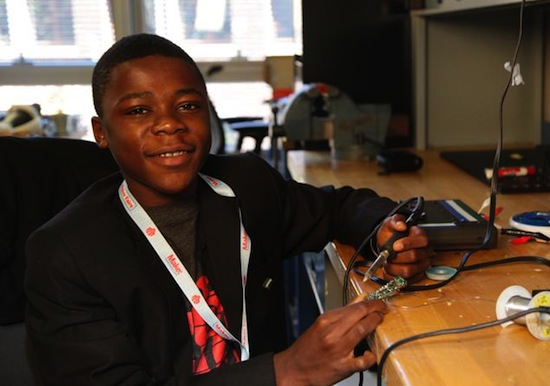
Net Worth: $10+ million
Known for his early inventions, Kelvin Doe represents Africa’s innovative youth.
- Industry: Engineering/Innovation
- Impact: Youth tech inspiration
Industries Creating Young Wealth
The most common sectors among young millionaires include:
- Fintech and digital payments
- E-commerce platforms
- Technology startups
- Logistics and mobility
- Media and entertainment
Moreover, these industries are scalable, allowing rapid growth and expansion.
Secrets Behind Their Success
- Leveraging technology for scale
- Building global partnerships
- Solving real local problems
- Adapting quickly to market changes
Untold Truth: Many of these entrepreneurs failed multiple times before achieving success.
Challenges Facing Young Millionaires
Despite their achievements, challenges remain:
- Limited access to funding
- Regulatory barriers
- Infrastructure gaps
- Market competition
However, resilience and innovation continue to drive their growth.
The rising young millionaires in Africa under 35 are redefining success and opportunity across the continent.
Final Insight: Africa’s future economy is being shaped by bold, tech-driven youth who are building global businesses from local ideas.
Stay inspired: Follow more success stories and business insights from across Africa.
Frequently Asked Questions
1. Who are the youngest millionaires in Africa?
Many are tech entrepreneurs and startup founders under 35.
2. Which industries create young wealth?
Fintech, e-commerce, and technology dominate.
3. Are these entrepreneurs self-made?
Yes, most built their wealth independently.
4. What challenges do they face?
Funding, regulation, and infrastructure issues.
5. Why is this trend growing?
Digital access and innovation opportunities are increasing.
6. What can others learn from them?
Innovation, resilience, and problem-solving are key.