Did You Know? Women are rapidly reshaping the economic landscape of East Africa, building billion-dollar businesses and leading major industries.
The top 10 richest women in East Africa 2026 are not only wealthy—they are powerful decision-makers influencing banking, manufacturing, energy, and telecommunications across the region.
1. Mama Ngina Kenyatta (Kenya)
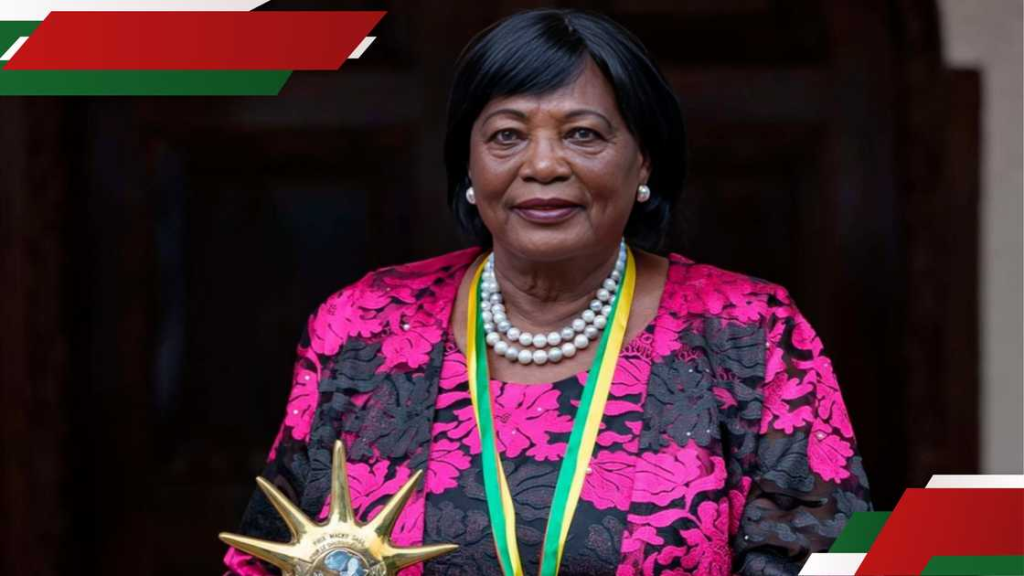
Estimated Net Worth: $1.2+ billion
Mama Ngina Kenyatta remains one of the wealthiest women in East Africa. Her wealth spans banking, real estate, and agriculture.
- Key Sectors: Banking, land, hospitality
- Influence: Political and economic networks
2. Tabitha Karanja (Kenya)

Estimated Net Worth: $300+ million
Founder of Keroche Breweries, Tabitha Karanja has built a major manufacturing empire in Kenya.
- Industry: Beverage manufacturing
- Power Network: Industrial and political influence
3. Jane Wanjiru Michuki (Kenya)

Estimated Net Worth: $200+ million
A top corporate lawyer and investor, Jane Michuki holds significant shares in major companies including NCBA Group.
- Industry: Legal, investments
- Influence: Corporate governance
4. Amina Moghe Hersi (Uganda/Kenya)

Estimated Net Worth: $150+ million
Amina Moghe Hersi is a leading investor in hospitality and real estate across East Africa.
- Industry: Real estate, hospitality
- Influence: Regional development projects
5. Zuhura Othman Soud (Tanzania)

Estimated Net Worth: $100+ million
Popularly known as Zari Hassan, she is a businesswoman with investments in education and entertainment.
- Industry: Education, media
- Influence: Youth and lifestyle markets
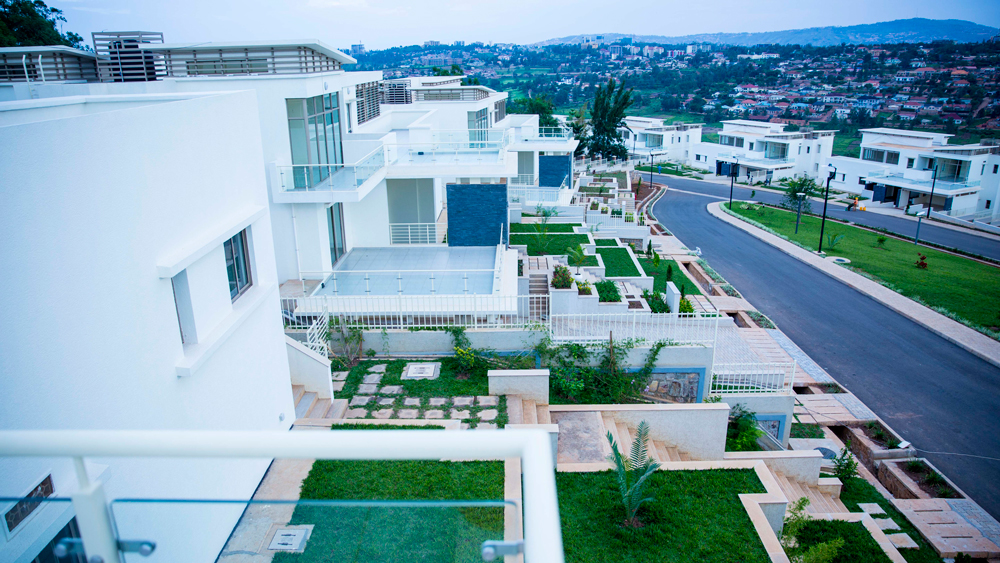
Real estate remains a major source of wealth for female entrepreneurs
6. Margaret Kenyatta (Kenya)

Estimated Net Worth: $100+ million
Margaret Kenyatta has influence through family wealth, philanthropy, and business interests.
- Industry: Investments, philanthropy
- Influence: Social impact initiatives
7. Esther Muchemi (Kenya)

Estimated Net Worth: $80+ million
Founder of Samchi Group, Esther Muchemi has built a strong business presence in telecom distribution.
- Industry: Telecommunications
- Influence: SME sector growth
8. Sylvia Mulinge (Kenya)

Estimated Net Worth: $50+ million
A leading corporate executive, Sylvia Mulinge has held top roles in telecom giants.
- Industry: Telecommunications
- Influence: Corporate leadership
9. Angelina Ngalula (Tanzania)

Estimated Net Worth: $40+ million
A successful entrepreneur in agriculture and trade, Angelina Ngalula is expanding regional markets.
- Industry: Agriculture, trade
- Influence: Export markets
10. Jyoti Mukherjee (Uganda)

Estimated Net Worth: $30+ million
Jyoti Mukherjee is a key player in manufacturing and industrial development in Uganda.
- Industry: Manufacturing
- Influence: Industrial sector
Key Industries Driving Women’s Wealth
Across East Africa, women are building wealth in:
- Banking and finance
- Manufacturing
- Telecommunications
- Real estate
- Agriculture
Revealed Insight: Diversification is the biggest strategy behind their success.
Challenges Women Face
Despite their success, these women face:
- Limited access to capital
- Gender bias in leadership
- Regulatory hurdles
However, they continue to break barriers and expand their influence.
The top 10 richest women in East Africa 2026 are redefining wealth and leadership. Their success stories inspire a new generation of entrepreneurs across the continent.
Final Takeaway: These women prove that economic power in Africa is increasingly diverse, dynamic, and female-driven.
Stay updated: Follow more business and wealth insights across Africa.
Frequently Asked Questions
1. Who is the richest woman in East Africa in 2026?
Mama Ngina Kenyatta is widely considered the richest.
2. Which country has the most wealthy women?
Kenya leads in the number of high-net-worth women.
3. What industries dominate women’s wealth?
Banking, real estate, telecom, and manufacturing.
4. Are women rising in African business?
Yes, female entrepreneurs are growing rapidly.
5. What challenges do they face?
Funding access and gender inequality.
6. Why is this important?
It highlights economic growth and gender inclusion.