



NAIROBI, Kenya — Kenya’s political landscape is already shifting ahead of the 2027 General Election, and analysts increasingly believe a possible alliance involving Edwin Sifuna, Kalonzo Musyoka, and Rigathi Gachagua could emerge as one of the biggest threats to President William Ruto’s re-election ambitions.
Although no official coalition has been announced, political discussions surrounding a potential Sifuna Kalonzo Gachagua alliance 2027 continue gaining traction across political circles, especially following growing youth activism, regional realignments, and internal tensions within Kenya Kwanza.
Supporters of the idea argue that such an alliance would combine youth energy, regional voting strength, and experienced political mobilization into a formidable opposition force capable of reshaping Kenya’s political direction.

Political analysts believe opposition realignments could define Kenya’s 2027 election race
Why Edwin Sifuna Is Emerging as a Key Political Figure
ODM Secretary-General Edwin Sifuna has increasingly positioned himself as one of the most vocal opposition leaders in Kenya.
His growing popularity among Gen Z and urban voters has strengthened his visibility, particularly after the nationwide youth-led protests linked to the 2024 Finance Bill demonstrations.
Analysts say Sifuna’s communication style, social media influence, and anti-establishment messaging resonate strongly with younger voters frustrated by unemployment, high living costs, and political dissatisfaction.
Did You Know? Kenya’s youth population is expected to remain one of the largest and most influential voting blocs heading into the 2027 elections.
In Nairobi especially, Sifuna continues attracting strong political attention due to his aggressive opposition positioning and appeal among first-time voters.
Kalonzo Musyoka’s Strategic Importance
Wiper leader Kalonzo Musyoka remains one of Kenya’s most experienced opposition politicians.
Despite several unsuccessful presidential bids and coalition negotiations in previous elections, Kalonzo still commands considerable influence in the Ukambani region.
Political observers argue that Kalonzo brings:
- Regional voting stability
- Coalition-building experience
- Institutional political networks
- Moderate leadership appeal
Additionally, Kalonzo is often viewed as a compromise figure capable of uniting different opposition factions.
That experience could become valuable in any broad anti-Ruto coalition seeking national reach.
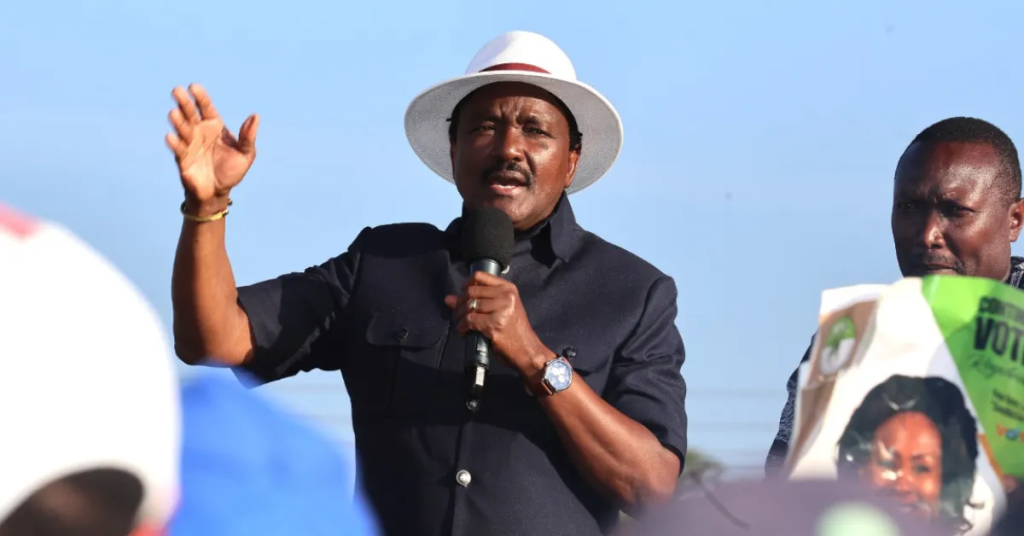
Kalonzo Musyoka remains influential in Kenya’s opposition politics
Why Rigathi Gachagua Changes the Equation
Many analysts believe the most politically significant figure in the proposed equation is former Deputy President Rigathi Gachagua.
Despite his ongoing legal and political battles, Gachagua continues maintaining strong grassroots influence within the Mt. Kenya region.
Mt. Kenya remains one of Kenya’s largest and most decisive voting blocs.
Historically, presidential candidates who fail to perform strongly in the region struggle to secure victory nationally.
Consequently, any indication of Gachagua aligning with opposition forces would significantly complicate President Ruto’s re-election strategy.
Political observers argue that Gachagua’s strengths include:
- Grassroots mobilization skills
- Strong Mt. Kenya political networks
- Influence among disgruntled Kenya Kwanza supporters
- Ability to shape regional political narratives
Furthermore, sections of Mt. Kenya voters continue expressing dissatisfaction following Gachagua’s impeachment battles and claims of political marginalization.
The Growing Anti-Ruto Challenge
President William Ruto still maintains strong incumbency advantages, national structures, and significant political machinery.
However, analysts warn that opposition unity could dramatically alter the political equation.
A combined opposition structure involving Sifuna, Kalonzo, and Gachagua could potentially weaken Ruto in several strategic regions simultaneously.
Those risks include:
- Loss of youth support
- Reduced influence in Nairobi
- Stronger opposition presence in Ukambani
- Possible erosion of Mt. Kenya support
Hidden Truth: Kenyan elections are often decided by coalition arithmetic rather than individual popularity alone.
Regional alliances are expected to shape the next presidential election
Why Analysts Compare It to the 2002 NARC Wave
Some political commentators now compare the potential alliance to the historic 2002 opposition coalition that defeated KANU.
That election succeeded largely because opposition leaders united across regional, ethnic, and generational lines.
Similarly, a modern coalition combining:
- Youth and urban voters through Sifuna
- Eastern Kenya through Kalonzo
- Mt. Kenya through Gachagua
could create broad national momentum ahead of 2027.
Analysts believe such a coalition would represent both generational change and regional dissatisfaction with the current administration.
Challenges Facing the Opposition
Despite growing speculation, forming a successful opposition coalition remains highly complex.
Several major challenges still exist:
- Leadership competition
- Coalition negotiations
- Regional political interests
- Resource mobilization
- Legal and political uncertainty surrounding Gachagua
Additionally, opposition parties in Kenya have historically struggled to maintain unity during election periods.
Therefore, analysts caution that early political excitement does not always translate into electoral victory.
What Happens Next?
Although 2027 remains several years away, political realignments are already accelerating across Kenya.
Opposition figures continue holding consultations, building regional influence, and positioning themselves ahead of the next campaign cycle.
At the same time, President Ruto’s allies are expected to intensify efforts to retain support in key regions, especially Mt. Kenya and Nairobi.
For now, the possibility of a Sifuna Kalonzo Gachagua alliance 2027 remains speculative.
Nevertheless, analysts agree that if such a coalition formally emerges, it could significantly reshape Kenya’s political landscape.
The growing discussion surrounding a possible alliance between Edwin Sifuna, Kalonzo Musyoka, and Rigathi Gachagua reflects Kenya’s rapidly evolving political environment ahead of 2027.
Supporters believe the combination of youth influence, regional strength, and experienced mobilization could create one of the strongest opposition coalitions in recent years.
Meanwhile, critics argue that coalition politics alone may not guarantee victory against an incumbent administration with strong national structures.
What remains clear is that Kenya’s political ground is already shifting — and the coming years could produce major realignments before voters return to the ballot box.
Frequently Asked Questions
1. Has the Sifuna-Kalonzo-Gachagua alliance been officially formed?
No. Current discussions remain political analysis and speculation.
2. Why is Rigathi Gachagua considered influential?
He continues maintaining strong grassroots support within the Mt. Kenya region.
3. Why is Edwin Sifuna attracting attention?
Sifuna has become popular among Gen Z and urban voters through strong opposition messaging.
4. What role does Kalonzo Musyoka play?
Kalonzo provides regional support, political experience, and coalition-building influence.
5. Why are analysts comparing this to 2002?
Because it could resemble the broad opposition unity that defeated KANU in 2002.
6. Can opposition unity defeat an incumbent president?
Analysts say united coalitions can significantly alter Kenya’s electoral dynamics.