The Kenya Finance Bill 2026 is being presented by the government as a moderate and strategic tax reform package aimed at increasing revenue without directly overburdening citizens. However, many economists, business owners, and ordinary Kenyans argue that the bill contains several “hidden taxes” that could quietly increase the cost of living.
Unlike the withdrawn Finance Bill 2024, which openly proposed controversial taxes that sparked nationwide Gen Z-led protests, the 2026 bill appears more careful in its language and structure. But critics say the financial burden on wananchi may still be significant — only less obvious.
What Are Hidden Taxes?
Hidden taxes are indirect costs or financial burdens introduced through policy changes, levies, excise duties, compliance fees, or pricing adjustments that consumers may not immediately recognize as taxes.
Unlike PAYE or direct income tax deductions, hidden taxes often appear through:
- Higher service charges
- Increased transaction costs
- Rent increases
- Expensive imports
- Digital transfer fees
- Business compliance expenses passed to consumers
In many cases, ordinary citizens only feel the impact when prices rise gradually across multiple sectors.
Comparison Between the 2024 and 2026 Finance Bills
The Withdrawn Finance Bill 2024
The Finance Bill 2024 triggered massive protests because many tax proposals were direct and highly visible. Kenyans clearly understood what they would lose financially.
Some controversial proposals included:
- Motor vehicle tax proposals
- Bread tax concerns
- Eco levy expansions
- Increased fuel-related costs
- Digital content taxation
- Expanded housing levy concerns
The backlash was immediate because wananchi could directly calculate the impact on their daily lives.
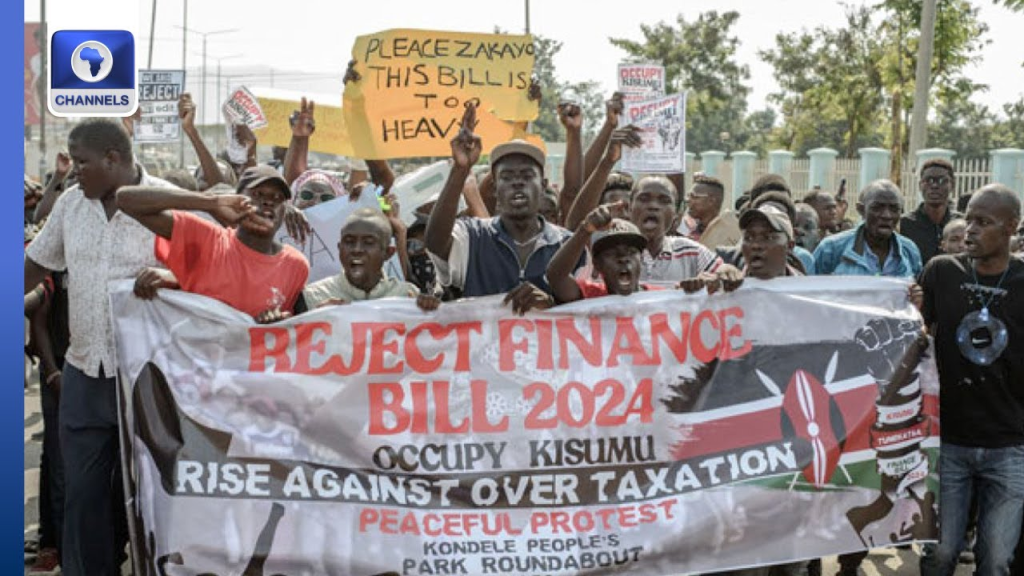
Public anger over the Finance Bill 2024 led to nationwide demonstrations and political pressure.
The Finance Bill 2026 Strategy
The Kenya Finance Bill 2026 takes a different approach. Instead of aggressively introducing highly visible taxes, the government appears focused on:
- Broadening the tax base
- Increasing compliance requirements
- Strengthening KRA surveillance
- Expanding excise structures indirectly
- Taxing digital economic activity
Critics argue that while the wording sounds softer, the long-term financial effect may still hurt ordinary Kenyans.
Hidden Tax #1: Mobile Money and Digital Transaction Costs
Kenya’s economy heavily depends on mobile money platforms such as M-Pesa. Millions of Kenyans use digital payments daily for:
- Transport
- Shopping
- Business payments
- Rent
- School fees
While the bill may not openly introduce a “mobile money tax,” increased excise duties and compliance requirements on digital financial systems may eventually increase transaction charges.
For example, a mama mboga receiving payments through mobile money several times a day could lose more income gradually through higher transaction fees.
Hidden Tax #2: Increased Rental Income Tax
The proposal to increase residential rental income tax from 7.5% to 10% appears targeted at landlords. However, tenants are likely to feel the real impact.
Landlords rarely absorb additional tax burdens themselves. Instead, they often transfer the extra cost to renters through:
- Higher monthly rent
- Additional service charges
- Reduced maintenance quality
This means urban households may face higher housing expenses even if they never directly pay tax to KRA.
Hidden Tax #3: Mitumba and Import Costs
The deemed profit tax on imported second-hand clothes may quietly increase prices in local markets.
Many low-income households rely on mitumba because new clothes remain unaffordable. If importers and traders face higher tax obligations, those costs will likely be passed to consumers.
The result could be:
- More expensive clothing
- Reduced purchasing power
- Lower sales for small traders
Hidden Tax #4: Compliance Costs for SMEs
Small businesses may face increased accounting, reporting, and compliance obligations under expanded KRA enforcement systems.
Although these are technically not taxes, businesses often compensate by increasing prices for goods and services.
This creates an indirect financial burden on consumers across sectors such as:
- Retail shops
- Transport services
- Food businesses
- Online stores
Hidden Tax #5: Smartphone and Digital Device Costs
Some proposals affecting digital imports and excise duties may increase the price of smartphones, electronics, and communication devices.
In modern Kenya, smartphones are no longer luxury items. They are essential tools for:
- Online work
- Education
- Banking
- Communication
- Business operations
Higher costs could reduce digital access for low-income earners and students.
Why Kenyans Are More Sensitive in 2026
The political environment surrounding the Finance Bill 2026 is heavily shaped by the events of 2024.
The Gen Z-led protests changed public perception around taxation and government accountability. Many Kenyans now analyze fiscal policies more critically and question whether tax increases are justified amid ongoing corruption allegations and public spending concerns.
As a result, even indirect taxes now generate strong emotional and political reactions.
The Government’s Position
The government insists that revenue expansion is necessary to:
- Reduce external borrowing
- Service national debt
- Fund infrastructure projects
- Support healthcare and education
- Stabilize the economy
According to officials, widening the tax base ensures that more sectors contribute fairly to national development.
Read more from the Kenya National Treasury.
The Real Fear Among Ordinary Kenyans
For many wananchi, the biggest concern is cumulative economic pressure.
Even small increases across multiple sectors can create serious financial strain when combined with:
- High food prices
- Fuel costs
- School fees
- Rent
- Healthcare expenses
- Unemployment
Critics argue that the Finance Bill 2026 may avoid dramatic headlines, but its indirect effects could still reduce household purchasing power significantly.
Frequently Asked Questions
Why are hidden taxes controversial?
Hidden taxes increase living costs indirectly, making it harder for ordinary citizens to notice the real financial impact immediately.
How is the Finance Bill 2026 different from the Finance Bill 2024?
The 2026 bill focuses more on indirect taxation and compliance expansion, while the 2024 bill proposed more direct and visible taxes.
Will mobile money charges increase under the Finance Bill 2026?
Indirectly, yes. Expanded excise duties and compliance costs could eventually raise transaction fees.
Why are Kenyans protesting tax increases?
Many citizens believe taxation is rising while corruption, wastage, and economic hardship remain unresolved.
Who is most affected by hidden taxes?
Low-income households, small businesses, youth entrepreneurs, and informal workers are likely to feel the strongest impact.
The Kenya Finance Bill 2026 represents a more politically cautious approach compared to the withdrawn Finance Bill 2024. Instead of openly aggressive taxation, the government appears to be using indirect mechanisms to increase revenue collection.
However, many of these measures may still increase the financial burden on ordinary Kenyans through hidden costs, higher prices, and expanded compliance pressure.
The real national debate is no longer simply about taxation — it is about trust, accountability, and whether wananchi believe public resources are being managed responsibly.