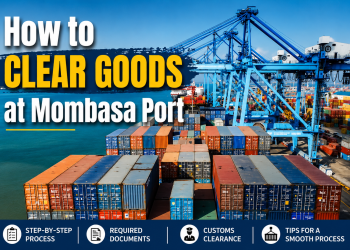
Working with the right shipping agents in Kenya is one of the most important decisions an importer or exporter can make. These agents act as the link between your business, the shipping lines, customs authorities, and port operators, handling everything from documentation to cargo release. Choosing an unqualified or fraudulent agent can result in delayed shipments, financial losses, or even legal complications.
This article explains what shipping agents do, the credentials that distinguish legitimate operators, and a step-by-step process for verifying an agent before you commit to working with them.
What Do Shipping Agents Do?
Shipping agents, sometimes called clearing and forwarding agents, manage the logistics of moving cargo into or out of Kenya. Their responsibilities typically include:
- Preparing and submitting customs declarations
- Coordinating with shipping lines and port authorities
- Advising on tariff classification and duty obligations
- Arranging inland transport, warehousing, and delivery
- Handling documentation for both import and export shipments
Because agents interact directly with the Kenya Revenue Authority (KRA) and the Kenya Ports Authority (KPA), it is essential that they operate legally and transparently. For a broader look at how cargo moves through Kenya’s main port, see our guide to port clearance procedures.
Step 1: Confirm the Agent Is Licensed
Legitimate shipping agents in Kenya must be licensed by KRA as clearing and forwarding agents. Licensing requires the agent to meet minimum capital, bonding, and professional conduct requirements. Before engaging any agent, request their:
- KRA Clearing Agent License number
- Certificate of incorporation (if operating as a company)
- Valid tax compliance certificate
You can verify licensing status directly through KRA’s official channels rather than relying solely on documents presented by the agent, since forged certificates do occur in the industry.
Step 2: Check Membership in Industry Associations
Reputable agents are typically members of recognized industry bodies such as the Kenya International Freight and Warehousing Association (KIFWA). Membership indicates that the agent has met professional standards and is subject to a code of conduct and dispute resolution mechanisms.
Ask for the agent’s KIFWA membership number and confirm it independently. You can compare vetted, association-listed agents through our directory of licensed clearing agents before making a final decision.
Step 3: Verify Physical Presence and Track Record
Legitimate agents operate from a verifiable physical office, usually near Mombasa, Nairobi’s inland container depots, or major border towns. When vetting a prospective agent:
- Visit their office or request a video call to confirm operations
- Ask for references from past clients in your industry
- Check online reviews and business registration records
- Confirm how long they have been operating in the industry
Agents who resist providing verifiable business details or insist on communicating only through informal channels such as personal phone numbers should be treated with caution.
Step 4: Review Their Documentation and Communication Practices
A trustworthy agent will provide clear, itemized quotations covering duties, taxes, port charges, and their own service fees, without vague or bundled figures designed to obscure costs. They should also be able to explain, in plain terms, each stage of the clearance process for your specific cargo type.
Our shipping cost estimator tool can help you cross-check quotations you receive against typical market rates for duties and port charges, making it easier to spot inflated or suspicious pricing.
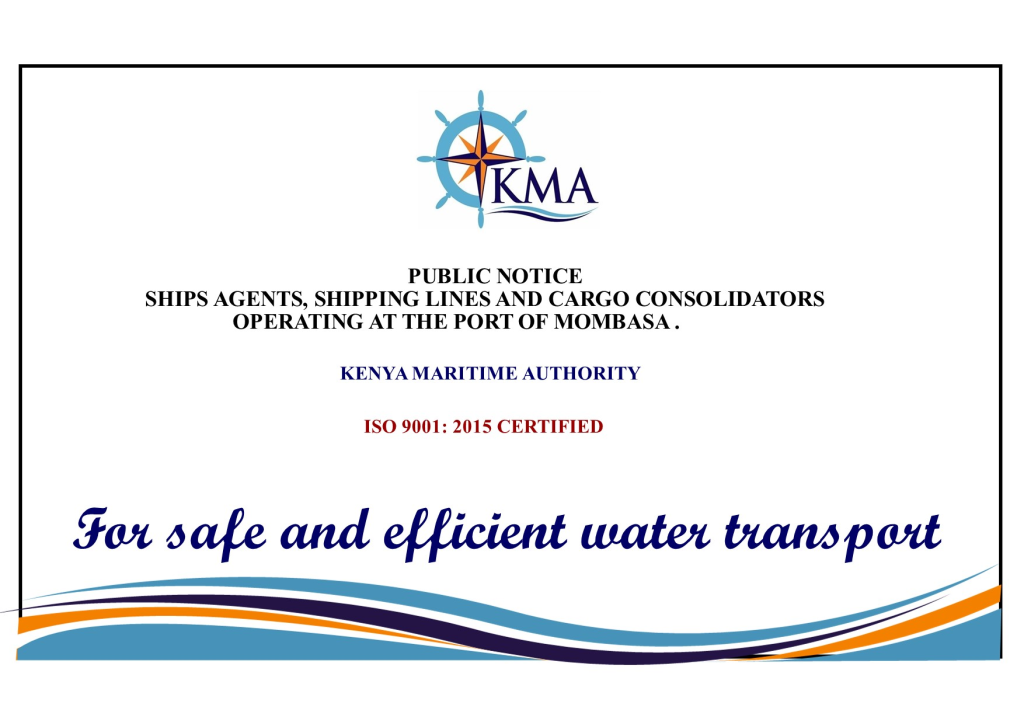
Membership certificates from recognized industry bodies help confirm an agent’s professional standing.
Step 5: Understand How Agents Are Paid
Shipping agents typically charge a service fee separate from government duties and port charges. Be wary of agents who:
- Demand full payment upfront in cash with no formal invoice
- Refuse to provide receipts for duty or tax payments made on your behalf
- Cannot explain the breakdown between their fee and statutory charges
Insisting on formal invoicing and traceable payments protects you if a dispute arises later and provides documentation for your own accounting and audit purposes.
Common Red Flags to Watch For
Unusually Low Fees
Prices significantly below market rate often signal an agent cutting corners, operating without proper licensing, or planning to add hidden charges later.
Pressure Tactics
Agents who rush you into signing agreements or making payments without giving you time to verify their credentials should raise concern.
No Verifiable Business Address
Operating solely through mobile numbers or social media, with no registered office, is a significant warning sign.
Reluctance to Provide References
Established agents should be able and willing to connect you with existing clients who can vouch for their reliability.
Where to Find Reliable Shipping Agents
There are several credible starting points for identifying reputable agents:
- KIFWA’s official membership directory
- Referrals from trade associations or chambers of commerce
- Recommendations from other importers or exporters in your sector
- Freight forwarding directories maintained by shipping lines operating in Kenya
For businesses new to the process, our agent vetting and matching service can help match you with pre-verified agents suited to your cargo type and destination.
According to the United Nations Conference on Trade and Development (UNCTAD), efficient and trustworthy logistics intermediaries are a key factor in reducing trade costs and improving supply chain reliability in developing economies, underscoring why careful agent selection matters beyond individual shipments.
Official and Regulatory Resources
For authoritative information on licensing requirements and regulatory standards, importers should consult the Kenya Revenue Authority website, which outlines clearing agent licensing procedures. The Kenya Ports Authority also provides guidance on registered service providers operating within port facilities. Businesses trading regionally may find additional context through TradeMark Africa, which publishes research on logistics and trade facilitation across East Africa.
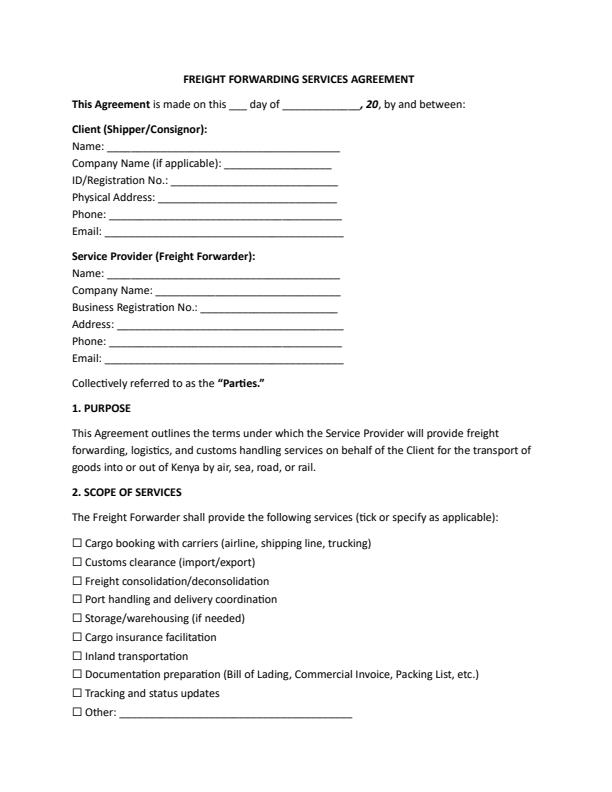
Confirming credentials before finalizing an agreement helps protect importers from fraud and unnecessary delays.
Frequently Asked Questions
How do I verify if a shipping agent in Kenya is licensed?
Request the agent’s KRA clearing agent license number and confirm it through official KRA channels. You should also check whether they are listed as a member of KIFWA, Kenya’s main industry association for freight and clearing agents.
What is the difference between a shipping agent and a clearing agent?
In Kenya, the terms are often used interchangeably, though a clearing agent typically focuses on customs documentation and duty payment, while a shipping agent may also handle broader logistics such as freight booking and inland transport.
Is it safe to pay a shipping agent in cash?
It is safer to use traceable payment methods and insist on