Start a healthcare business in Kenya by first understanding the legal, financial, and operational requirements needed to succeed. Kenya’s healthcare sector is growing rapidly due to population growth, urbanization, and rising demand for quality medical services.
From private clinics and pharmacies to diagnostic centers and telemedicine platforms, the healthcare industry offers strong investment opportunities. However, success requires proper licensing, qualified personnel, and compliance with government regulationsKenya’s healthcare industry has become one of the country’s most promising sectors for entrepreneurs and investors. Increased demand for quality healthcare, growing insurance penetration, and government efforts toward universal health coverage continue to create business opportunities.
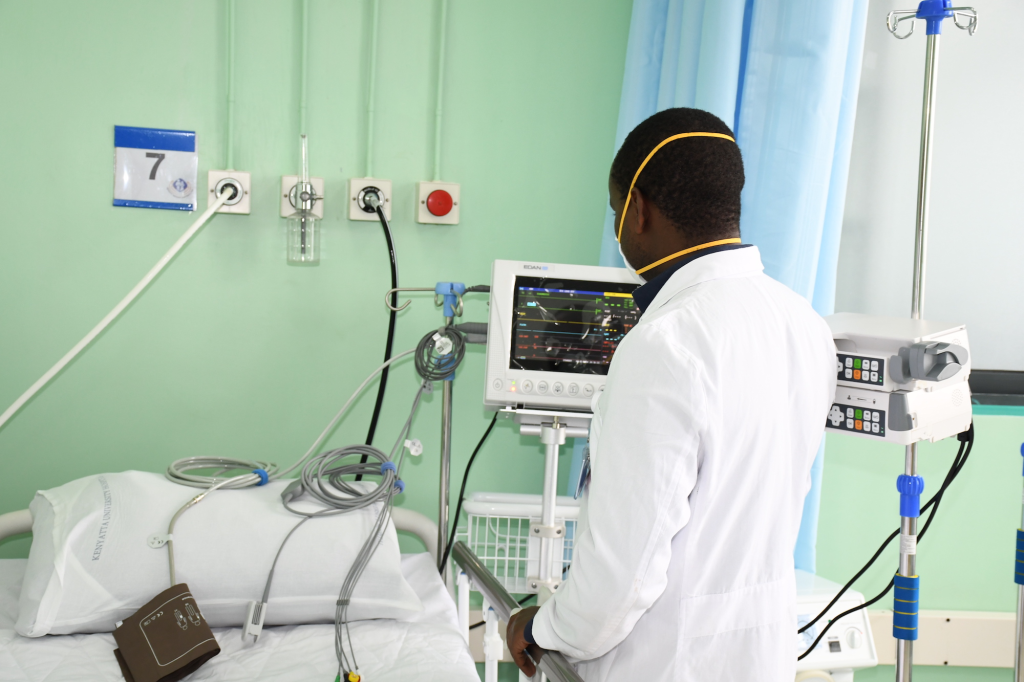
Kenya’s healthcare industry continues to attract entrepreneurs and investors.
Why Invest in Kenya’s Healthcare Industry?
The healthcare sector in Kenya is expanding due to rising healthcare awareness, chronic disease management needs, and demand for private medical services.
- Growing population
- Expanding middle class
- Increasing insurance coverage
- Higher demand for specialized care
- Growth of digital health services
According to the World Health Organization, healthcare access remains a major development priority across many African countries, making healthcare investment increasingly valuable.
Learn more from World Health Organization.
Step 1: Choose Your Healthcare Business Model
The first step is deciding what type of healthcare business you want to operate.
Common Healthcare Businesses in Kenya
- Private clinic
- Pharmacy
- Diagnostic laboratory
- Medical supplies business
- Home nursing services
- Telemedicine platform
- Dental clinic
- Physiotherapy center
Your choice depends on capital, qualifications, market demand, and location.
Step 2: Conduct Market Research
Understanding the market helps reduce risk. Study existing providers, pricing, patient demographics, and service gaps.
Questions to Ask
- What healthcare services are underserved?
- Who are your competitors?
- What is the patient demand?
- What pricing model works best?
Example: In rapidly growing urban areas such as Nairobi outskirts, diagnostic and outpatient services may have strong demand.
Step 3: Prepare a Business Plan
A healthcare business requires substantial planning because operating costs can be high.
Your Business Plan Should Cover
- Startup capital requirements
- Equipment costs
- Licensing fees
- Operational costs
- Revenue projections
- Staffing structure
A strong business plan also improves funding opportunities.
Step 4: Register the Business
Register your business through Kenya’s official government portal.
You may register as:
- Sole proprietorship
- Partnership
- Limited company
Business registration is done online through eCitizen Kenya.

Registering a healthcare business begins with legal incorporation.
Step 5: Obtain Healthcare Licenses
This is one of the most important steps. Healthcare businesses operate under strict regulation.
Licenses You May Need
- County business permit
- Professional practice licenses
- Pharmacy permits
- Radiology approvals
- Laboratory certification
- Public health clearance
Regulatory approval depends on the healthcare service you provide.
Consult Kenya’s Ministry of Health: Ministry of Health Kenya
Step 6: Secure Capital
Healthcare businesses often require large upfront investment due to equipment and facility setup.
Common Funding Sources
- Personal savings
- Bank loans
- Private investors
- Partnership capital
- Development finance institutions
Starting small can reduce risk, especially for first-time entrepreneurs.
Step 7: Find a Suitable Location
Location directly impacts patient access and profitability.
Consider:
- Population density
- Accessibility
- Nearby competition
- Parking availability
- Security
Urban centers often offer higher patient volumes but come with higher rent costs.
Step 8: Hire Qualified Staff
Healthcare businesses depend heavily on skilled professionals.
Staff You May Need
- Doctors
- Nurses
- Lab technicians
- Pharmacists
- Reception staff
- Accountants
Ensure professional certifications remain valid and compliant with regulatory bodies.
Step 9: Invest in Equipment and Technology
Medical equipment quality directly affects patient care and trust.
- Diagnostic machines
- Patient management software
- Electronic medical records
- Pharmacy inventory systems
- Billing systems
Technology improves efficiency and reduces operational errors.
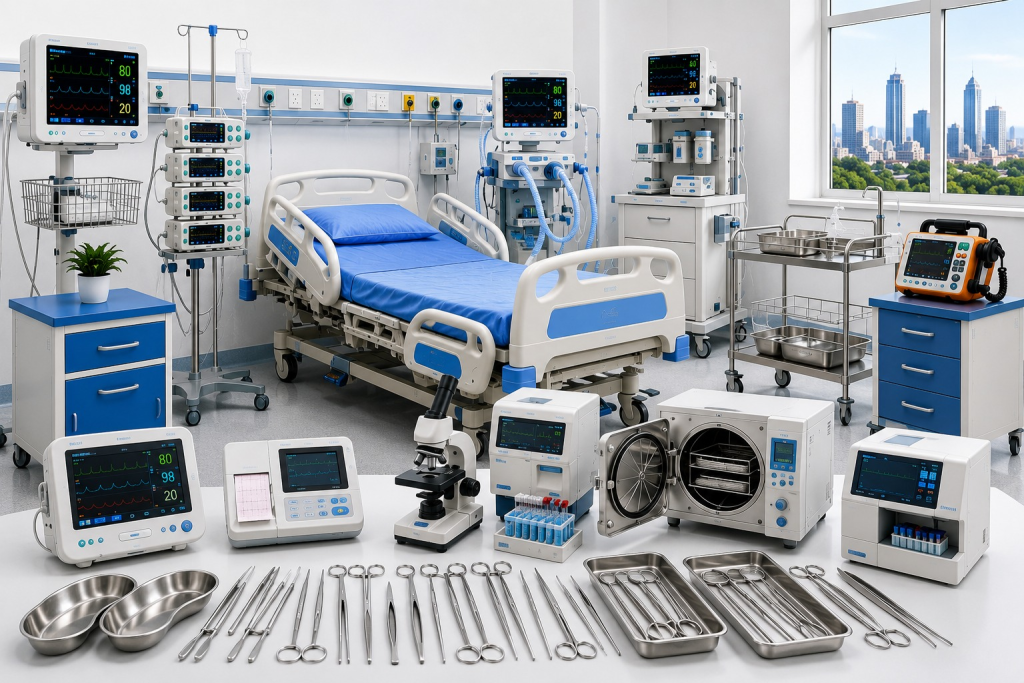
Technology plays a critical role in modern healthcare businesses.
Step 10: Build Brand Trust and Marketing
Patients choose providers they trust.
Effective Marketing Channels
- Google Business Profile
- Website SEO
- Social media marketing
- Referral programs
- Community outreach
Healthcare marketing should focus on trust, expertise, and accessibility.
Real Example: Opening a Small Clinic
Suppose an entrepreneur opens a basic outpatient clinic in Nairobi.
- Rent deposit – KSh 200,000
- Medical equipment – KSh 700,000
- Licenses – KSh 80,000
- Furniture – KSh 120,000
- Initial salaries – KSh 300,000
Total startup cost may exceed KSh 1.4 million depending on scale.
Challenges in Kenya’s Healthcare Industry
- High capital requirements
- Regulatory compliance
- Equipment costs
- Staff shortages
- Insurance reimbursement delays
Understanding these challenges helps build resilience and long-term sustainability.
Tips for Long-Term Success
- Prioritize patient experience
- Maintain regulatory compliance
- Invest in staff training
- Adopt healthcare technology
- Monitor finances carefully
Successful healthcare businesses balance profitability with quality patient care.
Frequently Asked Questions
How much capital do I need to start a healthcare business in Kenya?
Capital varies widely depending on the business model. Small clinics may require over KSh 1 million, while hospitals need much more.
Can foreigners invest in Kenya’s healthcare sector?
Yes. Foreign investors can legally invest, subject to business registration and regulatory approvals.
Do I need medical qualifications to own a healthcare business?
Not always. However, licensed medical professionals are required to deliver regulated healthcare services.
Is the healthcare industry profitable in Kenya?
Yes, especially in underserved regions and specialized services such as diagnostics and telemedicine.
Which healthcare business is easiest to start?
Medical supplies, home care services, and digital health platforms may require lower startup costs than clinics or hospitals.