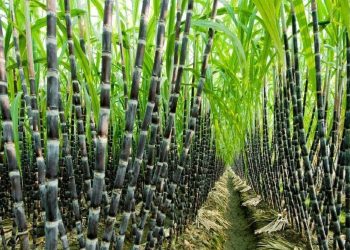



Pumpkin farming is a widely practiced agricultural activity in Kenya, especially in rural areas. It is both a food and cash crop, with the entire plant being edible. From the fleshy fruit and seeds to the leaves, pumpkins offer multiple uses, making them a highly profitable and sustainable crop for farmers.
Varieties of Pumpkin Grown in Kenya
There are several pumpkin varieties grown in Kenya, each with unique characteristics suited for different purposes. Some of the most common varieties include:
- Egyptian Giant
- Israel Giant
- White Giant
- Squash
- Dola
These varieties are chosen for their adaptability to Kenya’s climate and their market demand.
Ecological Requirements for Growing Pumpkins
Pumpkins thrive under specific environmental conditions. The key requirements include:
- Temperature: Pumpkins grow best in a temperature range of 18°C to 27°C.
- Soil: They prefer well-drained, fertile soil with a neutral pH. Pumpkins are also drought-tolerant but are sensitive to waterlogging, which can negatively affect root development.
- Water: While pumpkins are drought-tolerant, they still require adequate water for optimal growth, particularly during fruit formation.
Land Preparation
Proper land preparation is crucial for successful pumpkin farming. The land should be ploughed early enough to create a fine tilth, allowing for good root penetration. Raised mounds are often prepared to improve soil drainage, especially in areas prone to waterlogging.
Planting Pumpkins
Pumpkins are propagated by seeds, and the planting process involves:
- Spacing: Due to their vegetative nature, pumpkins need adequate space. The recommended spacing is 3 meters by 3 meters between each plant.
- Depth: Seeds should be planted about 2 inches deep to prevent birds from eating them.
- Seedling Density: One acre of land can accommodate approximately 2,000 seedlings.
- Irrigation: While pumpkins are drought-tolerant, irrigation can be used to enhance nutrient uptake and promote proper fruit formation.
- Intercropping: Pumpkins can be intercropped with crops like pawpaw, okra, moringa, and sunflower, which allows farmers to maximize land use.
Pests and Diseases
Pumpkins are susceptible to several pests and diseases. Common pests include:
- Aphids
- Fruit flies
- African melon ladybird
Common diseases include:
- Downy mildew
- Powdery mildew
- Bacterial wilt
These pests and diseases can be controlled by using recommended sprays, regular weeding, and practicing proper field hygiene.
Harvesting Pumpkins
Pumpkins are ready for harvesting after about 90 to 120 days, depending on the variety. Signs of maturity include:
- Hardening of the fruit.
- Color change of the fruit from green to its mature color.
Harvesting is done manually by plucking the fruit from the vine. An acre of land can yield up to 5 tons of pumpkins, depending on growing conditions and care.
Market for Pumpkins in Kenya
Pumpkins have a high demand in Kenya and can be sold in various markets:
- Local Markets: You can sell pumpkins directly to consumers in local markets.
- Supermarkets and Groceries: Many supermarkets stock pumpkins for retail sale.
- Institutions: Restaurants, hotels, and institutions that require fresh produce often purchase pumpkins in bulk.
- Export: Some pumpkin produce is also sold to fresh produce export companies.
The average price per kilogram of pumpkin in the local market ranges from Kshs 50 to 80.
Conclusion
Pumpkin farming in Kenya is a profitable agribusiness venture that provides farmers with multiple income sources, from selling the fruits to using the seeds and leaves. With the right climate, land preparation, and pest management practices, farmers can enjoy consistent yields and access to a ready market. Whether for local consumption or export, pumpkin farming offers a valuable opportunity for growth and profitability.